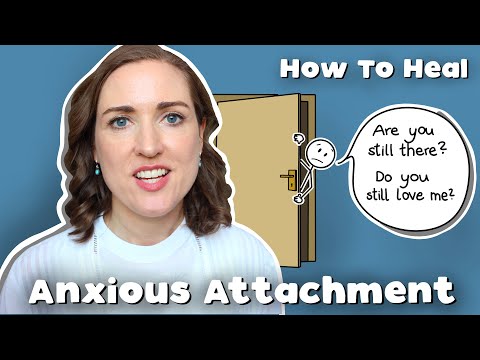
So, let’s chat about relationships for a second. You know those times when you’re super tight with someone, but it feels a bit… off? Like, you love them, but there’s this nagging feeling inside that something isn’t right?
Yeah, that’s the tricky dance of codependency and anxious attachment. It’s like being glued to each other in a way that can feel cozy but also kinda suffocating. You might find yourself worrying about what your partner thinks or how they feel way too often.
Let me tell you, you’re not alone if this hits home. Tons of folks grapple with these feelings. Sometimes it feels like walking on eggshells or like your happiness is tied to another person’s mood. That can be heavy, right?
Let’s break this down together – because understanding it is the first step to finding some real balance in your relationships!
Understanding Codependent Relationships: Signs, Effects, and Healing Strategies
Codependency is one of those terms that gets thrown around a lot, but it’s pretty crucial to understand what it really means. Basically, when you’re in a codependent relationship, you might find yourself overly focused on another person’s needs, often at the expense of your own feelings and desires. It’s like being on a seesaw where one end is always in the air. They just keep needing more from you, and guess what? You’re willing to give it.
So let’s get into the signs. Here are some key indicators of codependent relationships:
- Excessive people-pleasing: You might bend over backward to make someone happy—even if it drains you.
- Difficulty setting boundaries: Saying “no” feels impossible. It’s like you can’t help yourself from taking on others’ problems.
- Low self-esteem: Your worth feels tied to how much you do for others. If they’re not happy, then you feel like a failure.
- Feeling responsible for others’ happiness: You believe their emotional state is your job to manage.
- Your identity gets lost: You might struggle to know what you enjoy or who you are outside of this relationship.
Now, how does this actually affect your life? Well, it can mess with pretty much every aspect of your emotional well-being:
- Anxiety and stress: Constantly worrying about someone else’s feelings can create a huge load on your mental health.
- Emotional exhaustion: You might feel drained after spending time with them because their needs take up so much energy.
- Tension in relationships: Ironically, the more you try to help or please them, the more resentful or frustrated you could become over time.
Let’s think about an example here. Imagine you’re friends with someone who depends on you for everything—like they can’t make decisions without checking in with you first. At first, helping out feels good; maybe they throw compliments at you for always being there! But eventually, that starts weighing heavy on your heart because their happiness seems linked to every little thing you’re doing for them.
So yeah, breaking away from codependency isn’t an overnight process; it takes time and effort. Here are some healing strategies that could help break the cycle:
- Acknowledge your patterns: Just noticing and admitting that you’re in a codependent dynamic is a big step.
- Create small boundaries: Just start by saying «no» to little things at first—then you’ll build confidence!
- Pursue your interests: Rediscover things that make *you* happy outside of this relationship; hobbies or friendships matter!
- Aim for open communication: Talk about your feelings with your partner or friend—honesty goes a long way.
And hey, if it feels tough navigating this alone—you’re definitely not breaking ground here. Seeking support from therapists or support groups can be really beneficial as they provide tools tailored just for situations like yours.
To sum up all this heavy stuff: recognizing codependence is the first step toward healthier relationships where both people thrive instead of one taking center stage all the time! Remember—your happiness is just as important as the next person’s. So go ahead and explore those personal boundaries; you’ll thank yourself later!
Understanding Anxious Attachment Style: Key Traits and Strategies for Healthy Relationships
Anxious attachment style is like that friend who worries way too much about whether people like them. It’s rooted in childhood experiences, usually when caregivers are inconsistent with their love and support. So, if you or someone you know has this, you’re not alone—it’s more common than you think!
Key Traits of Anxious Attachment Style
When someone has an anxious attachment style, you might notice a few things. It’s not just about being clingy; it goes deeper. Here are some signs:
- Need for Reassurance: You might constantly seek validation from your partner. “Do you love me?” becomes a frequent question.
- Fear of Abandonment: There’s always that nagging fear that your partner will leave you, even without any real reason.
- Overthinking: You could find yourself overanalyzing texts or conversations, wondering if there’s hidden meaning behind every word.
- High Sensitivity: Little things can trigger big emotions. Like if your partner seems distant for an hour, it could feel like a crisis.
The thing is, these traits don’t mean you’re «broken.» They’re just patterns formed over time.
Now let me share a quick story. I had this friend who would literally freak out if her boyfriend didn’t text back within ten minutes. She’d spiral—thinking he was mad or had found someone else! It wasn’t just annoying; it was exhausting for both of them.
Navigating Relationships with Anxious Attachment
If you’re dealing with anxious attachment in relationships—or codependency—it’s crucial to find healthier ways to connect with others. Here are some strategies:
- Open Communication: Talk about your feelings honestly! Let your partner know what triggers your anxiety so they can help reassure you.
- Set Boundaries: Learn to recognize when you’re becoming overly dependent on your partner for emotional needs and try to balance it out.
- Pace Yourself: Take things slow! Rushing into deep emotional connections may feed those anxious feelings more than help them.
- Self-Care Practices: Find hobbies or activities that make you happy independently! This helps build confidence and reduces reliance on your partner for happiness.
Finding a therapist who understands these dynamics can really help too! They can teach coping strategies and work through past experiences.
Remember, understanding yourself is the first step toward building stronger relationships. It’s all about learning how to express needs without overwhelming others or feeling overwhelmed yourself.
So yeah, while anxious attachment can be tricky, it doesn’t have to define you or ruin relationships! With awareness and effort, it’s totally possible to form meaningful and healthy connections with others.
“Overcoming Codependency and Anxious Attachment: Practical Steps for Healing and Growth”
Codependency and anxious attachment can seriously mess with how you relate to others. It’s like being on a rollercoaster that never quite stops. You feel a mix of anxiety, neediness, and a fear of losing the person you depend on. But hey, there’s good news: you can work through it. Here are some practical steps to help you heal and grow.
Recognize Your Patterns
First off, awareness is key. Take a minute to think about your relationships. Do you find yourself always putting someone else’s needs ahead of your own? Constantly worried about what they’ll think or feel? Write down moments when you’ve felt overly attached or anxious about someone else’s emotions.
- Journaling: Seriously, putting thoughts on paper can help clarify feelings.
- Talk It Out: Discussing these patterns with trusted friends or a therapist can offer new perspectives.
Practice Self-Care
This one’s super important. Codependents often forget to take care of themselves while focusing on others. Start small—like setting aside 10 minutes daily for something that makes you happy, whether it’s reading or just chilling out with music.
- Set Boundaries: Know where your limits are! Tell others when they’re crossing them.
- Quality Time Alone: Spend time doing things you enjoy solo.
Improve Communication Skills
Feeling anxious often means struggling to express your needs clearly. This can be tough! Practice saying what you want in simple terms. If something bothers you, try using «I» statements like “I feel worried when…” instead of pointing fingers.
- Active Listening: Work on really hearing what others are saying.
- Acknowledge Your Feelings: Don’t brush off what you’re feeling; it’s valid!
Cultivate Independence
It might seem weird at first, but learning to be okay with yourself is huge in overcoming codependency. Try engaging in activities independently; it builds confidence and reduces reliance on others for happiness.
- Pursue Hobbies: Find something that interests you just for the fun of it!
- Your Own Decisions: Make choices about things like plans or what movies to watch without consulting everyone else.
Avoid Negative Self-Talk
That little voice in your head can be really mean sometimes, huh? Challenge negative thoughts! When you catch yourself thinking something harsh like “I’m not enough,” flip it around—remind yourself of your strengths instead.
- Create Affirmations: Write down positive affirmations about yourself and read them out loud every day.
- Cultivate Gratitude: Focus on things you appreciate in life; it shifts perspective!
Create Healthy Relationships
Surround yourself with people who understand boundaries and encourage growth. Notice how these relationships feel compared to past ones where anxiety ruled.
- Selective Sharing:: Open up slowly; test the waters before diving deep into emotional sharing.
- Nurture Mutual Support:If possible, engage in give-and-take relationships where both sides benefit emotionally.
Remember: Healing from codependency and anxious attachment takes time and effort—it’s not an overnight fix! Be patient with yourself and celebrate small victories along the way.
So go ahead—take those steps toward healing! You’ve got this!
Navigating codependency and anxious attachment in relationships can feel like walking a tightrope sometimes. It’s all about that balance—finding the sweet spot between caring for someone and taking care of your own needs, you know?
I was chatting with a friend the other day who told me about her experience with her boyfriend. She loves him, but there’s this constant fear of losing him that gnaws at her. She finds herself checking his phone messages and getting anxious if he doesn’t text back right away. It’s tough watching someone you care about battle those feelings every day.
Codependency often kicks in when one partner relies too much on the other for their emotional well-being—like they’re the air you breathe or something. In my friend’s case, it shows up when she gets really upset if he doesn’t prioritize her feelings. It’s just not a healthy place to be, but it feels familiar, almost cozy despite all the chaos.
Anxious attachment is another beast altogether. If you struggle with it, everything feels heightened—every little gesture can send your thoughts spiraling into “Is he mad at me?” or “Does he still love me?” It makes intimacy feel more like a rollercoaster than a smooth ride.
But here’s the thing: Recognizing these patterns is half the battle! Just naming them can help ease some of that pressure. Maybe therapy could help untangle those feelings—kind of like pulling apart a knot in your favorite necklace; it takes patience but is so worth it in the end.
So yeah, relationships can get messy when codependency and anxious attachment collide. You’ve got to carve out space for yourself while also showing up for your partner in a healthy way. It’s not always easy, but having open conversations and checking in with yourself can lead to stronger connections down the line!