You know that feeling when you’re way too tangled up in someone else’s emotions? Like, you’ve lost your own sense of self just trying to keep the peace?
Yeah, that’s codependency. It can sneak into family life before you even notice it. One minute, you’re just being the caring sibling or parent. Next thing you know, you’re walking on eggshells, worried about everyone else’s feelings but your own.
It can be exhausting, right? The more you give, the less fulfilled you feel. And suddenly, all those family dinners turn into emotional marathons.
Let’s chat about how to spot codependency in your fam—because trust me, understanding it is half the battle. We’ll also dive into how it shows up in mental health and how to navigate those tricky waters without losing yourself in the process. Sound good?
Understanding Codependency: Definition, Signs, and Impact on Mental Health
Codependency is a term that pops up a lot in discussions about relationships, especially when it comes to family dynamics. You might have heard it thrown around, but what does it really mean? Well, here’s the deal: codependency is when one person in a relationship focuses on meeting the needs and desires of another to the point where they neglect their own. It’s like you’re constantly putting someone else first, mostly because you feel responsible for their happiness.
So, how can you tell if codependency has crept into your life or your family dynamics? There are some pretty common signs to look out for:
- You feel overly responsible for someone else’s emotions or problems.
- Your self-worth hinges on how others view you, often leading to feelings of low self-esteem.
- You struggle to say no because you’re worried about disappointing someone.
- Your own needs and desires take a backseat to those of your loved ones.
- You find it hard to establish boundaries, which can lead to resentment or burnout over time.
Imagine this: You have a sibling who always seems to struggle with their life choices. You step in repeatedly, helping them out of messy situations—giving them money, making excuses for them, or even doing things they should handle themselves. Over time, you start feeling burnt out and frustrated because all your energy is going into fixing their problems instead of focusing on your own life. That’s classic codependency.
Now, what’s the impact of living in such a dynamic? Honestly, it can be pretty heavy on your mental health. Living in a constant cycle of caretaking can lead to anxiety and depression. You might find yourself feeling trapped—a bit like you’re lost in this maze without an exit sign. It’s exhausting! The emotional toll can also create tension within family relationships. Instead of feeling supportive and loving, things can get tense and conflict-ridden.
But hey, recognizing these patterns is the first step towards change! If codependency feels like something you’re dealing with (or maybe it’s someone close to you), there are ways out. Therapy could be one route worth considering; sometimes talking it through with a professional helps clarify things and build healthier habits.
In essence, understanding codependency allows us to navigate our relationships more mindfully. We want connections that uplift us rather than drag us down, right? So taking the time to reflect honestly on these dynamics isn’t just important—it’s essential for our mental well-being!
Navigating Family Dynamics: Effective Strategies for Managing Codependent Relationships
Navigating family dynamics can be, well, a bit of a minefield sometimes, right? Codependency often complicates things even more. When you think about codependent relationships, it’s like a dance where one person can’t move without the other. This often leads to feelings of being trapped and drained.
What is codependency? Basically, it’s when one person overly relies on another for emotional support or approval. Think of someone who feels like they can’t be happy unless they’re constantly taking care of someone else. This kind of relationship can lead to all sorts of problems, including anxiety and resentment.
Here are some effective strategies for managing these tricky family dynamics:
- Set Boundaries: Seriously, boundaries are your best friend here. It’s about knowing what you will and won’t tolerate. Whether it’s saying “no” to extra responsibilities or spending less time with a family member who drains your energy, be clear and consistent.
- Communicate Openly: Have those honest talks with your family members about how their behavior affects you. It’s tricky but necessary! For instance, if you feel overwhelmed by caring for a sibling all the time, expressing that could help shift the balance.
- Focus on Yourself: It’s super easy to get lost in someone else’s drama. Make sure you’re prioritizing self-care—like hobbies or downtime. Taking time for yourself not only helps you recharge but also models healthy behavior for others.
- Seek Professional Help: Sometimes having an outsider’s perspective is invaluable. Therapy can provide that safe space to explore these emotions and teach you healthier interaction patterns.
- Acknowledge Your Feelings: It’s totally okay to feel overwhelmed or frustrated! Don’t push aside your emotions just because your family expects you to be strong all the time. Embracing how you feel is vital for healing and moving forward.
Here’s a quick story: Think about Sarah who always took care of her mother—cleaning up after her and managing her appointments while neglecting her own life goals. Eventually, Sarah felt resentful because she was missing out on opportunities that mattered to her. After setting boundaries and communicating with her mom about needing space for herself, things improved! It wasn’t easy at first—there were tears—but over time they found healthier ways to support each other without losing themselves.
In short, navigating codependent relationships in families takes patience and effort but it’s so worth it for your mental health! Start small with the strategies I mentioned; you’ll likely notice a positive shift in the dynamic over time—and isn’t that what it’s all about?
Understanding the Link Between Codependency and Addiction: Breaking Free for Better Mental Health
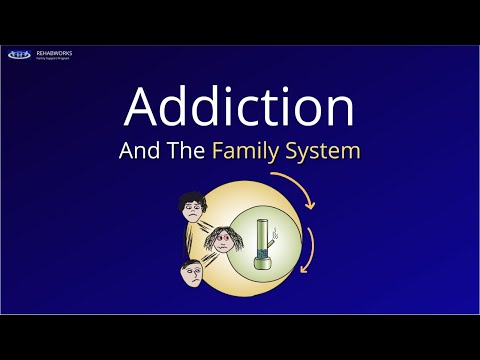
There’s a lot to unpack when talking about codependency and addiction, especially since they often go hand in hand. You see, codependency usually involves someone who feels overly responsible for another person’s feelings or actions, and often, this can lead to a cycle that supports addiction.
First off, let’s break down what codependency really looks like. Imagine you’re always prioritizing someone else’s needs above your own, feeling like you can’t be happy unless they are. This might mean you’re constantly rescuing them from their consequences—like bailing them out of trouble or making excuses for them. So, the thing is, this behavior can create an unhealthy dynamic that doesn’t just affect the person struggling with addiction but you too.
Now, here’s where addiction comes into play. Addiction creates chaos. People dependent on substances often exhibit erratic behaviors—like lying or being unreliable—which in turn fuels a sense of panic and urgency in the codependent partner or family member. It’s like a dance; one person spirals down while the other rushes in to save them time after time.
In these situations, you might notice some key patterns:
- Loss of Identity: Codependents can lose themselves because they’re so focused on the other person that they forget who they are.
- Enabling Behaviors: You might think you’re helping by covering up for them or making things easier—but it just perpetuates their struggles.
- Sacrifice of Mental Health: Your own mental health takes a hit because you’re pouring all your energy into someone else’s issues.
- Cycle of Guilt: When things don’t go well—like if your loved one relapses—you might feel responsible or guilty.
Breaking free from this cycle isn’t easy but it’s possible. Start by recognizing that you can’t save anyone else if you aren’t taking care of yourself first. That means setting boundaries—like saying “no” sometimes—and focusing on your own needs.
Consider talking to someone—a friend or even a therapist—about what you’re facing. Having an outside perspective helps clarify whether you’re really helping or just caught up in a cycle of enabling behavior.
And hey, remember:
Refusing to enable doesn’t mean you don’t care; it means you’re choosing to care for yourself too.
One powerful shift is learning to detach with love. It doesn’t mean cutting ties completely; it’s more about allowing them to face their own consequences while still loving them from a distance. It frees you up to reclaim your mental health without guilt dragging you down.
Ultimately, awareness is huge. Understanding how these dynamics work gives you the tools needed to change things for the better—not just for yourself but potentially helping your loved one find their path too. You deserve peace and happiness as much as anyone else does!
Navigating codependency in family dynamics? Wow, that one hits home, right? So many of us know that feeling of trying to be there for someone we love—like a parent, sibling, or even a partner—and finding ourselves completely wrapped up in it. It’s like being on this emotional rollercoaster where you’re caring so much for others that you end up neglecting your own needs. You feel me?
I once had a friend named Jake. He was super close with his mom, and it seemed really sweet at first. They would do everything together—movies, shopping, you name it. But then Jake started to notice he was always the one listening to her problems. Whenever he tried to voice his own struggles? Well, let’s just say he felt brushed off. It’s not that she meant to do it; she just relied on him way too much. And before long, Jake was feeling burnt out and frustrated.
So what really is codependency? Well, it’s kind of like this invisible bond where one person’s identity and wellbeing get tied up with another’s feelings and needs. It can feel suffocating! You might find yourself making excuses for them or always being the one to fix things when they go wrong—crazy how those patterns form without even realizing it.
And here’s the kicker: this often spills over into mental health issues—like anxiety or depression. When you’re caught in a cycle of looking after everyone else without taking care of yourself… it drains your energy and makes you feel lost. Like you’re living someone else’s life instead of your own.
Recognizing these patterns is no walk in the park either; sometimes it’s hard to admit that maybe, just maybe, you’re part of the problem too. But acknowledging that feels like taking the first step toward breaking free from those chains.
Family dynamics are complex—you know? They’re layered with history and emotions that make everything sticky. The love is there but sometimes it gets tangled up with expectations or guilt—or even unspoken rules about how things should be done in the family.
Being aware of this allows you to set boundaries, which seems so simple but can be tough! It’s about learning how to say “no” without feeling guilty or realizing when stepping back is healthier for both you and your family member. And honestly? That can be liberating!
So if you find yourself navigating these waters right now—just know you’re not alone in this struggle! Remember that caring for yourself doesn’t mean you care any less for others; it’s more about creating a healthier relationship dynamic where everyone can thrive—even if it means shaking things up a bit along the way!