You know those days when everything feels, like, way too heavy? Yeah, I get it. Depression can be such a struggle, and it’s not just in your head. It seeps into every little part of life.
But here’s the thing: there are tools out there that can help lift some of that weight. One super handy approach is Cognitive Behavioral Therapy—or CBT for short.
It sounds fancy, but really, it’s just about changing how you think and what you do when life gets tough. Seriously, it can make a big difference!
So let’s chat about some CBT techniques that could bring a bit of light back into that gray space. Because we all deserve to feel better, don’t you think?
Effective CBT Techniques for Managing Depression: A Comprehensive Guide
Cognitive Behavioral Therapy, or CBT, is like a toolbelt for tackling depression. It’s all about understanding how your thoughts, feelings, and behaviors are connected. So when you’re feeling down, it can help you make sense of it and find ways to manage those feelings better. Let’s break down some effective CBT techniques you might find useful.
Identifying Negative Thoughts
One of the first steps in CBT is recognizing those pesky negative thoughts. These can be things like “I’m such a failure” or “Nothing will ever get better.” Have you ever noticed how these thoughts creep in and just drag you down? Well, journaling can be a great way to catch them in the act. Write down what you’re thinking whenever you’re feeling low. It helps to see them on paper—it’s like shining a light on shadowy fears.
Challenging Your Thoughts
Once you’ve spotted those negative thoughts, the next step is to challenge them. Ask yourself questions like: “Is this thought really true?” or “What evidence do I have that supports this?” You might be surprised to realize that some of these beliefs don’t hold up under scrutiny. For example, if you think, “Nobody likes me,” look back—can you think of even one person who cares? They’re probably there; sometimes we just forget.
Behavioral Activation
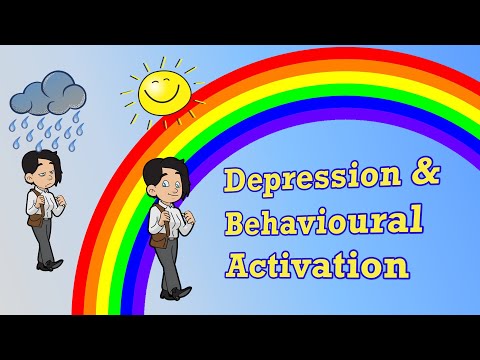
When depression hits hard, it’s easy to retreat into your shell. That’s where behavioral activation comes in—it encourages you to engage with life again! Start small: maybe take a walk outside or call up a buddy for coffee. The idea is to do things that bring you joy or even just a sense of accomplishment. Every little action counts and can gradually lift your mood.
Developing Coping Strategies
CBT also focuses on finding healthier ways to cope with stressors. This could mean practicing mindfulness techniques—like meditation—as a way to ground yourself during tough moments. Or it might involve deep breathing exercises when anxiety strikes. These skills help create a sense of control amidst chaos.
Cognitive Restructuring
This sounds fancy, but cognitive restructuring simply means changing how we interpret events around us! If you mess up at work and think it’s the end of the world (classic overthinking), try reframing that thought into something more balanced: like «I made a mistake this time; I can learn from it.» Shifting your perspective often helps lessen the sting.
Setting Goals
Setting achievable goals can also be beneficial in managing depression through CBT. Break larger goals into smaller steps so they don’t feel overwhelming—think baby steps! Celebrate each little victory; they all count towards building momentum and motivation.
Socratic Questioning
Ever heard of Socratic questioning? It’s basically asking open-ended questions that lead you to discover answers yourself rather than someone telling you what to think! This approach encourages deeper thinking about your feelings and beliefs. For instance, if you’re convinced you’ll fail at something new, ask yourself why you feel that way—and see if there’s another possible outcome!
Incorporating these
,
, and
Remember though—even though CBT has proven helpful for many people dealing with depression, it’s not magic overnight fix-it-all solution! Working with a licensed therapist who specializes in CBT could amplify these techniques’ effects—having support makes everything less daunting!
So next time you’re feeling low, give these techniques a try—you might be surprised by how much power you have over your own thoughts and feelings! Keep pushing forward; brighter days are ahead!
Understanding the 5-Minute Rule in Cognitive Behavioral Therapy: A Simple Guide
The 5-Minute Rule in Cognitive Behavioral Therapy (CBT) is a neat little trick that can really help you when you’re feeling overwhelmed or stuck. Basically, it encourages you to commit just five minutes to something that feels tough or unappealing. You know how sometimes it can be hard to get off the couch or tackle that mountain of laundry? The idea is, once you get started, the rest might just flow.
Now, let’s talk about *why* this works so well. It’s all about breaking down tasks that can feel heavy and impossible. Depression can make even simple things seem like a huge deal, right? By giving yourself permission to only focus for five minutes, you take off some of the pressure. It’s like saying, “Hey, I can do *anything* for just five minutes!”
How does this link to CBT? First off, CBT is all about changing negative thought patterns. When you’re feeling low, your brain might tell you things like “I’ll never finish this,” or “This is pointless.” The 5-Minute Rule helps challenge those thoughts by shifting your focus from the outcome to just starting.
You might wonder how to apply it in real life. Here’s a couple of ways:
- Getting out of bed: When the day feels too much and your bed seems too cozy, tell yourself you’ll just sit up for five minutes. Often, once you’re up and sitting there, you’ll be more inclined to keep moving.
- Writing in a journal: If journaling feels daunting—like staring at a blank page forever—set a timer for five minutes. Just write whatever comes to mind without judging it.
And hey, here’s the emotional part: imagine Sarah—a friend who often feels overwhelmed by her thoughts and responsibilities. One day she faces an avalanche of tasks after being sick for a week. She decides on the 5-Minute Rule; she chooses one task: sorting through her emails. At first, she feels that familiar dread creeping in but tells herself she only has to do it for five minutes. Those few moments quickly turn into half an hour as she finds her groove again.
You see? This method not only gets things done but also shifts how you think about challenges! Plus, it’s super flexible—you apply it wherever you need it most!
In summary:
- The 5-Minute Rule helps cut through feelings of overwhelm.
- It’s linked directly to CBT by challenging negative thoughts.
- You can apply it anywhere—from chores to self-care activities.
So next time you’re feeling stuck—just remember: Five minutes is all it takes to kickstart change! Go ahead and give it a shot; who knows what amazing things could come from just getting started?
Understanding the 3 C’s of CBT Therapy: A Guide to Cognitive Behavioral Techniques
Cognitive Behavioral Therapy, or CBT for short, is one of the most popular and effective strategies for tackling things like depression. One of the cool ways to think about CBT is through the 3 C’s: **Cognition, Context, and Change**. Let’s break these down a little.
Cognition refers to your thoughts. You know how sometimes your brain just spirals into negativity? Like when you start thinking you’ll never be good enough at something? Well, CBT focuses on identifying those pesky thoughts that are dragging you down. The idea is to catch them before they take over your day. For example, instead of saying, “I always mess up,” try flipping it to, “I made a mistake once, but I can learn from it.” Changing that internal dialogue can make a huge difference.
Then we have Context. This is all about understanding where those thoughts come from. Our past experiences shape how we react to situations today. Think about a time when someone criticized you and it hurt deeply. That can create a pattern where you start doubting yourself in similar situations later on—even when it’s not warranted! In therapy, exploring these contexts helps you realize that not every situation needs to trigger the same negative response.
Finally, the biggie: Change. This one’s all about action. You’re not just sitting there thinking; you’re doing something different! CBT encourages trying new behaviors that align with more positive thoughts and perspectives. For instance, if social situations make you anxious because you think people won’t like you (those sneaky cognition patterns again), CBT might help you gradually step into those scenarios—maybe starting with small gatherings before going full-on party mode.
Using these 3 C’s can lead to real transformations in how you view yourself and interact with the world around you. Remember that change doesn’t happen overnight—it’s more like building a muscle over time! So whether you’re in therapy or just interested in self-improvement, thinking about your thoughts (cognition), understanding their background (context), and taking action toward change can really help lighten the burden of depression.
By recognizing these three aspects of your mental process, you’re setting up a solid foundation for healthier thinking patterns! And hey—every little step counts!
When it comes to dealing with depression, it can feel like you’re stuck in a heavy fog. You know, the kind that makes it hard to see anything bright or hopeful? I remember a conversation I had with a friend who was going through it. She said she felt like she was walking in slow motion while everyone else zipped past her. It’s tough, really tough.
So here’s where Cognitive Behavioral Therapy, or CBT for short, steps in. Basically, CBT is all about understanding how your thoughts affect your feelings and behaviors. Imagine you’re stuck in that fog, and someone hands you a flashlight—that’s CBT! It helps you light up those thoughts that make everything seem so heavy.
One technique that’s pretty popular is thought record keeping. It’s like keeping a diary of your emotions but with a twist. You write down negative thoughts as they come—and trust me, they can come like a freight train when you’re feeling down. Then, you look at those thoughts critically—like a detective trying to figure out if there’s any truth to them or if they’re just exaggerations of your mind.
So let’s say you think “I’ll never be happy again.” Well, with this technique, you’d challenge that by asking questions like: “What evidence do I have for this? Have I ever been happy before?” Sometimes just writing this out can lift some of the weight off your chest.
Another common CBT technique is behavioral activation. Imagine this: when you’re feeling low energy and sad, the last thing you want to do is get up and do something productive—like taking a walk or calling an old friend. But here’s the kicker: doing those things can actually help lift your mood! Crazy how our minds work sometimes.
The idea is simple; schedule some activities that bring you even the slightest joy—even tiny ones count! Maybe it’s watching an episode of your favorite show or trying out that new recipe you’ve been eyeing online. Making yourself move into action can create small bursts of happiness that just might brighten your day.
And then there’s mindfulness training. It’s all about being present and noticing what you’re feeling without judgment—so instead of spiraling down because you’re depressed, you learn to observe those feelings as temporary clouds passing through the sky.
Honestly, these techniques aren’t magic wands—they take time and practice. But getting through depression doesn’t have to be done alone, either; having supportive friends or professionals can make all the difference in the world.
In my friend’s case—it took some time but adopting some of these approaches really helped her find her way back into the sunlight after feeling so lost for so long. If she could step out from behind that foggy wall using tools like these, maybe there’s hope for others too? Just remember—it starts with one small step at a time!