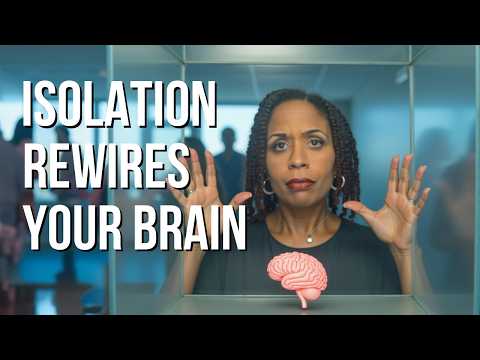
You know, aging can be a wild ride. One minute you’re rocking life, and the next, it feels like your brain just hit the brakes.
Cognitive decline is something many seniors face. It’s not just about forgetting where you put your keys, though. It goes deeper.
Imagine losing memories of people you love or struggling to follow a conversation that used to be second nature. That’s pretty rough, right?
But it’s not just the brain stuff. The emotional side can hit hard too. Anxiety and sadness often come knocking when memory fades.
Let’s chat about what’s happening up there and how it affects not only seniors but also everyone around them.
Top 3 Effective Interventions for Managing Cognitive Decline
Managing cognitive decline in seniors is a pretty big deal. You know, as we age, our brain’s performance can take a hit, leading to issues like memory problems and difficulty concentrating. This can really affect everyday life, relationships, and overall happiness. So let’s break down three effective interventions that have shown promise in helping manage this decline.
1. Cognitive Training
This one’s all about keeping the brain active through mental exercises. Think puzzles, memory games, and even language learning. Cognitive training aims to strengthen neural connections or maybe even create new ones, which is super important as we age. For instance, participating in programs that focus on problem-solving or reasoning tasks can boost cognitive abilities and slow decline.
You might’ve heard of platforms like Lumosity or games designed specifically for older adults. These activities not only engage the mind but also provide a sense of accomplishment when you solve those tricky puzzles. It’s like giving your brain a workout!
2. Physical Activity
Believe it or not, staying physically active is hugely beneficial for your brain health too! Regular exercise helps improve blood flow to the brain and promotes neurogenesis – which is basically just fancy talk for the growth of new neurons. Engaging in activities like walking, swimming, or even dancing can help maintain cognitive function.
Imagine this: a senior who takes daily walks starts feeling more energetic and sharp-minded day by day. It’s not just about keeping fit; it’s about enhancing mental clarity too! Plus, moving around often boosts mood and reduces feelings of loneliness—a double win.
3. Social Engagement
Being socially engaged plays a big role in combating cognitive decline. Whether it’s joining clubs, volunteering, or simply keeping up with family and friends through regular visits (or calls), social interaction helps stimulate the mind and keeps spirits high.
Picture someone who often attends community events versus another senior who stays home mostly alone—one is likely to feel more connected and mentally sharp due to those regular chats over coffee or participating in group activities! It fosters emotional well-being while also challenging the mind through conversations and shared experiences.
To sum up:
- Cognitive training: Keep that brain busy with puzzles and games.
- Physical activity: Get moving! Exercise helps fuel brain health.
- Social engagement: Stay connected with others; it makes all the difference.
Overall, these approaches can make a real difference for seniors dealing with cognitive decline—boosting both their mental faculties and their quality of life in the process!
Discovering Your Mental Peak: At What Age Does Cognitive Ability Flourish?
It’s interesting to think about when we really hit our mental peak, right? You might be surprised to learn that different areas of cognitive ability peak at different times. So, let’s break it down.
For most people, processing speed, which is how quickly you can take in information and react, tends to peak in your late teens or early twenties. This is when your brain is like a sports car—fast and efficient, zooming through tasks with ease. But as you hit your thirties, it might start to slow down just a tad.
Then there’s crystallized intelligence, which is all about the stuff you’ve learned over time—knowledge and skills you accumulate through life experiences. Believe it or not, this can keep developing well into your fifties and beyond. It’s like a fine wine getting better with age!
Now, let’s talk about memory. It’s pretty fascinating because certain types of memory can peak at different ages too. For example:
- Short-term memory often hits its stride in your twenties.
- Long-term memory, however, tends to hold strong well into middle age.
- So if you’re feeling forgetful in your forties or fifties, don’t sweat it too much—it might just be that quick recall that slows down a bit.
You know how sometimes you hear stories of older folks who seem to have such wisdom? That’s because while some cognitive functions do decline, others remain sharp or even grow stronger with age. It can even be comforting knowing that age brings valuable insight and perspective.
But it’s not all smooth sailing for everyone as they age. A lot of factors come into play when we talk about cognitive decline in seniors:
1. **Health Conditions:** Chronic illnesses like diabetes or heart disease can affect cognitive abilities.
2. **Mental Health:** Depression and anxiety are sneaky little thieves that can rob sharpness from the mind.
3. **Social Engagement:** Staying connected with others seems to help keep the brain engaged.
To paint a vivid picture—imagine Grandma Betty playing bridge every Thursday night with her friends while also keeping up with her book club discussions about current events. She isn’t just staying social; she’s exercising her brain.
In closing, figuring out when cognitive ability flourishes isn’t cut-and-dried; it’s kind of like navigating a winding road filled with ups and downs. Understanding these changes helps us prepare for the inevitable shifts in our mental capabilities throughout life. So whether you’re feeling on top of it in your twenties or gaining wisdom in later years, remember—it all counts!
10 Effective Strategies to Boost Cognitive Function in Seniors
Cognitive decline in seniors can be a tough pill to swallow. It’s not just about forgetting where you put your keys; it can lead to feelings of frustration, sadness, and even isolation. But there are ways to fight back and keep the brain sharper for longer. Here are some effective strategies that can really help.
Stay Mentally Active
Engaging in mentally stimulating activities is super important. It’s like a workout for your brain! Activities such as puzzles, reading, or even learning new skills keep those neurons firing. Think of it as lifting weights but for your mind.
Social Interaction
Connection is key! Regularly chatting with friends or family helps reduce feelings of loneliness and boosts cognitive health. You know how a good laugh or heartfelt conversation can lighten your mood? It’s that boost of joy that keeps the brain active.
Physical Exercise
Moving your body affects your mind too! Regular physical activity improves blood flow to the brain and can even encourage new brain cells to grow. Whether it’s taking a walk around the block or doing some yoga at home, every little bit counts.
Meditation and Mindfulness
Practicing meditation or mindfulness helps reduce stress, which is great for cognitive function. Even just a few minutes a day can help you feel more centered and focused. Imagine finding peace in chaos; that’s what mindfulness brings.
A Healthy Diet
What you eat matters! Foods rich in antioxidants, healthy fats, vitamins, and minerals support brain health. Think berries, nuts, fish—basically anything colorful on your plate is usually good news for your neurons!
Sufficient Sleep
Never underestimate sleep! Good quality sleep plays an essential role in memory consolidation and overall cognitive function. If you’re waking up tired, it might be time to rethink that sleep routine.
Limit Alcohol and Avoid Smoking
Cutting back on alcohol and steering clear of smoking can significantly protect cognitive function over time. Both habits have been linked to an increased risk of cognitive decline—so reducing them could really make a difference down the line.
Stay Organized
Sometimes, just keeping things organized helps manage day-to-day tasks better! Using calendars or reminders (hello smartphones!) reduces stress about remembering everything at once.
Cognitive Training Programs
Some programs are designed specifically for seniors to exercise their brains through games and challenges that stimulate thinking skills. Getting into one of these could be fun—and beneficial!
Incorporating these strategies into daily life isn’t just about preventing decline; it’s also about enhancing overall well-being as you age. Each small step you take adds up over time! Just remember: it’s about consistency rather than perfection. Every effort counts towards keeping your mind sharp—what’s stopping you from starting today?
Cognitive decline in seniors can be a heavy topic, but it’s something that affects a lot of people, you know? It’s tough to see someone you love struggle with memory loss or confusion. I remember visiting my grandma when she started forgetting little things—like where she’d put her glasses or the names of her favorite recipes. At first, it felt like a minor inconvenience. But as time went on, I noticed how it changed her mood and outlook on life.
When cognitive decline happens, it’s not just about forgetting facts; it’s about losing connections to who we are. Imagine feeling like a stranger in your own mind. That can be super scary! Seniors often end up feeling isolated because they worry about being a burden or don’t want to look “different” in front of their friends. That kind of loneliness hits hard.
Psychologically, the effects can spiral. You might find that anxiety and depression creep in as they grapple with their fading abilities. Suddenly, everyday activities that were once routine become overwhelming challenges. And it’s not just frustrating; it can feel humiliating to need help for things you used to do without thinking.
It’s important to remember that this decline doesn’t define them, though. There’s still so much life and joy that can be experienced—even amidst this struggle! Little moments like playing a familiar tune on the piano or flipping through old photo albums can spark happiness and bring back those cherished memories.
Being supportive means showing patience and understanding—offering to talk about memories instead of pointing out forgetfulness is a good start! Talking helps keep those connections alive and gives both sides some solace amid the uncertainty.
It’s undeniably tough, but being there for someone during these changes is crucial. It reminds us all how important community and connection really are—as we age or as we care for those who do!