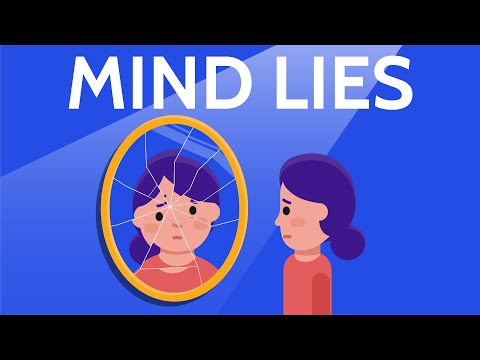
So, let’s chat about something we all do but might not even realize—cognitive distortions. Yeah, those pesky little thought patterns that can totally mess with your head.
You know when you look in the mirror and think, “Ugh, I’m such a failure”? That’s a distortion. It’s like wearing funky glasses that twist reality into something way more negative than it actually is.
And honestly? We all have our moments. I remember feeling like the world was crashing down on me over a bad grade in school. I thought my life was ruined! Spoiler alert: it wasn’t.
These thinking errors can make you feel like you’re trapped in a loop of negativity. But understanding them? That’s the first step to breaking free! Let’s unpack some of these distortions and maybe share a laugh or two along the way. Sound good?
Understanding Cognitive Restructuring: Real-Life Examples and Practical Applications
Cognitive restructuring is like a mental gym workout. You’re not just lifting weights; you’re training your brain to think in healthier ways. Basically, it helps you challenge those funky thoughts that pop up and twist reality into something more manageable.
Now, the thing is, our brains often fall into these traps called cognitive distortions. These are basically shortcuts your mind takes that lead to negative or irrational conclusions. Like seeing a cloud and thinking it’s going to rain all day, even if it’s just a passing sprinkle. It’s about as accurate as thinking you can eat one slice of cake and not want the whole thing afterward.
Here’s where cognitive restructuring comes into play. You start by identifying these distortions. Here are some common ones:
- All-or-Nothing Thinking: Either something is perfect, or it’s a total failure.
- Overgeneralization: One bad experience means every similar situation will be bad too.
- Catastrophizing: Assuming the worst possible outcome will happen.
Let me share a quick story. Imagine Sarah, who just had a tough presentation at work. She thought she bombed it completely (all-or-nothing thinking). Instead of acknowledging she did well on parts of it, she spiraled into believing she would never get promoted because of this one instance (overgeneralization). It’s heartbreaking, right? But with cognitive restructuring, Sarah could challenge those thoughts.
So what does this look like in practice? First off, you’d recognize that thought spiral when it starts. Then comes the fun part—challenging those thoughts! Ask yourself questions like: “What evidence do I have for this?” or “Is there another way to look at this?” For Sarah, realizing her boss actually gave her positive feedback could shift her mindset significantly.
Another great tool in cognitive restructuring is replacing negative thoughts with more balanced ones. Instead of saying “I’m no good at my job,” Sarah might change that to “I had a tough presentation, but I have strengths that I can work on.” It’s like swapping out old furniture for something fresh and comfortable.
Here’s another example you might find relatable: ever stressed about an upcoming exam? The usual thought might be “If I don’t ace this test, my life is over!” Yeah, that’s catastrophizing for sure! Instead, think: “This test is important but not the end of the world.” Gives you breathing room, right?
Finally—and this part can be tricky—practicing mindfulness really helps cement these new ways of thinking. When you notice those pesky negative thoughts creeping in during your day-to-day life, just take a second to pause and breathe deeply before reacting or spiraling further.
In short? Cognitive restructuring can change how you see yourself and your world over time—like polishing your lenses so everything looks clearer and less overwhelming. The more you practice recognizing and challenging those distorted thoughts, the easier it’ll become to view situations in a more balanced light. It’s all about giving yourself permission to see things differently!
Understanding Cognitive Dissonance: Everyday Examples That Shape Our Choices
Cognitive dissonance is one of those brainy concepts that pop up in everyday life more than you might think. It’s a psychological phenomenon where you feel discomfort because your beliefs, attitudes, or behaviors clash. You know when you eat that extra slice of cake even though you’re trying to eat healthier? Yeah, that’s cognitive dissonance in action!
Imagine this: You’ve been telling your friends how crucial it is to recycle and care for the planet. But then, one day, you toss a plastic bottle in the trash instead of recycling it. Now you’re stuck feeling uneasy because your actions don’t line up with what you believe. This tension can lead to some pretty interesting mental gymnastics as you try to resolve these conflicting thoughts!
So, what do people do when faced with cognitive dissonance? They usually try to find a way to ease that uncomfortable feeling. Here are a few strategies:
- Change your beliefs: You might start thinking, «Well, recycling isn’t as important anyway.» This helps align your actions with your new belief.
- Change your behavior: You realize tossing stuff in the trash feels wrong and commit to recycling moving forward.
- Add new thoughts: You could convince yourself that it’s just one bottle and won’t make much difference overall—sort of like a “just this once” excuse.
Let’s say you’re trying hard to save money for a vacation but you splurge on a fancy dinner. The dissonance hits hard! You might think about how nice it’ll be on vacation or justify it by arguing that life is too short not to enjoy good food now and then.
Cognitive dissonance can really shape our choices in ways we often don’t notice. It’s like having an internal struggle going on all the time! Think about smokers who know it’s bad for their health but still light up. They might tell themselves they need it for stress relief or that they’ll quit soon enough.
Another common example—you buy an expensive car because it looks cool and impresses others. Later on, you’re stressing about payments and realizing maybe practicality should’ve won out. The pressure builds inside as you grapple with wanting status versus needing financial stability.
This phenomenon isn’t just limited to personal choices; it’s everywhere! In relationships, people might stick around despite unhappiness because they focus on the good times instead of the bad—even when deep down they know it’s not right.
Understanding cognitive dissonance sheds light on why we make certain decisions. By recognizing these internal conflicts, we can better navigate our feelings and actions. So next time you’re caught between two contrasting thoughts or behaviors, take a moment to check-in with yourself—you might discover something eye-opening!
Understanding Cognitive Distortions in Teens: A Clear Example and How to Overcome Them
Cognitive distortions are, like, those sneaky little thoughts that can mess with your head. For teens, this is extra relevant since they’re navigating a ton of changes, and their brains are still catching up. You know? So, let’s break this down and make it relatable.
Cognitive distortions are patterns of negative thinking that can lead to feelings of anxiety or depression. It’s like wearing dark sunglasses all the time—you see everything through a gloomy lens. Teens often experience these distortions more intensely due to their unique emotional rollercoasters.
A classic example is **all-or-nothing thinking**. Imagine a teen named Alex who’s stressing about grades. If they don’t get an A on a test, they might think, “I’m a total failure.” This black-and-white thinking doesn’t leave room for the gray area where they might actually be doing okay overall.
Another common distortion is **catastrophizing**. Picture Jamie, who misses one soccer practice because of a family commitment. They spiral into thoughts like: “I’m going to lose my spot on the team!” The reality? Missing one practice likely won’t change everything.
So why do we even do this? Well, sometimes our brains jump to conclusions as a way to cope with stress or fear—like armor against emotional pain. But this armor can be suffocating instead.
To help teens overcome these cognitive distortions, it helps to focus on awareness and challenge. Here’s how:
- Recognize the thought: When you notice that all-or-nothing thinking popping up—like Alex did—pause for a sec.
- Challenge it: Ask yourself if it’s really true. Is missing one test really going to define your entire future?
- Reframe: Try flipping the thought around! Instead of “I’m a failure,” say, “I didn’t get an A this time, but I can still improve next time.”
Having conversations about these thoughts can also help. Letting teens share how they feel often uncovers those cognitive distortions lurking in their minds.
To wrap this up, understanding cognitive distortions isn’t just about labeling thoughts; it’s like giving your brain a bit of spring cleaning! You clear out old beliefs that no longer serve you and replace them with healthier views that lift you up instead of dragging you down. That way, facing life becomes way more manageable!
You know, cognitive distortions are those sneaky little thought patterns we all have that can really mess with our heads. They’re like those annoying pop-up ads that just won’t go away. Basically, they distort how we see ourselves, others, and the world. And honestly? They can make even the simplest situation feel overwhelming.
Take, for example, a friend of mine named Sam. He was always convinced that if he didn’t get a perfect score on every exam, it meant he was a total failure. This all-or-nothing thinking really had him stressed out and second-guessing himself all the time. Instead of just seeing his hard work and improvement over time, he focused solely on that one grade. It’s so easy to fall into that kind of thinking: either you’re killing it or you’re not—no in-between.
Another common distortion is catastrophizing—this one hits home too! I remember this time a colleague thought she’d be fired because she made one small mistake in a presentation. She went down this rabbit hole of worst-case scenarios: losing her job, not being able to pay rent, ending up broke… You get it—things spiraled fast! But when she talked it through with me later, it turned out her boss hadn’t even noticed the blunder! It’s wild how our minds can blow things way out of proportion.
Then there’s the classic «mind reading.» We assume we know what others think about us without any real evidence. Like when you see someone looking at you across the room and your mind jumps to: “They think I’m awkward.” I’ve been there too! That awkward coffee shop moment where you catch someone’s eye—and suddenly you’re convinced they’ve judged your entire persona by what sweater you chose today.
So what’s the deal with these distortions? They make life heavier than it needs to be. Acknowledging them is like shining a light into those dark corners where negative thoughts thrive. When Sam learned to recognize his all-or-nothing thinking and focus instead on progress over perfection? Yeah, he started feeling a lot better about himself.
And let me tell ya; talking things out helps too. Just voicing those worries often shows how ridiculous they can be sometimes. So next time you’re spiraling into those negative thoughts, pause for a sec and ask yourself if you’re twisting reality just a little bit too much!