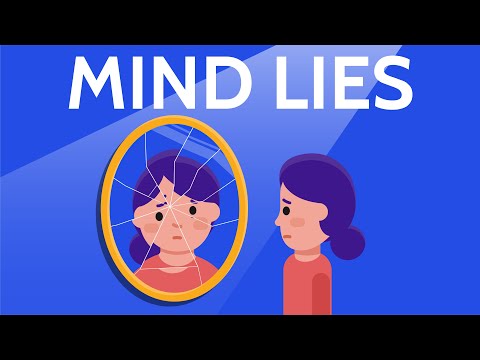
You know those days when you just can’t shake that negative thought? It’s like a pesky fly buzzing around your head. Ugh, right?
Cognitive distortions are behind that annoying buzz. They mess with how we see ourselves and the world. Seriously!
And here’s the kicker: they can really trip you up on your path to feeling better. It’s like walking with a pebble in your shoe—you know it’s there, but you kinda forget about it until it hurts.
But hey, we’re gonna dig into this! Understanding these distortions is a big step towards mental health recovery. So, grab a comfy spot and let’s chat about how to kick those pesky thoughts to the curb!
Understanding Cognitive Distortions: Free PDF Guide to Improve Your Mental Health
Sure, let’s talk about cognitive distortions and how they can affect your mental health. These are basically patterns of thinking that can mess with your head, you know? They trap you in negative thoughts and feelings that don’t really reflect reality. Understanding them is a big step toward improving your mental well-being.
Cognitive distortions are like little gremlins in your mind. They twist the way you see things, making everything seem worse than it is. For instance, let’s say you’ve got a big presentation at work. If you think, “If I mess this up, I’ll get fired,” that’s called catastrophizing. It’s when you blow things out of proportion. This kind of thinking can lead to anxiety and stress.
Another common distortion is all-or-nothing thinking. It’s when you see things in black-and-white terms. Like if you didn’t ace an exam, you might think, “I’m such a failure.” But life is rarely that clear-cut! Most things fall somewhere in between.
You’ve also got overgeneralization, which is taking one experience and making it a rule for life. Say you went on a bad date; instead of just thinking it was a bad date with one person, you might tell yourself, “I’m never gonna find love.” Yikes! That’s heavy stuff to carry around.
Then there’s personalization. This happens when you take responsibility for something that isn’t your fault at all. Maybe your friend is upset, and instead of realizing they could be having a tough day for unrelated reasons, you think it’s because of something you did. That pressure isn’t fun at all.
So how do we deal with these pesky distortions? The first step is recognizing when they pop up. Keeping a thought diary can help here—you jot down those negative thoughts as they occur and then challenge them! Try rewriting those thoughts in a more balanced way.
It’s like this emotional detective work—uncovering the hidden truths behind what your mind tells you. You could say to yourself, “Is there evidence to support that thought?” Often enough, you’ll find there isn’t!
Engaging in therapy can also make a world of difference. Therapists often use cognitive-behavioral therapy (CBT) techniques to help people shift their thinking patterns and reduce the impact of these distortions on their lives.
In our daily lives, we’re all prone to these distorted thoughts sometimes—it’s totally normal! But by recognizing them for what they are—a distortion—you gain power over them.
And just so we’re clear: coping with cognitive distortions isn’t about denying your feelings or pretending everything’s peachy keen when it’s not. It’s about giving yourself permission to feel while also challenging those negative cycles we get stuck in.
Maybe grab some resources or guides on cognitive distortions; having something tangible helps keep this info fresher in your mind! Who knows? You might even find some free PDF guides online that break down these concepts nicely for easy reference later.
Understanding cognitive distortions equips you with tools to combat anxiety or depression effectively—so it’s worth looking into! Making sense of this stuff offers clarity amidst the chaos our minds like to create sometimes.
Take it one thought at a time; remember—it’s okay not to be perfect!
Understanding Cognitive Distortions in Depression: Free PDF Guide
Cognitive distortions are like those annoying little gremlins in your head that twist your thoughts into something that feels super negative or distorted. When you’re depressed, these thought patterns can really take over, making everything seem darker than it is. Understanding them is key for recovery, you know?
So what exactly are cognitive distortions? They’re basically inaccurate or exaggerated thought patterns. You might catch yourself thinking things like, “I always mess up,” or “Nothing good ever happens to me.” Those thoughts can lead to a cycle that keeps you feeling down.
Here are some common types of cognitive distortions:
- All-or-Nothing Thinking: You see things in black and white. If you’re not perfect, you feel like a total failure.
- Overgeneralization: One bad event means that everything else will also turn out badly. Like if someone doesn’t text you back right away, it doesn’t mean they hate you!
- Catastrophizing: You think the worst possible outcome will happen. Spilling coffee before an important meeting? It’s going to ruin your entire day!
- Discounting the Positive: You ignore the good stuff in your life and focus solely on the negatives. Even when someone gives you a compliment, you brush it off.
Imagine Sarah, who just got a promotion at work but immediately thinks she doesn’t deserve it because she made a small mistake during a presentation. She’s caught in that all-or-nothing thinking trap. Instead of celebrating her success, she spirals into self-doubt.
These distortions can hijack your mood and influence how you view yourself and the world around you. But recognizing them is step one for breaking their power over you!
The cool part? You can challenge these thoughts! It’s not always easy, but questioning these negative beliefs can really help shift your perspective. Ask yourself if there’s evidence supporting those thoughts or if you’re just jumping to conclusions.
For example, if you’re stuck in catastrophizing mode about something trivial—like missing a workout—you might ask: “Will this actually affect my life significantly?” Spoiler alert: it probably won’t!
When you’re aware of cognitive distortions, it becomes easier to reframe situations more positively. This isn’t about putting on rose-colored glasses but about seeing things more realistically.
Remember, recognizing these patterns takes time, and that’s totally okay! The journey isn’t linear; it’s perfectly normal to have ups and downs along the way.
Incorporating mindfulness techniques can also help reduce the impact of cognitive distortions by grounding you in the present moment rather than getting lost in negative thought spirals.
So next time those pesky gremlins show up with their distorted thinking? Just remember: identifying them is half the battle toward feeling better! Each little victory adds up and paves the way for recovery and brighter days ahead!
Understanding Cognitive Distortions in Addiction: A Comprehensive PDF Guide
Cognitive distortions are tricky little thought patterns that mess with how we see ourselves, others, and the world. When it comes to addiction, these distortions can really get in the way of recovery. They can cloud your judgment and push you back into old habits. So, what’s the deal with these distortions?
First off, let’s break it down a bit. Cognitive distortions are basically biased perspectives we take on situations. Picture yourself thinking “I’ll never get better.” Oof! That’s a classic all-or-nothing thought. It doesn’t leave any room for progress or hope.
Addiction often thrives in this environment of distorted thinking. For example, someone might believe that they need a drink to cope with stress—this is called emotional reasoning. It’s like saying you feel anxious, so you must drink to feel better. But that kind of thinking doesn’t really solve anything; it just perpetuates the cycle.
Here are some common cognitive distortions linked to addiction:
- All-or-Nothing Thinking: Seeing things in black and white terms without acknowledging the gray areas. If you slip up once, you might think you’re a total failure.
- Catastrophizing: Jumping to the worst possible conclusion. You might think if you party one night, you’ll end up losing everything.
- Overgeneralization: Taking one negative experience and applying it everywhere. For instance, failing one time at sobriety might lead you to believe you’ll fail forever.
- Diminishing the Positive: Failing to recognize your achievements or good moments in recovery because they seem too small compared to past failures.
Understanding these patterns is crucial for anyone on the road to recovery. Recognizing when you’re trapped in distorted thinking gives you a fighting chance against those addictive behaviors.
Here’s where it can get personal: imagine someone who has been clean for six months but suddenly feels overwhelmed by life’s pressures and thinks about using again because «it helped before.» That moment seems so real; it feels *necessary*. But here’s the catch: their past addiction isn’t a reliable solution—it just adds more problems.
To combat cognitive distortions, therapy plays an essential role—like cognitive-behavioral therapy (CBT). CBT helps individuals challenge those negative thoughts and replace them with more balanced ones. The idea here is not about ignoring feelings but rather reframing them into something more constructive.
Incorporating mindfulness practices can also help boost self-awareness about your thoughts as they come up throughout the day—kind of like learning how to catch yourself in moments when you’re spiraling down those distorted thought patterns.
So remember, recognizing cognitive distortions is key on this journey toward healing from addiction. You’re not alone in this battle; understanding how your mind works can be empowering as you move toward healthier choices and ultimately find freedom from addiction’s grip!
You know, when it comes to mental health recovery, there’s this concept called cognitive distortions that really plays a big role. Basically, these are like the little gremlins in your head that twist your thoughts and turn them into something way more negative than they need to be. Like, ever caught yourself thinking you messed up a presentation and believing you’re just a total failure? That’s a classic example!
I remember talking with a friend once who was going through a tough patch. She had this pattern of thinking where she constantly compared herself to others—especially on social media. She’d scroll through her feed and feel like everyone was living their best life while she was stuck in a rut. Every time she’d tell herself that she would never catch up or be good enough, it really took a toll on her mood. That’s the thing with these distortions; they can feed into depression or anxiety without you even realizing it.
But here’s where it gets interesting: recognizing those thoughts is like turning on the light in a dark room. Once you see the distortions for what they are—unhelpful and often totally untrue—you can start challenging them. Maybe you find yourself questioning those negative thoughts instead of just accepting them as facts. The cool part about recovery is that it’s not just about feeling better; it’s also about learning how to think differently.
Therapy often helps people untangle these cognitive knots too! Cognitive Behavioral Therapy (CBT) is pretty popular for this kind of work because it focuses on changing thought patterns to improve behavior and emotions. You learn skills to fight back against those sneaky distortions that pop up when you’re feeling low.
In the end, recovery isn’t just about getting past the tough times; it’s also about growing stronger in how you think and feel about yourself and your situation. So, yeah—those little gremlins might try to lead you astray sometimes, but with awareness and support, you can definitely get back on track!