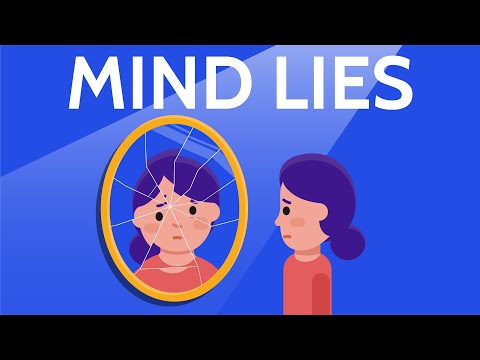
You know those days when your brain just feels like a whirlwind? One minute, you’re feeling fine, and the next, everything’s a mess. It’s wild how our thoughts can turn against us, right?
Cognitive distortions are kinda like these sneaky little lies we tell ourselves. They don’t just pop up outta nowhere; they’re often tied to our mental health struggles. And let me tell you, they can really twist our perception of reality.
Ever think you’ve failed at something because of one tiny mistake? Or maybe you assume everyone’s judging you based on one awkward moment? Yeah, that’s distortion at work. It’s frustrating! But it happens to the best of us.
Understanding these distortions is pretty key if you want to tackle them head-on. So let’s break down some of those pesky thought patterns together!
Understanding Cognitive Distortions: Free PDF Guide for Mental Wellness
Cognitive distortions are like those annoying little gremlins in your head that twist your thoughts into something unhelpful. You know, it’s when you look at a situation and totally blow it out of proportion or jump to conclusions without any real evidence. They can mess with your mood and how you see yourself and the world around you.
So, what are these cognitive distortions? Well, they come in various forms. Here are a few that pop up often:
- All-or-Nothing Thinking: This is when you see things in black and white. Like, if you don’t ace that test, then you’re a complete failure.
- Overgeneralization: Here’s where one bad experience leads you to believe every similar situation will end badly. Like if one date goes poorly, you might think you’ll never find love.
- Negative Filtering: This is when all the positive stuff gets filtered out, and only the negatives stick around. Maybe someone compliments your work, but all you can focus on is the one piece of criticism.
- Diminishing the Positive: If you do something well but brush it off as luck or insist it doesn’t really count, that’s this distortion at play.
- Catastrophizing: You make a mountain out of a molehill. If there’s a tiny issue at work, suddenly you’re convinced you’re going to be fired.
- Email Trying: Not giving yourself credit for good effort; like saying “I tried my best” doesn’t matter because results weren’t perfect.
These patterns can sneak into your daily life without you even realizing it. For instance, let’s say you’ve been working hard on a project at work. You get feedback from your boss—some praise but also some suggestions for improvement. Instead of feeling okay about the praise and using feedback as a learning opportunity, maybe you’re thinking: “Ugh, I’m terrible at this.” That’s how these distortions play tricks.
You might wonder how this influences mental health? Well, constant negative thinking patterns often contribute to anxiety and depression. It can also lead to issues like stress in relationships or difficulty coping with everyday challenges.
The good news is that recognizing these thoughts is the first step toward change! When you spot them creeping in—like that pesky weed in your garden—you have the power to challenge them. Ask yourself questions like: «Is this thought really true?», or «Am I being fair to myself?».
This little shift can make a big difference in how you feel day-to-day. And there are many resources available if you’re interested in digging deeper into cognitive distortions—like self-help books or therapy options that focus on cognitive-behavioral techniques.
Start noticing those sneaky thoughts! They might just be holding back your mental wellness more than you’d think.
Understanding Cognitive Distortions: 10 Common Examples That Impact Your Mental Health
Cognitive distortions are like sneaky little tricks our minds play on us. They’re those negative thoughts that can twist your perception of reality, often making things seem worse than they are. You might not even realize you’re thinking this way, but those distortions can have a real impact on your mental health, you know? Let’s break down some common ones so you can spot them in your own thinking.
1. All-or-Nothing Thinking
This is when you see things in black and white. If you mess up at something, you might think you’re a total failure instead of just having made a mistake. Like that time you didn’t get the job you wanted—you might feel like, “I’ll never succeed.”
2. Overgeneralization
Here’s where one bad experience colors everything else. If someone doesn’t text back right away, it’s not just that moment—you start thinking they don’t care about you or that everyone will leave eventually.
3. Mental Filter
This is like wearing tinted glasses where only the negative stuff shows up. You could get ten compliments but focus only on the one critique. It’s exhausting because it makes good moments feel less valuable.
4. Disqualifying the Positive
You might hear praise but shrug it off saying it was just luck or someone being nice. It’s tough because accepting compliments could help build your confidence, but these thoughts say otherwise.
5. Jumping to Conclusions
You think you know what others are feeling or saying without any real evidence—like assuming your friend is mad at you because they didn’t reach out for a couple days. You’re jumping off a cliff without checking if there’s ground below!
6. Catastrophizing
This distortion is when every little inconvenience feels like the end of the world—like getting a flat tire suddenly means you’ll miss an important event and ruin everything else too! It spirals quickly into panic mode.
7. Personalization
You take responsibility for things out of your control, believing everything revolves around you—like blaming yourself for a child’s tantrum at the store when really, they were just tired!
8. Should Statements
When your inner voice says “I should” or “I must,” it sets unrealistic standards that can lead to guilt or frustration when life doesn’t meet those demands—the classic “I should exercise more” guilt trip.
9. Labeling and Mislabeling
Here’s where we slap negative labels on ourselves based on our behaviors—like calling yourself “lazy” instead of recognizing that maybe you’re just burnt out after working hard for weeks!
10. Blaming
Rather than taking responsibility for one part of an issue, this distortion leads to pointing fingers at others—or even situations—that prevents growth and self-reflection.
Understanding these cognitive distortions helps put some distance between our emotions and our thoughts—they’re not always true! Recognizing them may change how we react to certain situations in our lives, opening doors to healthier thinking patterns and better emotional outcomes down the road.
So next time you’re feeling off or overwhelmed by negative thoughts, pause for a moment and ask yourself: am I falling prey to any of these distortions? Just spotting them can start making things feel a bit lighter—and trust me, that makes all the difference!
Mastering Your Mind: A Comprehensive Guide to Challenging Cognitive Distortions (Free PDF Download)
Cognitive distortions can really mess with our minds, you know? They’re those sneaky thoughts that twist reality and make things seem worse than they are. Let’s break this down into bite-sized pieces.
Cognitive Distortions Defined
Cognitive distortions are basically unhealthy thought patterns that can lead to negative feelings or behaviors. Imagine you’ve just missed a bus and think, “I’m always late!” That’s a classic example of black-and-white thinking, where you see things in extremes instead of the gray areas.
Common Cognitive Distortions
There are several types of cognitive distortions. Here’s a few that people often struggle with:
Each of these distortions can affect how you see yourself and your life. For instance, let’s say you bomb a presentation at work. If you overgeneralize, it might lead you to believe you’ll never be successful in your career again. Harsh, right?
Challenging Cognitive Distortions
So how do we tackle these pesky thoughts? First off, awareness is key! Recognizing when you’re falling into these thought traps is half the battle.
Next up, try questioning those thoughts. Ask yourself if there’s real evidence behind them or if they’re just exaggerated fears taking control. It helps to have a free PDF guide handy (just like the one mentioned) to jot down your thoughts and challenge them in an organized way.
Then there’s reframing—shifting your perspective on situations. Instead of saying “I failed,” consider “I learned something valuable from that experience.” It sounds simple but can really change your mindset!
It’s totally okay to seek help too! Talking about these distortions with a therapist can provide new insights and tools we might not have considered before.
When I was grappling with my own cognitive distortions, I once believed every mistake was monumental. But over time—and some therapy sessions—I learned that mistakes are part of being human. They do not define me.
If you’re looking to dive deeper into this stuff, maybe snagging that guide could be worthwhile! It offers practical strategies for challenging your thoughts and gaining clarity.
In summary, mastering your mind involves recognizing cognitive distortions, questioning them, and reframing negative thoughts into something healthier. It takes practice but trust me—it’s more than worth it for your mental health!
You know, I was chatting with a friend recently who’s been feeling pretty down. They mentioned how their mind tends to twist things around, making everything seem way worse than it is. Cognitive distortions, right? It’s like your brain has a funky filter that warps reality. I mean, you’ve probably had those moments too—thinking one bad thing defines your entire day or life.
So, cognitive distortions are pretty common in mental health challenges. Things like all-or-nothing thinking can really mess with how you see yourself. Like, if you don’t ace that test or hit the gym every day, then you feel like a total failure. It’s harsh and unrealistic! It reminds me of that time when I bombed an interview and spiraled into thinking I’d never get a job again. Crazy how one moment can feel so all-consuming.
Then there’s overgeneralization—you start thinking that because one thing went wrong, everything else will too. Like if your friend bails on plans once, suddenly they’re never going to hang out again. That kind of thinking just piles on the stress.
Another biggie is filtering out the positives while amplifying the negatives. You might have a great day at work but focus only on that one critical comment from your boss instead of all the praises from your colleagues. You end up feeling awful when there were so many bright spots!
It’s wild how these cognitive twists sneak into our everyday thoughts without us even realizing it sometimes! But yeah, becoming aware of them is like flipping a switch—suddenly you can see those thought patterns for what they are: just thoughts! They don’t have to run your life or keep you in that dark place.
Talking it out really helps too—like my friend said, sharing their feelings made it easier to spot those distortions and challenge them. So if you’re ever stuck in that mental loop where everything feels heavy and awful? Just know you’re not alone in this strange mind game we play with ourselves!