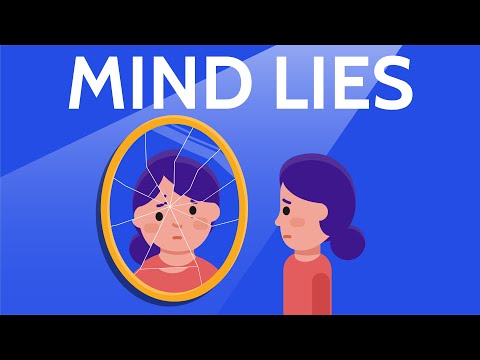
You know how sometimes your mind can go into overdrive? Like, you start thinking about that one awkward thing you said last week, and it spirals into “I’m the worst person ever”? Yeah, that’s a classic example of a cognitive distortion.
These little quirks in our thinking can really mess with our heads. They make everyday situations feel heavier than they should. Ever felt like you’re stuck in a mental loop? It’s exhausting!
So, let’s chat about these distortions. We’ll dive into how they creep into our thoughts and affect our mental health. It’s all about understanding what’s really going on up there, you know? Get comfy; this is gonna be relatable!
Understanding Cognitive Distortions: A Comprehensive PDF Guide for Mental Wellness
Cognitive distortions are like those pesky little gremlins that mess with your mind. They twist your thoughts in a way that skews your perception of reality, and honestly, they can really affect your mental health. It’s like wearing a pair of warped glasses—you see things all wrong!
So, what exactly are these cognitive distortions? Basically, they’re patterns of negative thinking that can lead to feelings of anxiety, depression, or just plain unhappiness. When you catch yourself thinking in these ways, it’s important to recognize it and challenge those thoughts. Here are some common types:
- All-or-Nothing Thinking: This is when you see things in black and white. Like if you’re not perfect at something, you feel like a total failure.
- Overgeneralization: Making broad conclusions based on one event. If you bomb a job interview, you might think you’ll never get hired anywhere again.
- Catastrophizing: This is blowing things way out of proportion. If someone doesn’t text you back, you might spiral into thoughts that they hate you.
- Mind Reading: Assuming you know what others are thinking without any evidence—like believing your friends think you’re boring because they didn’t invite you out.
- Mental Filter: Focusing only on the negative details while ignoring the positive aspects of a situation. If someone compliments your work but also suggests improvements, you fixate on the criticism.
- Emotional Reasoning: You feel a certain way so you assume that’s how it is for everyone else or even yourself. Like feeling scared about an upcoming event and convincing yourself it’s going to be terrible.
These distorted thoughts can create this endless loop of negativity in your head. It’s exhausting!
Let me give you a quick story: A friend once told me she felt overwhelmed at work because she thought her boss criticized everything she did. She started seeing herself as incompetent. But after we talked it out, she realized her boss was actually trying to help her improve! By challenging her all-or-nothing mindset, she discovered there were lots of gray areas—her job wasn’t perfect but also not horrible.
Learning to identify these distortions can be transformative. You start noticing when you’re spiraling into those negative thought patterns and can pull back from them—that’s key! Cognitive-behavioral therapy (CBT) often focuses on this very stuff; it’s all about changing those unhelpful thoughts into healthier ones.
In summary, cognitive distortions screw with your head and affect how you feel about yourself and life around you. Recognizing them is a big step toward mental wellness! And guess what? The more aware you become, the better you’ll handle life’s ups and downs without getting stuck in that negative whirlpool! So keep an eye out for those gremlins—they love to sneak up on us!
Understanding Cognitive Distortions: 10 Common Examples and How They Affect Your Mental Health
Cognitive distortions are those sneaky little thoughts that can mess with your head. They twist reality and make it hard to see things clearly. You might not even know they’re happening. But they can really affect your mental health, leading to anxiety, depression, or just a general feeling of being overwhelmed. Let’s break down some of these distortions to see how they work.
1. All-or-Nothing Thinking
This is when you see things in black and white—no gray area at all. It’s like thinking if you didn’t ace that exam, you’ve totally failed. You know? Missing one point doesn’t mean you bombed the whole thing!
2. Overgeneralization
With this distortion, one bad experience turns into a lifelong belief. If you get rejected from one job, you might think you’ll never get hired anywhere again. Seriously, that’s tough on your self-esteem!
3. Mental Filter
You focus only on the negatives while ignoring the positives—like seeing a single bad review among tons of good ones online and getting fixated on just that one! It’s like putting on blinders to all the good stuff in your life.
4. Disqualifying the Positive
This is similar to the mental filter but more intense—you refuse to accept any praise or positive feedback. “They were just being nice” becomes your mantra even when people genuinely appreciate what you’ve done.
5. Jumping to Conclusions
You draw conclusions without evidence, often assuming others are thinking negative things about you or predicting disasters for future events without any real basis in fact.
6. Catastrophizing
Here’s where it gets dramatic! You tend to expect the worst-case scenario in every situation—like thinking if someone doesn’t text back right away, they must be angry with you or want nothing to do with you anymore.
7. Emotional Reasoning
Your feelings become facts: “I feel anxious; therefore, something bad is going to happen.” Just because you’re feeling a certain way doesn’t mean it reflects reality; feelings are tricky like that!
8. Should Statements
Using “should” turns into comparisons against an ideal standard that nobody can meet all the time—like telling yourself you should be more successful or should have handled something better.
9. Labeling and Mislabeling
Instead of saying you’ve made a mistake, you label yourself as a “failure.” This can be super harmful because it affects how you see yourself overall instead of focusing on individual actions.
10. Personalization
You take responsibility for things that aren’t your fault—feeling guilty for someone else’s behavior or believing if something goes wrong, it must be because of something you did (or didn’t do).
So here’s the deal: Being aware of these cognitive distortions helps break their hold over us! When we challenge these negative thoughts and beliefs directly by looking for evidence against them, we start shifting our mindset towards a healthier perspective.
By noticing cognitive distortions and working through them with techniques like cognitive-behavioral therapy (CBT) or even talking it out with someone who gets what you’re going through—you can take control over how they affect your mental health and well-being!
Understanding Cognitive Distortions: Key Causes and Their Impact on Mental Health
Cognitive distortions are basically those sneaky little thoughts that can mess with your head and how you feel, you know? They’re not always true, but they sure feel real when they pop up. These distortions can lead to feelings of anxiety, depression, or just a general sense of being overwhelmed. And honestly, understanding them can help you break free from that negative spiral.
So, what are these cognitive distortions? They’re patterns of thinking that lead you to interpret situations in a skewed way. Think about it like this: if you wear glasses with the wrong prescription, everything looks off. That’s similar to how cognitive distortions work—they twist your perspective.
Here are a few common ones:
- All-or-Nothing Thinking: This is where everything feels black or white. If you don’t get an A on that exam, it feels like total failure.
- Overgeneralization: You make a conclusion based on one incident. If your date didn’t go well, all future dates seem doomed.
- Mental Filtering: This is when you focus only on the negatives and ignore the positives. You might have had a great day at work but fixate on one small mistake.
- Diminishing the Positive: When good things happen, you’ll brush them off as “Oh, anyone could’ve done that.”
- Catastrophizing: Here’s where you take a small issue and blow it out of proportion. Missing the bus means you’ll be late to everything for the rest of your life!
Now let’s talk about how these distortions impact mental health. It’s kinda like a chain reaction. Once those negative thoughts start rolling in, they can lead to feelings of sadness or anxiety. For example, someone who often engages in all-or-nothing thinking might experience severe anxiety about making decisions because they fear choosing “wrong.” This over time can lead to avoidance behaviors—staying home instead of hanging out with friends because you’re afraid you’ll embarrass yourself.
A personal story I want to share: my friend Sarah used to think she could never do anything right at work because she’d focus solely on her mistakes during team meetings. It was tough watching her spiral into feeling inadequate. But once she started recognizing her thought patterns—realizing she was filtering out all her successes—she began feeling more confident and even received praise from her boss!
Understanding these cognitive distortions isn’t just important for yourself; it’s helpful when supporting others too. When you spot someone spiraling into those thoughts, gently pointing them out can make such a difference.
Coping strategies? Oh yeah! Cognitive-behavioral therapy (CBT) is a fantastic option for tackling these distortions head-on. CBT helps people recognize their thoughts and offers tools to challenge them—a way of retraining your brain.
In summary, cognitive distortions are not just annoying; they seriously impact how we feel and interact with the world around us. By identifying these thought traps and working through them—like Sarah did—you open the door to better mental health and wellbeing overall!
You know, we all have those moments where our thoughts feel like they’re playing tricks on us. I mean, it’s kinda wild how our brains can take a simple situation and spin it into something way more dramatic. That’s where cognitive distortions come in—they’re those pesky little thought patterns that can mess with your head, leading to anxiety, depression, or just plain confusion.
Picture this: you’re having a conversation with a friend, and they don’t respond right away. You might think, «Oh no! They must be mad at me.» That’s an example of emotional reasoning—a distortion where you let your feelings dictate the reality of a situation. It’s like wearing glasses that are fogged up; everything looks skewed.
These distortions can creep in without us even realizing it. Like when you have a bad day and suddenly convince yourself you’re terrible at everything. This black-and-white thinking makes it tough to see the gray areas in life, which is pretty much where most of life’s richness lies.
I remember a time when I was convinced I’d flunked an important exam because I blanked out on one question. My brain went into overdrive—I was sure I’d ruin my future because of it! But when the results came back and I actually did just fine, I realized how misleading my thoughts had been. It felt like waking up from a bad dream.
So what’s the deal here? Cognitive distortions can seriously twist our perception of ourselves and the world around us. They thrive on negativity and uncertainty, making it hard to see things as they really are. The trick is recognizing these thoughts as just that—thoughts—not facts. When you start to challenge them, things can shift dramatically.
It’s essential to practice some self-compassion as you untangle these thought patterns. We’re all human here; everyone has moments when their minds play games against them. Just know that you’re not alone in this mental maze and that there are tools out there—like therapy or journaling—to help navigate through those stormy skies.
In the end, understanding cognitive distortions is like learning to read between the lines of your own mind’s script. Once you start questioning those distorted thoughts, you’ll find more clarity and peace in your day-to-day life. And who doesn’t want that?