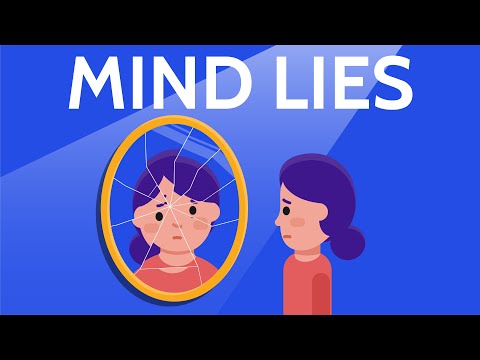
Hey, you ever catch yourself thinking some pretty wild stuff about a situation? Like, maybe you mess up at work and suddenly feel like you’re a total failure? It happens to the best of us.
The thing is, our minds can play tricky tricks on us. Those negative thoughts? They’re called cognitive distortions, and they can really skew how we see ourselves and the world around us.
But here’s the deal: challenging these thoughts can actually lighten up your mindset. Imagine waking up feeling more positive and less weighed down by self-doubt! Sounds nice, right?
So let’s chat about how to tackle those pesky distortions and find a happier way to think. It might just change your life—one thought at a time!
Understanding Cognitive Distortions: A Free PDF Guide to Recognizing and Overcoming Negative Thought Patterns
Cognitive distortions are like tricky little gremlins in your mind. They mess with how you see the world and yourself. Here’s the thing: we all have negative thought patterns sometimes, and that’s totally normal. But what if I told you that recognizing these patterns can be a game changer? Seriously!
First up, let’s break down what cognitive distortions actually are. They’re basically false or exaggerated beliefs about ourselves or situations that don’t match reality. When these distortions creep in, they can make you feel anxious, depressed, or just plain overwhelmed.
Why do they matter? Well, because understanding them can help you flip the script on your mindset! Here are some common cognitive distortions:
- All-or-Nothing Thinking: You see things in black-and-white terms. Like if you don’t ace that test, you think you’ve completely failed.
- Overgeneralization: One bad experience leads to believing it’ll happen again and again—like thinking you’ll always mess up in social situations after one awkward encounter.
- Catastrophizing: You blow things out of proportion. If someone doesn’t text back right away, it feels like the end of the world.
- Mental Filtering: You focus only on the negatives while ignoring positive experiences—like only remembering critical comments from a review instead of all the compliments.
Challenging these thoughts is key! So how do you do this? Start by taking note of when you’re feeling down or anxious, then ask yourself some questions: “Is this thought realistic?” “What evidence do I have?” “Am I overreacting?” This step is super important because it helps break the cycle.
But let’s get emotional for a second—think of a time when you’ve felt really low just because of your thoughts. Maybe you bombed a presentation and spiraled into thinking you’d never succeed at anything again. Those feelings suck! But they’re often based on distorted views rather than reality.
Once you’re aware of your cognitive distortions, you can challenge them. Replace those negative thoughts with something more balanced. Instead of saying «I always fail,» try «Sometimes I struggle, but I’m learning.» That shift can seriously lighten your mental load.
And hey, there are tons of resources to help with this process too! A free PDF guide could be super useful for diving deeper into recognizing these patterns and finding strategies to overcome them.
So remember: our minds can be sneaky sometimes, but with some practice and awareness, you’ve got what it takes to challenge those distorted thoughts and pave the way for a happier mindset!
Mastering Your Mind: A Complete Guide to Challenging Cognitive Distortions (Free PDF Download)
You know how sometimes your thoughts can feel like a rollercoaster? One minute you’re cruising along, and the next, you’re spiraling into some crazy stuff? That’s what cognitive distortions are all about. They’re basically ways our minds twist facts, making things seem worse or different than they really are. The cool part? You can challenge them!
Cognitive distortions are those pesky thoughts that lead you to see things in a negative light. They might pop up when you’re stressed or anxious, and they can seriously mess with your mindset. It’s like wearing a pair of glasses that only show you the bad side of life! But there’s good news: you can train yourself to spot those distortions and flip them around.
Let’s break down some common ones:
- All-or-Nothing Thinking: This is when you see things in black-and-white terms. Like, if you bomb a presentation, you think you’re a total failure. But hey, everyone makes mistakes. It doesn’t define your worth!
- Overgeneralization: Ever had one bad experience and thought it would happen again and again? Like getting rejected by someone and thinking you’ll never find love again? That’s overgeneralizing! Just because one thing didn’t go well doesn’t mean all will follow suit.
- Catastrophizing: This is when you blow things way out of proportion. You misplace your phone and suddenly it feels like the world is ending! Sure, it’s frustrating but it isn’t the end of everything.
- Emotional Reasoning: You might feel anxious about an upcoming event and think that means something bad will happen. Just because you’re feeling uneasy doesn’t mean there’s a reason to be!
- Should Statements: Telling yourself what you should or shouldn’t do ends up creating pressure. “I should be happier” just adds weight instead of helping! Focus on what *you want* to do instead.
Now let’s talk strategy for tackling these distortions head-on because it’s all about flipping that script!
Acknowledgment: The first step is recognizing when these thoughts creep in. Awareness is key here; once you notice them, it’ll be easier to challenge their validity.
Questioning: Ask yourself questions like: “Is this really true?” or “What evidence do I have to support this thought?” Dive deeper! You’ll often find out there’s less backing those negative thoughts than you assumed.
Reframing: This is where the magic happens! After questioning those negative thoughts, try replacing them with more balanced ones. Instead of “I failed,” try saying, “I learned something important for next time.” It changes everything!
It’s totally okay if this takes time; change isn’t immediate for anyone! But bit by bit, challenging these cognitive distortions can lead to a happier mindset.
Think about it—imagine sitting on your couch after a long day feeling overwhelmed by just life in general. Suddenly all those nagging thoughts bubble up: You’re never going to make your dreams come true; you’ll always struggle with friendships; what’s the point in trying anything new? Well, if you’ve done some work on recognizing those patterns and reframing them, you’d sit back and go: «Hold on—let’s rethink this!»
There’s power in this practice—for real! Challenging cognitive distortions isn’t just about thinking positively; it’s about thinking clearly and fairly so that life feels more manageable.
So keep practicing this mental workout. And if there’s ever a PDF download floating around that helps guide through challenging cognitive distortions—grab it! Whatever tools help keep your mind sharp are worth having handy when the going gets tough.
Just remember: mastering your mind takes time but will lead to building resilience against life’s ups and downs. Hang in there—you got this!
Free Cognitive Distortions Worksheet PDF: Enhance Your Mental Wellness
Cognitive distortions can be quite a trip, you know? They’re basically those pesky thoughts that twist reality, making you see things in a totally negative light. Think of them as little gremlins messing with your mind. In the world of mental health, recognizing and challenging these distortions is key to feeling better and enhancing your mental wellness.
So, what are some common cognitive distortions? Here’s a quick rundown:
- All-or-Nothing Thinking: This is when you see situations in black or white. If you’re not perfect, you feel like a total failure.
- Overgeneralization: One bad event turns into believing that everything will go wrong forever. Like failing one test and thinking you’ll fail all future ones.
- Mind Reading: You believe you know what others are thinking about you without any proof. It’s like assuming your friend is mad at you when they’re just having a bad day.
- Catastrophizing: When something goes wrong, it’s the end of the world. Spilling coffee on your shirt? Now you’re convinced you’re going to ruin the whole day.
These thought patterns can seriously mess with your mood and outlook on life. I remember talking to my friend Sarah after she bombed an interview. Instead of seeing it as just one setback, she spiraled into thinking she’d never get hired anywhere—like she was doomed! We sat down together, went through her thoughts, and it helped her realize she was overgeneralizing.
Now, here’s where things get interesting: challenging these distortions can lead to a happier mindset! A free cognitive distortions worksheet can be super helpful in this process. It helps you identify those negative thoughts and then gives space to think about how valid they really are.
Using a Cognitive Distortions Worksheet
When using a worksheet, you might follow steps like:
- Identify: Write down the negative thought that’s bothering you.
- Challenge: Ask yourself if this thought is based on facts or assumptions.
- Reframe: Think of a more balanced or positive way to view the situation.
So basically, let’s say you’re convinced everyone hates your work presentation (mind reading!). You could write that down in the worksheet and challenge it by asking what evidence you have for that thought. Maybe some folks actually complimented you after! Then you’d reframe it like this: “Some people might not have liked my presentation, but that doesn’t mean everyone thinks I’m terrible.”
The cool part is that doing this regularly can help build healthier thinking habits over time. It’s kind of like working out for your mind!
You don’t need fancy tools; just print out something straightforward or jot notes in your journal. The goal is simple: recognize those cognitive traps and break free from them—step by step.
With practice and persistence, you’ll find yourself feeling lighter as these distortions lose their grip on your mental wellness. Who wouldn’t want that?
So, let’s chat about cognitive distortions for a second. You know the moments when you catch yourself spiraling into negative thinking? Yeah, that’s what I mean. Sometimes our brains play tricks on us, convincing us that we’re not good enough or everything is always going to go wrong. It’s like your mind is running a drama series where you’re the star and the plot twists are all doom and gloom.
I remember this one time when I bombed a presentation at work. Seriously, I thought it was the end of the world! My mind raced with thoughts like “I’ll never get promoted” or “What if they think I’m incompetent?” But looking back, it was such an overreaction. But in the moment, my brain was convinced that this was my life story and no good would come from it. Those silly cognitive distortions were hogging all my mental space.
Challenging these thoughts isn’t easy. It’s like wrestling with an octopus — they keep popping up no matter how hard you try to push them away! Still, making an effort is super important if you want a happier mindset. One thing that really helped me was questioning those pesky beliefs: Is there real evidence for this thought? Am I jumping to conclusions without seeing the full picture? It turned out that most of the stuff I worried about just wasn’t true.
You might find it helpful to flip things around too. Instead of thinking “I’m a failure,” try saying “I made a mistake, but I can learn from it.” When you challenge those distorted thoughts regularly, bit by bit, they lose their power over you. It’s like shining a light in a dark room; suddenly everything seems more manageable.
So next time your mind starts playing those negative reruns, just pause for a sec and reframe it. You’ve got this! Your reality isn’t written in stone; it can be edited. The more you challenge those distortions, the closer you’ll get to a clearer and happier mindset. And honestly? That sounds pretty awesome.