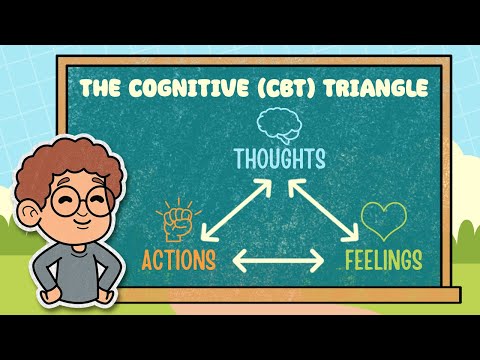
You know, emotions can be wild sometimes. One minute you’re on top of the world, and the next you’re just…not. It’s confusing, right?
But have you ever thought about how your brain processes these feelings? That’s where cognitive emotion comes in. It’s like a little behind-the-scenes magic show happening in your head.
Understanding this stuff is super important for mental health, though. Seriously! Knowing how we think about our emotions can help us tackle life’s ups and downs a bit better.
So let’s chat about it! I promise it’ll be way more interesting than it sounds at first glance.
Understanding Cognitive Emotions: The Connection Between Thoughts and Feelings
Cognitive emotions are like the bridge between what you think and how you feel. They show us that our thoughts can really shape our emotional experiences. So, when you’re feeling down, it might help to take a step back and look at what you’re thinking.
Cognition refers to mental processes like perception, reasoning, and judgment. Basically, it’s how we understand and interpret the world around us. When these processes run into feelings or emotions, it’s a beautiful mess of connections. Imagine sitting in a cafe. You see someone smiling, and your brain might think they’re happy because of something nice that just happened. That thought could make you feel happy too!
Now let’s get into why this matters for mental health awareness. Emotions can sometimes feel overwhelming, and we might not always realize that our thoughts can influence those feelings deeply.
- Thought Patterns: Negative thinking patterns can lead to feelings of anxiety or depression. If you’re constantly telling yourself «I’m not good enough,» guess what? You’re likely to feel pretty crummy about yourself.
- Cognitive Behavioral Therapy (CBT): This is where therapists help you change those negative thought patterns. By challenging unhelpful thoughts, you can change the way you feel.
- Emotional Regulation: Understanding the link between cognition and emotion enables better emotional regulation. If you know that your thoughts spark certain emotions, you can learn to manage those feelings more effectively.
You know how sometimes when you’re angry or sad about something, your brain starts to spiral? Like maybe after an argument with a friend? All those negative thoughts start piling up—“They don’t care about me,” “I’m such a loser for not saying anything.» That’s cognitive emotion in action! Your thoughts are fueling your emotional response.
Taking a moment to question those spiraling thoughts can be super helpful. Maybe ask yourself: “Is this really true?” Or “What evidence do I have for this thought?” Shifting your perspective could lead to feeling less stressed out.
Cognitive emotions also play a role in resilience. Resilience is all about bouncing back from tough situations. By recognizing how your thinking impacts your feelings, you’re setting the stage to handle challenges better.
In relationships too, cognitive emotions affect how we connect with others. If someone thinks their partner is being distant, they might feel rejected even when that’s not true at all! Recognizing these connections helps improve communication—how cool is that?
So basically, understanding cognitive emotions is like having a toolkit for life’s ups and downs. It empowers you to explore why you’re feeling the way you are by digging into the underlying thoughts driving those feelings.
People often underestimate their ability to change emotions through thought shifts! Just remember: it’s okay not to have everything figured out all at once—it takes practice! So hang in there as you untangle those messy threads of thought and emotion; you’re doing great.
The Impact of Cognitive Processes on Mental Health: Understanding the Connection
So, let’s talk about how our thoughts and the way we process them really play a big role in our mental health. It’s like this dance between what we think, how we feel, and ultimately how we act. You know?
Cognitive processes are basically the mental activities involved in thinking, knowing, remembering, and solving problems. They shape our perceptions of situations. When you wake up feeling like the day is going to suck because you didn’t get enough sleep, that thought can set a tone for everything that follows. Like a domino effect—one thought knocks over the next.
Cognitive distortions are one of those sneaky culprits. These are negative thought patterns that twist your perception of reality. Imagine you miss out on an opportunity at work and suddenly think you’re a total failure. That’s not just tough on your self-esteem; it can lead to feelings of anxiety or depression too.
Now here’s where cognitive emotion comes into play. It’s about how our thoughts influence our emotional responses. For instance, if you’re constantly telling yourself that others don’t like you, that feeling of rejection can be overwhelming—even if it’s not true! This connection between thoughts and feelings is super crucial for understanding ourselves better.
When we’re aware of these cognitive processes and distortions, it gives us some power back—like having a flashlight in a dark room. You start recognizing those negative thought patterns as they pop up instead of getting lost in them. So recognizing when your brain is playing tricks helps a lot with managing mental health issues.
Now consider therapy approaches like Cognitive Behavioral Therapy (CBT). This focuses on changing negative thought patterns to improve emotional wellbeing. Think of it as retraining your brain to see things in a more balanced way—like switching from black-and-white thinking to color! The goal is to help shift those distorted beliefs into more realistic ones.
And then there’s self-talk—not just chit-chatting with yourself but really being mindful about it! Positive self-talk can boost your mood and help cope with stressors throughout the day. Instead of saying “I’ll never get this right,” try flipping it around: “I might struggle now, but I’m learning.” It seems small but trust me—it makes a difference.
Also, emotions themselves aren’t bad; they’re signals telling us something important! Feeling anxious before an exam? That might actually push you to study harder! But if anxiety becomes overwhelming or chronic, well then it’s time to take notice.
On top of that, mindfulness practices have gained traction for enhancing awareness around cognitive processes without judgment. Just being present allows you to observe thoughts come and go without getting attached or overwhelmed by them—you know?
So when we look at cognition’s impact on mental health overall, it’s all about understanding these connections better: what you’re thinking influences how you’re feeling which then affects what you’re doing—and vice versa! Whether through therapy or practicing mindfulness or boosting positive self-talk—paying attention to these processes can seriously change the game for achieving better mental health outcomes.
Understanding the Connection: The Role of Cognition in Shaping Emotions
Cognition and emotions are like dance partners, moving together in a rhythm that shapes how we feel. When we think about something, our thoughts can totally influence our emotions—sometimes for better, sometimes for worse. Basically, what you’re thinking can change how you feel about a situation.
Our thoughts can act like a filter for our experiences. Say you get criticized at work; if you think, “I always mess things up,” it’s likely to make you feel pretty down. But if you pause and think, “This is just one opinion and I’m still learning,” that could help lift your mood somewhat. Cognitive patterns often determine emotional responses.
Now, let’s break down some key points about cognition and emotions:
- Cognitive Distortions: These are like mental hiccups where you might twist reality into something more negative than it really is. Things like overgeneralizing (making broad conclusions from one event) or catastrophizing (expecting the worst-case scenario) can lead to feelings of anxiety or sadness.
- Awareness: Being aware of your thoughts can be super powerful! Once you notice those sneaky cognitive distortions creeping in, you can challenge them. It’s like turning on a light in a dark room; things suddenly get clearer.
- Reframing: This is where the magic happens! You take a situation and look at it from another angle to change your emotional response. For instance, if you’re nervous before giving a speech, instead of thinking “I’m going to fail,” try telling yourself “This is my chance to share what I know.”
- Cognitive Behavioral Therapy (CBT): This popular therapy works on this whole connection between thought and feeling. A therapist helps guide you through identifying negative thought patterns and replacing them with healthier ones. Seriously helpful stuff!
Let me tell ya, I remember when my friend Samantha was having a tough time with social anxiety. Every time she thought about going out, her brain would race with worries: «What if I embarrass myself?” or “Everyone’s gonna judge me.» But once she started challenging those thoughts—thinking of times when she actually had fun—it made all the difference! Cognitive shifts helped her enjoy outings more.
Understanding this connection between cognition and emotion isn’t just a fancy psychology concept—it’s vital for mental health awareness too! When folks realize their thoughts play such a huge role in feelings, they might be more inclined to seek help or try strategies that promote emotional well-being.
In the end, being mindful of how your thoughts shape your feelings isn’t just empowering; it opens up pathways for growth and healing. And who doesn’t want that? It’s all part of understanding yourself better!
So, let’s chat about cognitive emotion and why it’s super important when we’re trying to understand mental health. You know those days when your brain is kind of running the show, turning little bumps in the road into major mountain ranges? Yeah, that’s cognitive emotion at play.
It’s wild how our thoughts can twist our feelings, right? Think back to a time when you had a tough day. Maybe you messed up at work or had an awkward conversation with a friend. Suddenly, your mind goes into overdrive, telling you all sorts of things—like how you’re a failure or nobody likes you. That’s cognitive emotion doing its thing. And it can be such a tricky beast since it leads us down these negative paths without us even realizing it.
Now, this brings us to mental health awareness—an area that needs all the attention we can give it. When we understand how our thoughts affect our emotions, we start to see patterns that help us identify when we’re spiraling out of control. Let me share something with you: I once knew someone who dealt with anxiety and felt like they were stuck in this endless loop of negative thoughts. They didn’t realize just how much their interpretation of events was influencing their emotional state until they started talking about it in therapy.
Once they got more aware of the connection between their thoughts and feelings, it was like a light bulb went off! They learned to challenge those major catastrophes from their minds and replace them with more balanced viewpoints. It didn’t fix everything overnight—but boy, did it change the game for them.
That kind of self-awareness is key not only for individuals but also for spreading awareness around mental health as a whole. When people know about cognitive emotions and how they work, they’re better equipped to maintain their mental well-being and help others do the same.
Understanding this stuff really opens up conversations and helps break down the stigma around mental health issues. So yeah, cognitive emotions are not just some fancy psychology term; they’re practically everyday superheroes in helping people navigate their emotional landscapes!