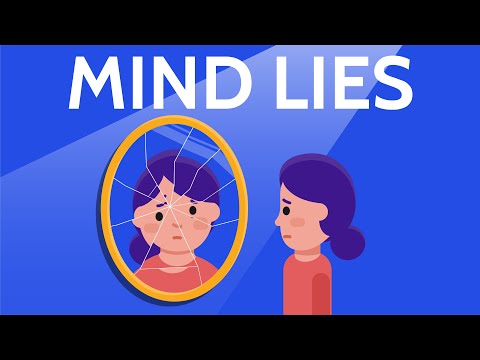
You know those moments when your brain just seems to play tricks on you? Like, you’re convinced everyone’s judging you or that you’ll totally mess up that big presentation at work? Yeah, that’s not just you.
We all have these little cognitive errors—think of them as mental hiccups. They can really mess with how we see ourselves and the world around us. And trust me, recognizing them can be a game changer.
So, what are these wacky thoughts we keep having? Let’s dig into some common ones. Trust me, it’ll make you feel a lot less alone in this crazy thing called life.
Exploring the Different Types of Cognitive Errors in Psychology: A Comprehensive Guide
Cognitive errors, or thinking errors, they’re basically little mental shortcuts that can mess with our heads. They shape the way we view the world and can lead to misunderstandings about ourselves and others. If you’ve ever caught yourself thinking something like, «I always screw up,» or «Everyone hates me,» then you’ve probably dipped your toes into this pool of cognitive traps.
So, let’s break down some of the main types of cognitive errors:
- All-or-Nothing Thinking: This is where you see things in black and white. You either do something perfectly or it’s a total failure. For instance, if you don’t get an A on a test, you might think it was worthless to study at all.
- Overgeneralization: It’s like blowing things out of proportion. One bad experience leads you to believe that every similar situation will end badly too. If someone cancels plans with you once, you might start thinking nobody wants to hang out with you.
- Mental Filter: This is when you focus only on the negative aspects of a situation while ignoring the positive ones. Say your friend gives you feedback on your presentation—if they mention one small flaw, that’s the only thing you’ll remember.
- Discounting the Positive: Kind of like mental-filtering but more about rejecting good stuff about yourself. If someone says nice things about your work, you shrug it off as just being polite.
- Jumping to Conclusions: You’re making assumptions without all the evidence. Like if your partner doesn’t text back immediately, and suddenly you’re convinced they’re upset with you.
- Mind Reading: Similar to jumping to conclusions but more personal—you think you know what others are thinking without them saying anything at all. Someone gives a neutral response in conversation, and you decide they dislike you.
- The Should Statements: These are rules we set for ourselves that can feel heavy as lead! «I should be more successful» or «I ought to do better» creates so much pressure that can really lead to feeling guilty or anxious when we fall short.
- Personalization: Here’s where people take responsibility for things they couldn’t control; if your friend is in a bad mood, maybe we think it’s because we did something wrong.
Understanding these errors isn’t just for fun—recognizing them helps us challenge those thoughts and shift our perspective! For example, let’s say you’ve been feeling overwhelmed at work lately and start telling yourself you’re just no good at your job. But if you can recognize that all-or-nothing thinking there—the truth is nobody’s perfect! Maybe there’s just room for growth!
Sometimes breaking free from these patterns takes practice. You might need some support along the way too—like talking it out with someone who gets where you’re coming from or even seeing a therapist who specializes in cognitive-behavioral techniques.
If any of this feels familiar—or maybe hits too close to home—that’s normal! Just remember: everyone experiences cognitive errors sometimes; acknowledging them is simply one step toward better mental health and understanding yourself better overall! It makes all those tangled thoughts feel less scary when you’ve got a name for them, right?
Understanding the 12 Cognitive Distortions: A Guide to Improving Mental Health
Cognitive distortions are like those annoying little gremlins in your mind that twist your thoughts and mess with your mental health. They can make everything feel heavier, you know? Understanding them can seriously help you see things more clearly and feel better. Let’s break down twelve of these distortions so you can catch them when they pop up.
1. All-or-Nothing Thinking
This one’s like flipping a light switch: it’s either on or off. You think in extremes and if something isn’t perfect, it feels like a total failure. For example, if you didn’t ace a presentation at work, you might believe you’re completely useless at your job.
2. Overgeneralization
Here’s where one bad experience turns into a life sentence. So, if someone didn’t respond to your message, you might think no one ever likes you or cares about you. It’s kind of like wearing blinders that only let you see the worst.
3. Mental Filter
With this distortion, it’s like having a lens that only shows the negatives while filtering out all the positives around you. A simple compliment gets drowned out by one critical comment. You know? It makes everything feel heavier than it is.
4. Discounting the Positive
When good stuff happens, you might brush it aside as “no big deal.” Like getting praise but thinking “they didn’t really mean it.” This can totally warp how you view yourself and your achievements.
5. Jumping to Conclusions
You make assumptions without any solid evidence—like reading someone’s mood based on their facial expression alone. Imagine thinking someone’s upset with you just because they didn’t wave back when they were probably distracted.
6. Catastrophizing
This is where small hiccups become dastardly disasters in your head. If you’re late to a meeting, suddenly you’re imagining losing your job or everyone hating you forever! Crazy how our minds can spiral so fast!
7. Personalization
You take everything personally—like believing that problems around you must be your fault, even when they’re not related to you at all! It’s exhausting feeling responsible for others’ lives.
8. Labeling and Mislabeling
Instead of saying “I made a mistake,” you’d slap on a label like “I’m such an idiot!” This takes a single moment and turns it into an entire identity! And y’all, that ain’t fair to yourself!
9. Should Statements
These are those pesky “shoulds” that create pressure: “I should have done this” or “I shouldn’t feel that way.” They often leave us feeling guilty for being human instead of just accepting our own experiences.
10. Emotional Reasoning
This is when emotions take the wheel completely—like thinking «I feel anxious; therefore something bad will happen.» These feelings can mislead us into truly believing things that aren’t grounded in reality.
11. Fallacy of Change
You might find yourself wishing others would change so that you’ll be happy—believing «if only my partner was different.» This places pressure on external circumstances instead of fostering happiness from within yourself.
12. Always Being Right
You cling tightly to being right all the time and end up dismissing other perspectives just because they differ from yours! Feeling triumphant about being correct can come at the cost of meaningful connections with others.
Recognizing these cognitive distortions is super important for improving your mental health! When we notice them happening in real-time, we can challenge those thoughts and shift toward more balanced ways of thinking instead of getting stuck in negativity traps all day long! So next time you’re feeling overwhelmed by negative thoughts, remember: you’re not alone! Catch those gremlins before they take over!
10 Common Thinking Errors That Impact Your Mental Health and How to Overcome Them
Okay, so let’s talk about thinking errors. You know, those sneaky little thoughts that crop up and mess with your head? They can really put a dent in your mental health. If you’ve ever found yourself spiraling after a tough day or just feeling off for no reason, some of these might be at play.
1. All-or-Nothing Thinking
This is when you see things in black and white. Like, “If I’m not perfect, I’ve failed.” Ever bombed a presentation and thought you’d never succeed again? Yeah, that’s this one. Try to find the gray areas. Focus on improvement instead of perfection.
2. Overgeneralization
Here’s where you take one negative experience and blow it up to “this always happens.” So you fail one test and think you’re going to fail every single one forever. Stop, take a deep breath, and remind yourself that one instance doesn’t define all outcomes.
3. Mental Filtering
This is when you focus only on the negative aspects while ignoring the positives. Like going out with friends but fixating on the one awkward moment instead of all the laughs shared! Challenge yourself to list three good things from your day.
4. Disqualifying the Positives
You get a compliment but brush it off as “they’re just being nice.” It’s like denying validation! Acknowledge praise; let it sink in! Seriously, just say “thank you” and let it be enough.
5. Jumping to Conclusions
You might think someone’s upset with you without any proof—classic mind-reading error! Remember: their mood could have nothing to do with you at all! Ask someone if something’s wrong instead of assuming.
6. Catastrophizing
Oh boy, this is where your brain goes full-on drama mode—like thinking a small mistake will ruin everything forever. The trick here is reality-checking your fears—ask yourself what’s likely to happen really.
7. Personalization
Taking things personally can make life feel heavy sometimes. If your friend cancels plans, it doesn’t mean they don’t like you! Instead, remind yourself people have busy lives—you’re not the center of every situation.
8. Should Statements
Telling yourself “I should have done this” or “I shouldn’t feel that way” puts pressure on you! It makes it hard to accept who we are as imperfect humans doing our best, right? Try swapping those shoulds for coulds; gives more freedom!
9. Emotional Reasoning
Ever thought “I feel anxious about this meeting; therefore it must go badly”? Your feelings don’t always reflect reality—things can go well even if you’re nervous! Challenge those feelings with logic: what evidence do I have?
10. Labeling
Calling yourself names like «loser» or «failure» after mistake isn’t helpful at all—it sticks with us too long! Focus on actions rather than labels; say “I made a mistake” instead of defining yourself by it.
So how do we deal with these errors? Well, awareness is key—just recognizing they’re happening can help shift your mindset over time. Plus journaling could be super useful here; write down these thoughts when they pop up and challenge them right there on paper!
Take care of your mind; it’s worth every bit of effort.
Cognitive errors, or cognitive distortions, are pretty fascinating and a bit tricky. They’re basically like those little glitches in our thinking that mess with how we perceive the world or ourselves. You know how sometimes you might find yourself spiraling into negative thoughts? Yeah, that’s often a cognitive error in action.
Take my friend Sarah, for example. She went through a tough breakup and suddenly thought she would never find love again. She started believing that it was all her fault and that nobody would ever want her. That’s an example of “catastrophizing,” where you blow things way out of proportion. Her mind painted this bleak picture, and it took some serious talking to get her to see things from a clearer perspective.
One common error is “all-or-nothing thinking.” It’s like looking at life in black and white—if you’re not perfect, then you feel like a complete failure. For people struggling with anxiety, this can be particularly harsh. They might think that unless they can calm down completely before presenting at work, they’ll screw up the whole thing. But hey, who achieves perfection all the time? So it sets them up for disappointment.
Then there’s “mind reading.” This one is wild because it involves assuming what others think about you—often negative stuff! Ever walked into a room and felt like everyone was judging you? That might just be your brain playing tricks on you! I mean, isn’t it amazing how our minds can conjure such elaborate scenarios?
Being aware of these cognitive errors is like having glasses to see things more clearly. Therapy can help with recognizing these patterns too; it’s not about eliminating bad thoughts altogether but rather changing how we interpret them. So like my friend Sarah learned, it’s possible to shift gears in your mind and start seeing that maybe love isn’t as far off as she thought.
So yeah, I guess the takeaway here is: Our thoughts aren’t always trustworthy—kind of like that friend who always offers unsolicited advice! Taking a step back to question those thoughts can really help make things feel less overwhelming and more manageable. Just something to keep in mind!