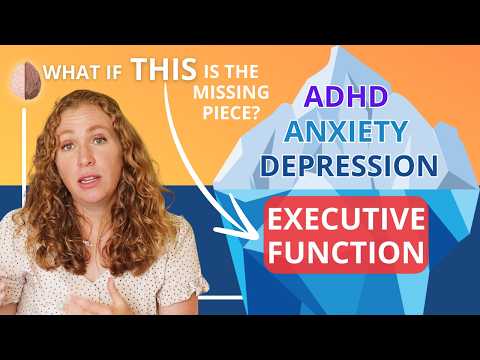
So, let’s talk about something you might not have heard of: cognitive executive dysfunction. Sounds fancy, right? But it’s really just about how our brain handles stuff like planning, focus, and decision-making.
You know those days when your brain feels like it’s stuck in mud? Everything takes forever, and simple choices seem impossible? Yeah, that’s kinda what we’re diving into here. It’s not just annoying; it can mess with your life in some pretty big ways.
Imagine trying to organize a birthday party but struggling to even pick a date. Or maybe work feels like climbing a mountain because your mind keeps wandering every few seconds. Frustrating, huh?
Well, there’s hope! Understanding this can be a game changer for folks navigating mental health challenges. You’re not alone in this struggle—I promise. Let’s unpack it together!
Understanding Executive Dysfunction: A Comprehensive Guide to Testing and Assessment
Executive dysfunction can feel like a foggy day in your brain. You know, when everything feels just a bit harder than it should be? This term refers to difficulty with managing thoughts and actions, making it tough to plan, focus, or even start completing tasks. It’s often tied to mental health conditions like ADHD or anxiety. But understanding it better can really help a lot.
Testing and Assessment for executive dysfunction usually involves several steps. First off, a mental health professional will chat with you about your symptoms and experiences. They might ask questions about day-to-day tasks—like how you manage time or handle responsibilities. It feels kind of like an informal interview more than a test.
Then comes something called standardized assessment tools. These are structured tests designed to measure specific aspects of executive function. They may involve tasks where you have to solve problems, remember lists, or switch between different activities. Think of it like playing brain games but with a more serious purpose behind them.
- Behavioral Observations: Besides tests, professionals often look at how you act in real-life situations. You know? Watching how you handle tasks at home or work can reveal patterns that tests might miss.
- Self-Reports: You might also fill out questionnaires that help reflect on your own experiences with organization, focus, and impulse control. These self-reports can provide additional context that others might not see.
- Interviews with Others: Sometimes they’ll talk to people close to you—family members or teachers—to get their take on your behavior and performance in various settings.
The results from these assessments can give insight into specific areas where you’re struggling. For example, if planning is difficult for you but decision-making isn’t too bad, this helps tailor interventions just for your needs.
This brings us to intervention strategies. Depending on the assessment outcomes, professionals may suggest different approaches like therapy focusing on skill-building or using planners and reminders to stay organized. Medications could also be part of the mix if they feel it’s necessary.
An anecdote that illustrates this is about Sarah—a friend who always felt overwhelmed by her daily tasks. After seeking help, she learned through testing that her struggles mainly stemmed from weak planning skills rather than lack of motivation. With targeted strategies in place—like breaking down large projects into teeny tiny steps—she found herself navigating her days much smoother!
The whole process of understanding executive dysfunction sounds daunting but it’s all about finding clarity on how your mind works! The more we understand ourselves, the easier it gets to figure out what tools we need in our toolbox.
If you think you might relate to some of this stuff? Reaching out for an assessment could be one step toward feeling more yourself again! Seriously; understanding what’s going on is half the battle won!
Understanding Executive Dysfunction: Real-Life Examples and Insights
Well, executive dysfunction can feel like trying to drive a car with a flat tire. You know you’ve got somewhere to go, but every little thing seems to be a struggle. Basically, it’s when your brain’s «executive» functions—like planning, organizing, and prioritizing—don’t work the way they should. This can happen due to a variety of mental health issues like ADHD, anxiety disorders, or depression.
To put it simply, executive functions are like the conductor of an orchestra. They help coordinate all the different parts of your mind so they play nice together. When that conductor is out sick? Yeah, things can get pretty chaotic.
Imagine waking up in the morning and having the intention to start your day off right. You plan to make breakfast, go for a jog, then tackle that mountain of laundry waiting for you. But as soon as you get out of bed? You feel paralyzed by just deciding what to do first! And that laundry? It might end up being ignored for days or even weeks.
Here are some key points about executive dysfunction:
- Difficulty with Organization: You might find it tough to keep track of appointments or even lose important items like keys or your phone.
- Struggling with Time Management: Procrastination becomes your best friend. Deadlines creep up on you because you can’t seem to prioritize tasks.
- Impulsivity: Making decisions on a whim can lead to regrettable choices—purchasing something expensive because it looks good at the moment or saying something hurtful without thinking.
- Forgetfulness: Important details might slip your mind regularly. Like forgetting what you were just about to say in a meeting or not recalling where you parked your car.
- Trouble with Emotional Regulation: You may find it hard to manage emotions effectively leading to outbursts or withdrawal when things get overwhelming.
So let’s bring this down into real-life vibes. Picture someone who’s got a big presentation at work but just can’t seem to find the motivation or focus needed to prepare properly. They intend to work on their slides but end up scrolling through social media instead—or worse! Just staring blankly at their screen for hours.
Sometimes it feels like everyone else around you has this magical ability to juggle tasks and still be cool about it while you’re stuck in slow-mo mode. It’s frustrating and isolating!
Now here’s where it gets interesting; there may be ways around these struggles! Techniques like breaking tasks down into smaller steps can help lighten the load—and hey, using tools like planners or smartphone reminders might also keep you on track.
Overall, understanding executive dysfunction is all about recognizing that these challenges are valid and not merely laziness or lack of willpower. It’s kind of like having a software glitch; sometimes those functions need refreshing before they start working smoothly again!
Understanding Executive Dysfunction: Causes, Symptoms, and Coping Strategies
Understanding Executive Dysfunction can really help you navigate some tricky waters in mental health. So, what’s going on here? Basically, executive dysfunction is when your brain struggles to manage everything it needs to do—like planning, organizing, and even regulating emotions. You know how sometimes you sit down to do something important, but suddenly feel like your brain is stuck in neutral? That’s a taste of executive dysfunction.
Causes
There are a bunch of factors that can lead to this issue. Some common ones include:
- ADHD: Folks with Attention-Deficit/Hyperactivity Disorder often experience executive dysfunction. It’s like your brain has too many tabs open at once.
- Anxiety & Depression: These mental health conditions can create fuzzy thinking, making it tough to focus and follow through.
- Trauma: Experiencing trauma can disrupt how your brain processes information and regulates emotions.
- Neurological Conditions: Things like autism spectrum disorder or traumatic brain injury also play a role in executive functioning.
Symptoms
So, how do you know if you’re dealing with it? Symptoms vary from person to person but usually show up as:
- Poor Planning: You might struggle to break tasks into manageable steps. Sometimes it feels impossible just to start.
- Easily Distracted: It’s like that friend who keeps getting sidetracked when you’re trying to have a serious conversation.
- Poor Time Management: Deadlines sneaking up on you out of nowhere? Yeah, that could be a sign!
- Difficulties with Emotional Regulation: One minute you’re fine; the next, you’re all over the place emotionally. Hello rollercoaster!
Coping Strategies
Alright, so what can you do about it? Here are some coping strategies that might help:
- Break It Down: For tasks that seem huge or overwhelming, try chopping them into bite-sized pieces. Like eating an elephant one bite at a time!
- Create Routines: Consistent daily routines can serve as anchors for your day and make things feel less chaotic.
- Visual Aids: Using lists or calendars can keep the important stuff right in front of you—outta sight outta mind doesn’t cut it here!
- Meditation & Mindfulness: Seriously! Taking time to center yourself can improve focus and reduce anxiety. Just a few minutes here and there can really help clear the fog.
Remember that everyone experiences some level of executive dysfunction at times. But if it’s drastically affecting your life—like hitting roadblocks daily—it might be worth chatting with a mental health professional. They could offer personalized strategies or even suggest therapies that target these specific challenges.
Executive dysfunction doesn’t define who you are. It’s just another piece of the puzzle in understanding mental health!
Cognitive executive dysfunction can feel like you’re trying to run a race with your shoelaces tied together. You know what you want to do, but somehow, completing tasks can feel like climbing a mountain. It’s all about that part of the brain that helps us plan, make decisions, and manage our time—things most folks just do without thinking twice.
I remember a friend of mine who was really struggling at work. She was smart and talented but kept missing deadlines and getting lost in her own thoughts during meetings. It wasn’t that she didn’t care; it was just hard for her to organize what she needed to do. There were days when just keeping track of her daily tasks felt overwhelming. That’s when we started talking about cognitive executive dysfunction.
It isn’t a standalone issue either; it often shows up in conditions like ADHD, anxiety, depression—many faces of mental health problems. You might have trouble prioritizing what needs to be done or even sticking to a plan that you set for yourself. There’s this frustration of wanting to be productive but feeling like there are invisible walls blocking the way. Like you’re standing in front of an open door but can’t quite push it open.
What really gets me is how people often misunderstand this condition. It’s not laziness or lack of willpower; it’s more complex than that. Imagine having a cluttered desk where everything is everywhere—you know there’s an important document hiding in there somewhere, but good luck finding it! That clutter creates mental chaos that prevents clear thinking.
So when someone says they’re battling executive dysfunction, it’s important to listen without judgment. Support makes all the difference—a little patience goes a long way when helping someone find their footing again. And if you’re experiencing this yourself, remember you’re not alone; a lot of folks are navigating through similar struggles.
Navigating life with cognitive executive dysfunction is definitely tough, yet with the right strategies (and maybe some therapy), it can get easier over time. Just take it one step at a time—you’ll eventually find your rhythm again!