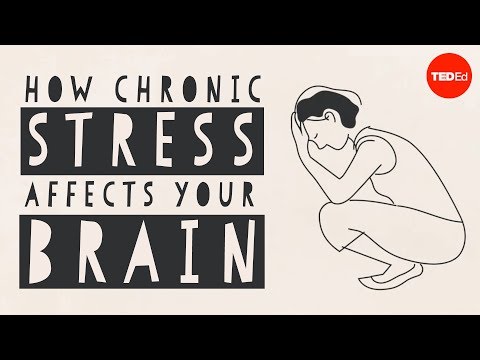
You know those days when your brain just feels, well, fried? Like you can’t think straight or focus on anything? That’s cognitive fatigue.
It sneaks up on you, often when you least expect it. You might think you’re resting, but your mind keeps racing.
And let me tell you, it can hit hard. It affects not just your thoughts but your mood and overall mental wellbeing too.
Imagine feeling drained after a long meeting or a tough study session— that’s exactly what I’m talking about.
We’re gonna break down why it happens, how it makes you feel, and what you can do about it. Sounds good? Cool!
Understanding Cognitive Fatigue: Impact on Mental Health and Daily Life
So, let’s chat about cognitive fatigue, okay? It’s one of those things that kind of creeps up on you, and you might not even realize it’s happening. Basically, cognitive fatigue is like when your brain runs out of steam. You know how your legs feel tired after a long run? Well, it’s kind of like that for your mind.
When you’re dealing with cognitive fatigue, it can really mess with your mental health. You might feel overwhelmed or have trouble focusing on stuff. Just think about those days when you’ve been at work or school for hours and can’t seem to process one more email or equation. It’s not just about being lazy; it’s a real thing happening in your brain.
What causes cognitive fatigue? There are a few usual suspects:
- Extended periods of focus on tasks, especially those that require deep thinking.
- Lack of sleep or poor-quality sleep can amplify how drained you feel.
- Chronic stress from work, relationships, or life events adds up over time.
- Even multitasking—trying to do five things at once—can wear you out mentally.
You might notice that when your brain is tired, small things start to feel way harder than they should. For example, you could be staring at a book page for ages but not absorbing anything. That moment when you’re rereading the same sentence because your mind keeps wandering? Yup, that’s cognitive fatigue waving its little white flag.
Now here’s the kicker: this isn’t just annoying; it can spill over into your daily life and mental wellbeing. When you’re cognitively fatigued:
- Your mood might take a dive—you could feel irritable or just blah.
- You could become less motivated to do things you normally enjoy. Like for me—some days even scrolling through social media feels exhausting.
- Your relationships might suffer because you’re not fully present when you’re around others.
Let me tell you about my friend Jamie. Jamie was juggling college classes and a part-time job while also trying to maintain an active social life. At first, she thought she was just busy but soon realized she was always on edge and couldn’t focus during lectures anymore. She felt like she was moving through fog all the time! Eventually, she decided to take a break from her job and set clearer boundaries with her studies—and wow did that make a difference! Her energy slowly came back.
Managing cognitive fatigue isn’t just about resting up—it also means finding balance in how you live day-to-day. Here are some ideas:
- Pace yourself by breaking tasks into smaller chunks instead of going full throttle all the time.
- Prioritize quality sleep and make sure you’re catching enough zzz’s each night.
- Incorporate breaks throughout your day—even five minutes away from your screen can help reset your brain!
Keep in mind that if cognitive fatigue sticks around or starts interfering too much in life—like making everything feel heavy—it might be worth chatting with someone who gets this stuff. Seriously! Mental health is important; don’t hesitate to reach out if you need support.
So yeah, understanding cognitive fatigue is key to keeping yourself feeling good mentally. Your brain deserves some TLC too!
Exploring the Impact of Fatigue on Mental Health: Understanding the Connection
Fatigue can be a sneaky little monster, can’t it? It sneaks up on you when you least expect it, turning your daily grind into an uphill battle. You know those days when even getting out of bed feels like lifting a car? Yeah, that’s what fatigue does—it messes with your mind just as much as your body.
So, there’s something called cognitive fatigue, and it’s not just feeling sleepy. It’s more like when your brain decides to run on empty. Imagine trying to think through a thick fog—it’s tough to focus or make decisions. You might find yourself losing your train of thought mid-sentence or staring blankly at the wall for way too long. Not fun, right?
And let me tell you, cognitive fatigue doesn’t just stop at being tired; it can seriously mess with your mental well-being. When you’re feeling drained mentally, it can lead to irritability or even anxiety. You might snap at friends or family for no good reason, and then feel guilty later—I’ve been there! It’s like this endless cycle that just feeds into itself.
Now think about all the demands life throws at us—work stresses, family responsibilities, social obligations—all of that can pile up and contribute to fatigue. When your brain is working overtime trying to manage everything, that fog gets thicker and thicker until all you want is a nap… or maybe several naps.
But here are some things worth noting about the impact of fatigue on mental health:
- Decreased Motivation: When you’re fatigued, even things you love doing can feel like chores.
- Cognitive Impairment: You might experience trouble concentrating or recalling information.
- Mood Changes: Fatigue often leads to feelings of sadness or irritability.
- Reduced Coping Skills: You know how hard it is to deal with stress when you’re already tired? Everything feels heavier.
Being aware of these connections is super important. It’s not just about catching up on sleep; it’s about understanding how interconnected our bodies and minds really are. Listening to what your body needs—taking breaks during work or finding time for relaxation—can do wonders for both mental clarity and emotional balance.
You see this more than ever in groups who are constantly busy or under pressure—students cramming for exams or employees juggling multiple deadlines. Each little bit of stress adds up until fatigue becomes almost unbearable.
And hey, if you find yourself feeling overwhelmed by this kind of exhaustion regularly? It might be worth seeking out support—whether that’s talking to a friend or getting professional help. Remember: it’s okay not to have all the answers; just acknowledging what you’re experiencing is a big first step.
In short, the connection between fatigue and mental health is like this tangled web—we need both good physical rest and strong mental wellness for overall balance! Keep checking in with yourself; it makes a difference!
Overcoming Cognitive Fatigue: Effective Strategies for Mental Clarity and Focus
Cognitive fatigue is one of those things that can sneak up on you, you know? You might feel mentally exhausted after a long day of work or even just from juggling too many responsibilities. It’s like your brain has run out of gas, and you’re just not able to think clearly or focus. The thing about cognitive fatigue is that it messes with our mental wellbeing—making it tougher to be productive and enjoy life.
So what can you do to overcome this brain drain? Here are some effective strategies:
Take Regular Breaks
When your brain feels fried, it’s time for a breather. Try the Pomodoro technique: work for 25 minutes, then take a 5-minute break. That little pause can clear your head and help you refocus when you get back to it.
Limit Multitasking
Juggling multiple tasks might feel efficient, but it usually just leads to more fatigue. Focus on one thing at a time. This way, you’ll feel a sense of accomplishment as you complete each task, rather than feeling overwhelmed by everything on your plate.
Stay Hydrated
Seriously, don’t underestimate the power of water! Dehydration can lead to feelings of tiredness and cognitive decline. Aim for at least eight glasses a day, or more if you’re active. Your brain will thank you.
Get Enough Sleep
Sleep is like charging your phone overnight; without it, you’re not functioning at full capacity. If you’re struggling with cognitive fatigue, try prioritizing sleep—aim for 7-9 hours each night. It really makes a difference in how clear-headed you feel the next day.
Practice Mindfulness or Meditation
Taking even just a few minutes to breathe deeply or meditate can clear out mental clutter and reduce stress. This simple practice helps bring your focus back and gives your mind a fresh start.
Engage in Physical Activity
Exercise releases endorphins; these little guys are like brain boosters! Even a short walk can shake off that mental fog and bring back some clarity.
Let me share this quick story: I once had this friend who was totally overwhelmed with her job and family obligations. She could hardly concentrate on anything without feeling drained! After she started taking short breaks during her workday and began sleeping better at night, she felt lighter and more focused. It was like flipping a switch!
Overall, cognitive fatigue affects everyone from time to time—you’re definitely not alone in this! Just remember these simple strategies when you’re feeling mentally worn out: take breaks, hydrate well, sleep enough, limit multitasking, exercise regularly, and give mindfulness practices a shot. You’ll probably notice how much more clarity you’ll have in no time!
Cognitive fatigue is one of those things that can really sneak up on you. You might be sitting at your desk, staring at your computer screen, and suddenly it feels like your brain’s in molasses. Like, you know you’re supposed to be working or getting things done, but every thought feels heavy. It’s frustrating and honestly pretty draining.
So, here’s the thing: cognitive fatigue isn’t just about feeling tired after a long day. It’s deeper than that. It messes with your concentration and can make even simple tasks feel like climbing a mountain. You could start forgetting stuff more easily or struggling to focus on conversations—like when you’re chatting with a friend, but your mind keeps wandering off instead of staying present.
I remember once I was studying for finals, cramming all this info into my head. I thought I was being super productive. But then I hit a wall. My brain felt scrambled, and anything I read just bounced right off me. It was like trying to catch water with my hands—so frustrating! In that moment, I realized that pushing harder wasn’t going to help; it just made things worse.
Cognitive fatigue really affects mental well-being too. You might feel more irritable or anxious when you’re in this state because everything just feels overwhelming. It’s no wonder that after an intense day of nonstop thinking or emotional labor, you might just want to crawl into bed and shut the world out for a bit.
Taking breaks is super important but often gets overlooked. Just stepping away for a few minutes—maybe going outside for fresh air or even doing something totally different—can recharge your brain like hitting the reset button on your phone! Seriously, don’t underestimate the power of a short break.
So yeah, cognitive fatigue is real and can impact how we interact with everything around us—from work to relationships and how we see ourselves too. Being mindful about our limits and knowing when to take a step back can actually help keep our minds sharper and our emotions steadier in this frantic world we live in. It’s all connected; taking care of one part helps nourish the other parts too—and that’s what matters most!