You know those moments when your mind just feels like it’s racing? Like a hamster on a wheel, going nowhere fast? Yeah, I get that. It can be overwhelming, right?
Cognitive grounding techniques are kind of like a life raft. They help you stay present when your thoughts start spiraling. Seriously, they give you something to grab onto.
Imagine you’re at the grocery store and suddenly feel anxious about… well, everything. With the right techniques, you can calm that storm in your head and find your way back to solid ground.
These strategies aren’t rocket science! They’re simple tools that can help you chill out and reconnect with the here and now. Let’s chat about how these can fit into your life. Sound good?
Unlock Mental Wellbeing: 10 Free Cognitive Grounding Techniques You Can Try Today
Look, grounding techniques can be super helpful when you’re feeling overwhelmed or anxious. They’re basically tricks you can use to bring yourself back to the present moment. Sometimes, when life gets chaotic, your mind takes off into overdrive, and that’s where these techniques come in. So let’s chat about a few *cognitive grounding techniques* that won’t cost you a dime.
1. The Five Senses Exercise
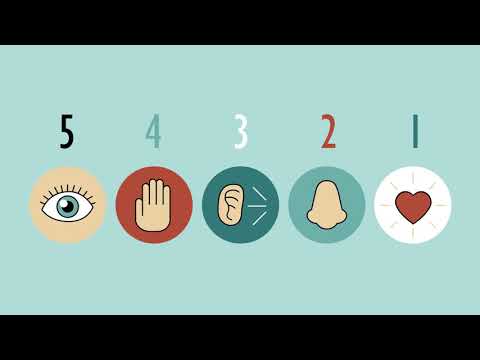
This one is simple but effective. You engage all five senses to help you reconnect with the here and now. Look around and identify:
- Five things you can see
- Four things you can touch
- Three things you can hear
- Two things you can smell
- One thing you can taste
When I tried this during a particularly stressful day, focusing on my surroundings helped pull me out of my spiral.
2. Deep Breathing
Yeah, yeah, I know what you’re thinking—“Everyone says that.” But seriously, deep breathing works wonders! It’s like a reset button for your brain. Inhale deeply for four counts, hold for four counts, and exhale slowly for six counts. You do this a few times, and everything feels a bit more manageable.
3. Grounding Objects
Find a small object—a smooth stone or even a pen—and keep it close. When anxiety hits, hold it in your hand and focus on its texture or weight. This little distraction helps shift your thoughts away from what’s stressing you out.
4. Mindful Observation
Pick something in front of you—maybe it’s a plant or even the clouds outside—and really observe it. Notice every detail: the colors, shapes, movements. This action pulls your mind back into reality’s embrace.
5. Affirmations
Words have power! Choose a few positive affirmations like “I am safe” or “I am grounded.” Repeat them to yourself when anxiety tries to creep in—it’s like having an internal cheerleader reminding you of your strength.
6. Physical Movement
Moving your body helps shake off anxiety vibes too! Whether it’s stretching at your desk or taking a walk outside—any kind of movement gets those endorphins flowing and clears your head.
7. Journaling Thoughts
Writing down what’s on your mind gives form to chaotic thoughts swirling around up there—it’s like letting them breathe outside of your brain! Just grab some paper and jot down whatever comes to mind without judgment.
8. Guided Imagery
Close your eyes and visualize somewhere calm—a peaceful beach or quiet forest. Picture every detail: the sound of waves, the scent of pine trees… Let yourself feel like you’re really there for just a moment!
9. Counting Backwards
Try counting down from 100 by threes (or any number comfortable for ya). It sounds simple but requires focus—perfect for pulling attention away from stressors.
10. The «Grounding» Technique
Challenge yourself to name things related to topics that interest you—like movies starting with each letter of the alphabet—or list animals from A-Z! It sounds goofy but keeps the mind active while calming anxiety!
These grounding techniques are all about bringing yourself back when life feels too much—like finding an anchor in stormy seas! Everybody has their own go-to methods; so if one doesn’t work for ya today? Just try another until something clicks! What matters is finding what fits YOU best as part of maintaining mental wellbeing.
Effective Cognitive Grounding Techniques for Enhanced Mental Wellbeing: Downloadable PDF Guide
So, cognitive grounding techniques, huh? They’re like cool mental tools you can use when life feels a bit too hectic or overwhelming. And *mental wellbeing*—that’s super important for navigating all the ups and downs. Let’s break this down in a way that actually makes sense.
Grounding techniques are about pulling yourself back into the present moment. When your mind starts to spiral, it’s like a lifeline you can grab on to. So what does that look like? Well, here are some effective strategies:
1. The 5-4-3-2-1 Method: This one’s a classic! You just focus on what you can see, hear, feel, smell, and taste. For example, you might say, “I see a blue pen and a cup of coffee.” Then, maybe: “I hear the clock ticking.” It helps remind your brain that you’re here and now.
2. Deep Breathing: Sounds simple but wow does it work! Just breathe in slowly through your nose for four seconds, hold it for four seconds, then exhale slowly through your mouth for six seconds. It calms your body and mind down. Like if you’re about to give a big presentation and nerves kick in.
3. Body Scan: This one’s about tuning into how your body feels. You sit or lie down comfortably and mentally check each part of your body from head to toe—like scanning it for tension or stress. If you notice tightness somewhere—like in your shoulders—you can consciously relax that area.
4. Visualization: Here you create a mental picture of somewhere safe or calming—a beach maybe? Or your favorite cozy chair at home? Just imagining that place can help ease anxiety and pull you back from overwhelming thoughts.
5. Affirmations: Positive self-talk matters! Repeating comforting phrases like “I am safe,” or “This feeling will pass” can really shift your mindset when things get tough.
The beauty of these techniques is they’re super adaptable—you can use them anywhere! Like if you’re waiting in line at the grocery store feeling stressed out; just do the 5-4-3-2-1 method right there.
And hey—sometimes it’s helpful to jot down these grounding techniques in a PDF or keep them handy on your phone. You know, something tangible you can refer back to during those rough moments!
In essence, these cognitive grounding methods not only enhance mental wellbeing but create habits over time that build resilience against life’s little (or big) curveballs. And remember—being kind to yourself during this process is key because we all have our days!
Downloadable PDF: Effective Grounding Techniques for Mental Wellness
Grounding techniques are super helpful tools when it comes to managing anxiety, stress, or those overwhelming moments that can happen in daily life. Basically, they’re ways to reconnect with the present moment. It’s like hitting the pause button, you know? So, let’s break these down a bit.
What are Grounding Techniques?
These methods help center you when your mind feels like it’s racing or you’re trapped in a storm of emotions. You could be feeling anxious, overwhelmed, or even just spaced out. Grounding pulls you back into reality and helps you feel more stable.
A Simple Overview:
- Focus on Your Senses: This involves tuning into what you can see, hear, smell, taste, and touch around you. Like if you’re feeling stressed while waiting in line at the grocery store, try looking at the colors of the products around you.
- Breathing Exercises: Deep breathing is a classic grounding technique. It slows down your heart rate and calms your mind. Inhale deeply through your nose for four counts—hold for four—and then exhale slowly through your mouth for another four.
- The 5-4-3-2-1 Technique: This one’s popular! It goes like this: identify 5 things you can see, 4 things you can touch, 3 things you can hear, 2 things you can smell, and 1 thing you can taste. Seriously effective.
- Mental Exercises: You could try counting backwards from 100 by threes or naming all the colors of a rainbow. Sounds simple but it shifts your focus and doesn’t let your mind spiral.
Anecdote Time:
I remember a friend once sharing how she felt utterly overwhelmed during a high-pressure meeting at work. She was ready to panic when she remembered her grounding techniques. She focused on her feet pressing against the floor and took some deep breaths—like magic! It brought her back into that room instead of getting lost in anxious thoughts.
The Benefits:
Using grounding techniques regularly can really help improve mental wellness over time. They not only help during stressful moments but can also build resilience against future challenges.
Remember to practice these methods when you’re calm as well! That way they’re more natural to tap into when things get tough.
So yeah, if you’re looking for ways to support your mental well-being and want quick tools right at hand—these grounding techniques could totally be worth exploring further!
You know, sometimes it feels like your thoughts are racing a million miles a minute, right? It can be overwhelming. That’s where cognitive grounding techniques come into play. These are simple strategies to help bring you back to the present moment and kind of settle your mind.
I remember this one time when I was feeling super anxious before a big presentation at work. My brain was going in circles, and I could barely breathe. I decided to try grounding techniques after reading about them online. I focused on my breathing and started counting my breaths. Each inhale and exhale felt like a gentle reminder to slow down. It worked! Slowly but surely, I calmed down and felt more centered.
Cognitive grounding is all about reconnecting with the here and now. One popular method is called the 5-4-3-2-1 technique. It’s pretty straightforward—kind of like playing a little game with your senses. You identify five things you can see, four things you can touch, three sounds you can hear, two scents you can smell, and one thing you can taste. It pulls your attention away from those spiraling thoughts and back into the world around you.
The cool part? These techniques aren’t just for anxiety or panic attacks; they can be handy anytime life gets too loud or chaotic. You might feel that heavy weight on your shoulders after a tough day or maybe even just during regular stressors—like traffic jams or endless emails piling up at work.
Why do these grounding techniques help? Well, they shift your focus from what’s stressing you out to something tangible and real in front of you. In therapy, they’re often used to help folks struggling with PTSD or intense emotions too—just giving people some space when everything feels overwhelming.
So if you’re ever stuck in that whirlwind of thoughts, give these cognitive grounding techniques a shot! They might just give you that little push back towards mental wellbeing. Seriously though, taking even a couple of minutes to reconnect with yourself can make all the difference… it’s such a game changer!