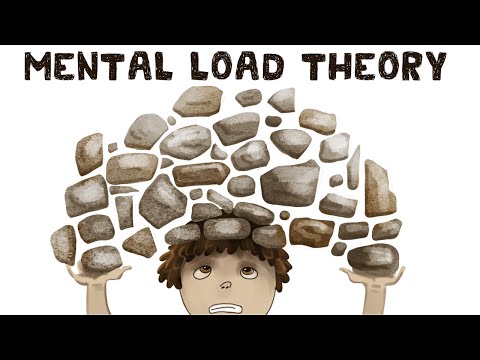
You know that feeling when your brain just feels jam-packed? Like, there’s way too much going on up there? That’s cognitive overload, my friend.
It’s kind of like trying to fit all your clothes into a tiny suitcase before a big trip. It just doesn’t work. And it can mess with your mood, focus, and even your health.
We all hit that wall sometimes. You might be overwhelmed with work, family stuff, or just daily life chaos. Seriously, it’s no joke.
So let’s unpack this idea together and figure out why it’s such a big deal in psychology and mental health. Trust me; it’s gonna be worth it!
Understanding Cognitive Overload: How Excessive Information Impacts Mental Health
Cognitive overload is a real thing, and it can seriously mess with your mental health. Imagine trying to juggle a million tasks all at once. That’s what cognitive overload feels like—your brain is just overwhelmed, you know?
When we have too much information coming at us, our brains struggle to process everything. This can happen when you’re multitasking or just trying to keep up with all the emails, texts, and social media notifications flying in every minute. It’s like trying to fill a glass with water but pouring it way too fast. Eventually, it spills over.
Signs of Cognitive Overload can include:
- Feeling anxious or stressed.
- Difficulties concentrating or focusing.
- Forgetfulness or memory issues.
- Physical symptoms like headaches or fatigue.
Think about it—ever had one of those days where you can’t remember what you walked into a room for? Or maybe you’ve felt that tightness in your chest when you’re staring at an overflowing inbox. Those feelings aren’t just annoying; they’re indicators that your brain is reaching its limit.
Now, let’s chat about how this overload affects your mental health long term. When you’re constantly bombarded with info, like news alerts or demands from work, it keeps your stress levels elevated. Chronic stress isn’t something to take lightly—it can lead to more serious conditions like anxiety disorders or depression.
Coping Mechanisms are crucial if you find yourself in this kind of situation:
- Take breaks: Give yourself time away from screens and constant notifications.
- Limit information intake: Choose specific times for social media and news updates.
- Prioritize tasks: Focus on what’s truly important instead of spreading yourself too thin.
And hey, talking about this stuff helps too! Just sharing what’s on your mind can lighten the load a bit.
So remember, cognitive overload isn’t just about feeling busy; it affects your brain’s capacity to handle stress and make decisions effectively. It’s super important to check in with yourself and find ways to dial down the chaos when life gets overwhelming. Taking care of your mental well-being should always be a priority!
Understanding Cognitive Overload: Key Symptoms and Coping Strategies
Cognitive overload is, like, when your brain gets totally overwhelmed by too much information. You know that feeling when you’re staring at a screen for hours or juggling a million tasks at once? Yeah, that’s it. Your brain just can’t handle all the input, and it’s not a fun place to be.
When you’re experiencing cognitive overload, you might notice some key symptoms popping up. For instance:
One time, I was swamped with work—juggling deadlines and personal stuff—and my brain felt like it was on fire. I couldn’t remember basic things and ended up ordering takeout instead of cooking because I forgot I had groceries! It’s wild how that chaos can spiral quickly.
So, what can you do about this? Coping strategies come in handy when life throws too much at you:
And here’s the thing: cognitive overload isn’t just something that happens at work; it can hit when you’re studying, planning events, or even during conversations if there’s too much going on.
Understanding these symptoms and strategies makes it easier to tackle cognitive overload head-on. Recognize the signs early so you don’t end up feeling completely fried! Give yourself some grace; we all have those days when our brains are just overloaded with info. Take care of yourself out there!
Effective Strategies for Treating Cognitive Overload: A Comprehensive Guide
Cognitive overload is like trying to juggle a ton of stuff at once. You know, when your brain feels stuffed and you can’t focus because there are just too many things happening? It’s totally common and can happen to anyone, especially in our fast-paced lives. But no worries! There are effective strategies that can help manage this overload.
Understanding Cognitive Overload
Basically, cognitive overload happens when the demands on your brain exceed its capacity. This can lead to feelings of stress, fatigue, and even anxiety. You might find it hard to make decisions or remember things, making daily tasks seem overwhelming.
Strategies for Treatment
- Prioritization: Start by identifying what really needs your attention. Write down tasks in order of importance. This way, you tackle the most pressing items first and ease up that mental burden.
- Break Tasks Into Smaller Steps: Instead of looking at a huge project as one giant task, break it down into smaller parts. Think about how you’d eat an elephant—one bite at a time! Completing smaller sections can give you a sense of accomplishment.
- Simplify Your Environment: Decluttering your physical space can really help clear your mind too. A messy desk or room can be distracting, so try tidying up your surroundings.
- Schedule Breaks: Seriously, taking short breaks is essential! Give yourself permission to step away from your work every so often. Even five minutes of simply breathing or stretching can help reset your brain.
- Meditation and Mindfulness: Practicing mindfulness techniques helps ground you in the present moment. Just focusing on your breath for a few minutes or using guided meditation apps can significantly reduce feelings of being overwhelmed.
- Lifestyle Adjustments: Look at what you’re eating and how much sleep you’re getting. A balanced diet and adequate rest are super important! They directly affect how well your brain functions.
- Tackle Distractions: Limit distractions when you’re trying to concentrate—this means turning off notifications on your phone or finding a quiet place to work.
Sometimes our brains just need a reboot! It’s kind of like restarting your computer when it’s acting up.
Anecdote
A friend of mine once told me about their experience during college finals. With too many papers due and studying for exams, they hit a wall—totally unable to focus on anything at all. They started implementing some of these strategies: prioritizing studies, breaking assignments into chunks, and even meditating for just ten minutes each day. They said it felt like lifting weights off their shoulders!
With practice, managing cognitive overload becomes easier over time; it’s all about finding what clicks for you personally! When you take steps to prioritize tasks and simplify everything around you, life starts feeling less chaotic—and that’s pretty liberating!
You know, let’s talk about cognitive overload. It’s something we’ve all felt, even if we didn’t realize it at the time. Imagine you’re juggling a million things: work emails, family obligations, social media notifications. Suddenly, your brain feels like it’s firing on all cylinders, but instead of being super productive, you just kinda freeze up. Ever been there? Yeah, me too.
Cognitive overload happens when your brain gets bombarded with too much information or too many tasks all at once. It’s like trying to pour a gallon of water into a pint-sized glass. The glass fills up and spills over—nothing gets absorbed! When that happens in our minds, it makes it hard to think clearly or make decisions.
I remember this one time I was studying for finals while working part-time and trying to plan my best friend’s wedding. Talk about a recipe for disaster! I’d sit there staring at my notes but couldn’t focus on anything—they just swirled around in my head like confetti after a party. My anxiety shot up because I worried about letting everyone down. That mental clutter can really mess with you!
The thing is, our brains are kinda amazing machines but they do have their limits. When we push ourselves too hard or try to multitask (which is basically just pretending to do 10 things at once), it leads to stress and burnout. You’ll notice the signs: fatigue, irritability, forgetfulness—just feeling like you’re running on empty.
Managing cognitive overload isn’t about avoiding responsibilities altogether; it’s really about finding balance.You could break tasks into smaller chunks or just take a little breathing space between them so everything doesn’t pile up at once. Sometimes you might need to say no to some things—or delegate if you can! Seriously though, getting support from friends or family can lighten the load.
When you start recognizing cognitive overload in your life, it becomes easier to tackle those overwhelming feelings head-on and prioritize what truly matters. Just remember: slowing down is not a sign of weakness; it’s actually a smart strategy for being gentle with yourself while navigating this chaotic ride called life!