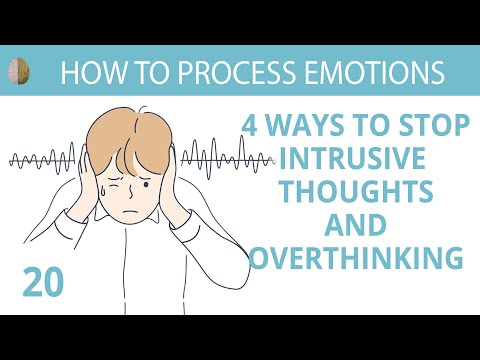
Hey, ever feel like your brain is just… too full? Like, you can’t fit one more thought in there without it spilling over? That’s cognitive overload for you.
You know that moment when you’re juggling a million things at once? Work, family, social life—it all piles up. And suddenly, making a simple decision feels impossible.
It’s exhausting, right? This mental strain can really sneak up on you. But don’t worry; we’ll explore what’s going on in that busy head of yours and how to make it a little less chaotic.
So grab your favorite drink, and let’s chat about navigating this tricky mental maze together!
Understanding Cognitive Overload in Psychology: Causes, Effects, and Strategies for Relief
Cognitive overload is kind of a big deal in psychology. It’s when your brain gets overwhelmed with information and tasks, making it hard to think clearly or make decisions. This can happen in all sorts of situations, whether it’s at work, school, or even home.
Causes of Cognitive Overload:
There are a few things that really fuel cognitive overload. Here are some common ones:
Imagine sitting at your desk with five tabs open, music blasting, and your phone buzzing every two minutes. It’s no wonder you feel fried by lunchtime!
Effects of Cognitive Overload:
Experiencing cognitive overload isn’t just frustrating; it can also mess with your life in significant ways:
One time, I was prepping for a major exam while working part-time and managing family stuff. My head felt like it was full of cotton candy—fluffy but unable to hold any real thought!
Strategies for Relief:
So what do we do about this cognitive overload? There are some simple strategies that can help lighten the load:
You might find that slowing down actually speeds up progress because you’re not wallowing in confusion.
Overall, understanding cognitive overload could help you manage those overwhelming moments better. It’s all about learning how to navigate those crazy waves of information and give yourself some breathing room when needed!
Understanding Cognitive Strain in Psychology: Causes, Effects, and Coping Strategies
Cognitive strain is one of those things that can sneak up on you like, well, an unexpected pop quiz. It’s when your brain feels overwhelmed by too much information or too many demands on your attention. This overload can lead to some pretty significant effects on how we think and feel.
Causes of Cognitive Strain
There are a few big reasons why cognitive strain kicks in. One major culprit is multitasking. You know when you’re trying to work on a project while scrolling through social media? That’s a classic setup for cognitive overload. Each task requires mental resources, and when you pile them up, it’s like trying to fit ten people in a five-person car—it just doesn’t work well.
Another factor is the sheer volume of information we deal with daily. With all the news, emails, and notifications buzzing around us constantly, it’s no wonder our brains can feel like they’re running in circles. Too much input without enough downtime? That’s a recipe for mental strain.
Effects of Cognitive Strain
So what happens when you hit that overloaded point? Well, first off, you might notice trouble focusing. Ever find yourself staring blankly at the screen? That’s cognitive strain waving its flag!
You might also experience physical symptoms like headaches or fatigue. I remember once after a long day filled with meetings and constant messages; I felt so drained I could barely keep my eyes open. It’s wild how much mental effort impacts our physical energy!
Long-term cognitive overload can lead to anxiety or stress. When everything becomes too much to handle, it can trigger feelings of being out of control or stuck in a pressure cooker.
Coping Strategies
Now that we’ve talked about what causes cognitive strain and its effects, let’s jump into some ways you can cope with it:
In short, cognitive strain can really mess with how we experience life and manage our day-to-day tasks. By recognizing what’s causing it and finding ways to cope, you can help ease that mental load and keep moving forward without feeling completely crushed under pressure!
Understanding Cognitive Load Theory: A Key Concept in Psychology Explained
Cognitive Load Theory is one of those concepts that, once you get it, can really change the way you think about learning and processing information. Basically, it’s all about how our brains handle tasks and the limits of that handling capacity. The theory was developed by John Sweller in the 1980s and focuses on the *limitations* of working memory when we’re trying to learn new things.
When we talk about cognitive load, we’re referring to the amount of mental effort being used in working memory. Our brains are like a computer; they can only juggle so much at once before things start to slow down or crash. You know how when you’re trying to remember a phone number while also having a conversation? It can be tricky! That’s cognitive load in action.
There are three types of cognitive load:
- Intrinsic Load: This is related to the difficulty of the material itself. Some subjects are just harder than others, right? For example, understanding advanced calculus demands more intrinsic load than basic arithmetic.
- Extraneous Load: This refers to all the unnecessary distractions that inhibit your learning. Think about reading a textbook with a ton of side ads or background noise. It makes focusing way harder!
- Germane Load: This one’s actually beneficial because it’s linked to your efforts in learning and processing information effectively. Like when you really focus on understanding a complex idea rather than just memorizing facts.
Now, what happens if your brain gets overloaded? Well, that’s where cognitive overload comes in. It’s when you’re juggling too many tasks or information at once and your brain just can’t keep up anymore. You might feel anxious or frustrated—ever had one of those days where you felt totally drained after trying to learn something new? That’s cognitive overload waving its little white flag!
One way to handle this stress is through **chunking**—it means breaking down information into smaller pieces that are easier for your brain to manage. So instead of cramming all that info from a big chapter into your head at once, maybe split it up into sections and take breaks between each chunk.
Another strategy is **scaffolding**, which involves building on what you already know by gradually increasing complexity over time. So if you’re learning something like languages, start with basic vocabulary before diving into grammar rules.
Cognitive load theory isn’t just academic mumbo jumbo; it has real-world implications too! Teachers and trainers can apply it in classrooms or workshops by presenting materials in ways that reduce unnecessary effort on learners’ parts.
Think back to school: when lessons were engaging and flowed well together, didn’t they feel easier? That’s because good teaching takes cognitive load into account—creating an environment where students can focus better without getting overwhelmed.
To sum up, understanding Cognitive Load Theory helps us recognize our mental limits and find ways to learn more effectively while avoiding burnout. It’s like giving your mind the right tools for tackling whatever life throws at you!
You know that feeling when your brain feels like it’s about to short-circuit? Like, you’re staring at your phone or computer, and everything just seems like too much? That, my friend, is what they call cognitive overload. It’s when you’re juggling a million thoughts and tasks, and your mental capacity just can’t keep up.
I remember this one time I was trying to plan a surprise party for my best friend while working on a huge project for work. I was so busy organizing details—guest lists, decorations, food—that I completely spaced on a deadline for my job. Suddenly, it felt like my brain was crammed full of sticky notes and alarms going off everywhere. Super overwhelming! Seriously, it took an extra cup of coffee and some deep breaths to get me back on track.
Cognitive overload is pretty common these days. We live in this high-speed world where information is just flying at us from all angles. Between social media updates, emails piling up, and the need to stay «in the loop,» our brains can start to feel like they’re in overdrive. It’s wild how our brains work! But when they get overloaded? Oh boy! That can lead to stress, mistakes, or even burnout.
The thing is, it’s totally okay to hit that wall sometimes. But learning how to navigate through the mental strain can make such a difference. Taking breaks? Huge! Even if it’s just stepping outside for fresh air or switching gears to something creative instead of analytical thinking. You might also find that simplifying tasks—like breaking things into smaller steps—can be super helpful too.
And let’s not forget about asking for support from friends or family when things feel heavy. Talking things out really lightens the load; it’s kind of magical how sharing those thoughts helps clear away some clutter in your mind.
So yeah, cognitive overload isn’t just some psychology term; it’s real-life stuff that we all deal with at some point or another—and figuring out ways to cope with it makes life feel so much lighter!