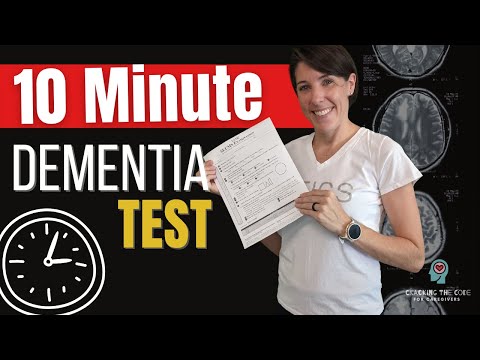
So, you know how sometimes you walk into a room and totally forget why you went there? Yeah, same. It happens to the best of us.
But what if that forgetfulness is more than just a little brain fart? Short-term memory loss can be tricky, especially when it starts messing with your everyday life.
Cognitive tests can help figure out what’s going on up there, like a little tune-up for your brain. They’re designed to see how well you’re holding onto information for a short time—like names, numbers, or even simple tasks.
Let’s dig into what these tests are about and why they matter for your mental health. You might find some surprising things!
Understanding Cognitive Tests for Short-Term Memory Loss: A Comprehensive Guide
Cognitive tests for short-term memory loss are kind of like a check-up for your brain. They help you understand how well your memory is working, especially when it comes to storing and recalling information over brief periods. If you’ve been feeling forgetful, these tests can provide some clarity.
What Are Cognitive Tests?
Basically, cognitive tests are a series of tasks designed to measure various aspects of your mental functions. When it comes to short-term memory, these tests focus on how quickly and accurately you can remember and repeat back information after a short delay. You follow me?
The Purpose of These Tests
Why do we need them? Well, short-term memory plays a crucial role in our daily life—like when you’re trying to remember a phone number long enough to dial it or keeping track of a conversation. If something seems off with your memory, testing can help identify potential issues.
- Assessing Memory Function: These assessments determine how well you can hold onto information temporarily.
- Identifying Impairments: They can spot problems due to aging, stress, or conditions like ADHD.
- Planning Treatment: Results assist mental health professionals in creating personalized treatment plans.
Kinds of Tests
There are various types of cognitive tests for short-term memory, each with its own flavor. Some might use word lists where you have to recall terms after hearing them a few minutes earlier. Others might present patterns or sequences that require repeat recall.
One common test is the Digit Span Test. In this task, you’re given numbers to remember in the order they’re presented and then asked to repeat them back. It’s surprisingly tricky! You might start with two numbers and work your way up as you get better.
Another popular one is the Word List Recall Test. You hear/listen to a list of words and then have a moment before you’re asked to recite as many as possible. This one’s interesting because it really puts pressure on how quickly you can access that stored info.
The Process
So what does actually happen during these tests? First, you usually meet with a psychologist or another trained professional who’ll guide you through them. They’ll explain each step clearly so you’re not left in the dark about what’s happening.
After the testing session, they’ll go over your results with you. The scores from these tasks give insight into whether there’s any significant concern regarding your short-term memory.
Seeing someone struggle with remembering little things might feel frustrating—or even unnerving—especially if it’s affecting daily life. I know someone who would forget where they put their keys every morning or couldn’t recall what they had for lunch just hours earlier. It was tough for them emotionally because those little lapses started worrying their loved ones too.
Getting cognitive tests helped pinpoint whether there was an underlying issue worth addressing or if it was just plain old stress messing with their brain’s ability to focus!
In sum, understanding cognitive tests for short-term memory loss is key if you’re worried about yours or someone else’s memory health. They provide clarity on how our minds work and help identify areas that may need support! Remembering those little details matters—it’s part of what makes us human!
Understanding Sudden Short-Term Memory Loss and Confusion: Causes, Symptoms, and Solutions
Memory can be a tricky thing, right? One minute you’ve got everything sorted in your head, and the next, it feels like someone flipped a switch and poof!—your short-term memory is gone. Sudden short-term memory loss can be pretty unsettling, leaving you confused and disoriented. Let’s break this down a little.
What is Short-Term Memory Loss?
Short-term memory is like your brain’s notepad. It lets you hold onto information just long enough to use it, like remembering a phone number until you dial it. When we talk about sudden short-term memory loss, we’re looking at instances where that notepad gets wiped clean unexpectedly.
Causes of Sudden Short-Term Memory Loss
There are several reasons why someone might experience this. Here’s what could be going on:
- Stress or Anxiety: Ever been so stressed that you forget what you were saying mid-sentence? Stress can mess with your brain’s ability to form new memories.
- Sleep Deprivation: Lack of sleep can seriously affect how well your brain functions. Forgetting stuff is one of those pesky side effects.
- Nutritional Deficiencies: If you’re low on certain vitamins, especially B12, it could impact your ability to remember things.
- Migraine Attacks: Some folks experience confusion or memory lapses during or after a migraine episode. These headaches can come with some serious cognitive fog.
- TBI (Traumatic Brain Injury): A bump on the head can lead to temporary memory lapses while things heal up.
- Dementia-related Conditions: Conditions like Alzheimer’s may cause abrupt changes in memory…but these typically worsen over time.
Symptoms You Might Notice
So, how do you know if you’ve got sudden short-term memory loss? Symptoms include:
- Forgetting recent events: Like walking into a room and forgetting why you’re there.
- Trouble recalling information: Struggling to remember names or details that were just shared with you.
- Losing track of time: Not realizing how much time has passed during conversations or activities.
And that confusion? It often comes hand-in-hand with the forgetfulness—like trying to piece together a puzzle but missing half the pieces.
Cognitive Tests for Memory Assessment
If you’re worried about sudden memory loss, talking to someone who knows their stuff is key. Health professionals might suggest some cognitive tests, which evaluate different aspects of your mental functioning:
- Mental Status Exams: These check orientation (like knowing where and when you are) and attention levels.
- The Mini-Mental State Examination (MMSE): Used often in clinical settings to gauge cognitive impairment quickly.
- The Montreal Cognitive Assessment (MoCA):This one’s handy for identifying early signs of cognitive decline—a bit more comprehensive than MMSE.
Simpler Solutions and Strategies
So what can help? Maybe some strategies could ease the chaos in your head! Here’s some quick fixes:
- Coping Mechanisms: Using reminders on your phone or sticky notes around the house helps keep track of important tasks!
- Meditation & Mindfulness:The benefits here are huge! Focusing on breathwork or being present might reduce anxiety and improve focus over time!
- Sufficient Sleep:A solid sleep routine plays a critical role in maintaining good memory function.
Ultimately, if sudden short-term memory loss hits hard or happens frequently, don’t hesitate to reach out for help. After all, taking care of your mental health is just as important as anything else! You deserve clarity amid all that confusion.
Unlock Your Potential: Take Our Free Cognitive Test to Assess Your Mental Fitness
Cognitive tests are, like, super interesting tools that help us understand how our brains are working. You might be wondering, “What even is a cognitive test?” Well, basically, it’s a series of tasks designed to measure various aspects of your brain function. This can include things like memory, attention, and reasoning skills.
Now, let’s dig into the idea of short-term memory loss. It’s common for people to forget things now and then. You know, misplacing your keys or forgetting where you parked the car. But if you find yourself frequently struggling to remember recent events or information—like what you had for lunch yesterday—it might be worth considering a cognitive test.
Here’s how it works: these tests can show not just if you’re experiencing memory problems but also how severe they might be. They break down different areas of cognitive function and can give you valuable insights into your mental fitness.
So why would someone want to take one of these tests? Well:
- To gain insight into cognitive strengths and weaknesses.
- To track changes in memory or other cognitive abilities over time.
- To identify potential underlying issues that might need further assessment.
For example, let’s say you’re trying to figure out if you’ve been feeling scatterbrained lately. Taking a cognitive test could help clarify whether those moments are just stress-related or something more substantial happening with your short-term memory.
Furthermore, it’s important to remember that many factors can play a role in memory problems: stress levels, sleep quality, and even diet can impact brain function. If after taking a test you realize there is an issue with short-term memory loss, this could open the door for exploring ways to improve it.
Also worth mentioning is that while these tests can provide useful information about your mental fitness, they’re not conclusive on their own. Think of them as part of a bigger picture. If an issue does come up in your results—maybe they indicate some level of concern—it’s always a good idea to follow up with a healthcare professional who specializes in mental health. They can guide you through the next steps and address any worries.
You know what? Cognitive health isn’t just about assessing where you’re at right now; it’s also about planning for the future. So taking these tests seriously could empower you toward better mental fitness down the line!
You know, when we talk about short-term memory loss, it can get kind of complicated. I’ve seen people struggle with this in various ways. It’s not just about forgetting where you put your keys, although that happens a lot too! Sometimes it’s more serious, like forgetting conversations you just had or feeling lost in familiar places.
Cognitive tests are one of those things that come into play when someone starts showing signs of memory issues. These tests help determine how well your brain is working in the here and now. So, think of them like a little quiz that checks if your short-term memory is firing on all cylinders.
I remember this one friend—let’s call him Sam—who started to notice he was forgetting stuff, like his grocery list or what he wanted to say mid-sentence. At first, we laughed it off. But then it got a bit worrying when he’d forget important events or even people’s names right after meeting them. He finally decided to get tested because, seriously? That was rough for him.
The tests usually involve recalling words or numbers right after you hear them and moving things around mentally. It’s fascinating but also can feel a bit daunting for some. The results aren’t just numbers on paper; they can guide next steps and how to tackle any underlying issues—like anxiety or stress—that might be messing with your brain’s ability to hold onto stuff.
But here’s the thing: not every bad day means there’s something seriously wrong upstairs. Stress and life changes mess with our brains too! Those tests are tools—not the full picture. It’s super important to remember that everyone’s brain works differently, and having an off day doesn’t mean there’s a big problem brewing.
What I really take away from all this is how vital it is to check in with our mental health regularly. Whether it’s simple brainstorming with friends about worries or seeking professional help when things feel out of hand, paying attention matters! Being open about these experiences creates real conversations around memory loss—and that’s something we could all use more of!