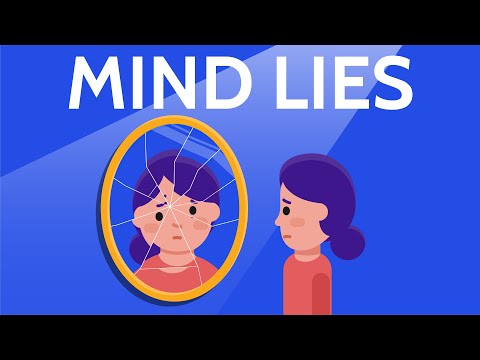
You know those days when your brain just starts going off the rails? It’s like everything is a disaster waiting to happen. Seriously, you can spiral into negativity in no time.
Well, that’s where cognitive distortions come in. They’re these sneaky little thought patterns that mess with your head. You might not even notice them at first. But they can turn a simple mistake into a total catastrophe in your mind.
Let me tell you—challenging these thoughts can be a game-changer for your mental health. It’s like flipping a light switch on when you’re stuck in the dark. And who doesn’t want to feel a bit brighter, right?
So, let’s unpack this together and see how we can kick those distortions to the curb!
Overcoming Cognitive Distortions: A Practical Worksheet for Improved Mental Health
Cognitive distortions are those sneaky little thoughts that pop into your head and twist your perception, you know? They can really mess with how you see yourself, others, and the world around you. But the good news is, you can challenge and overcome these distortions. Let’s break this down in a way that feels manageable.
First off, let’s talk about what cognitive distortions actually are. They’re those patterns of negative thinking that lead to bad feelings. Things like all-or-nothing thinking or overgeneralizing, where one little setback makes you believe everything’s doomed forever. If you’ve ever thought, “I failed that test; I’ll never succeed at anything,” then you’ve been hit by some cognitive distortion.
To tackle these thoughts effectively, you can use a worksheet—a kind of road map for your brain. Here’s how to create one:
- Identify the Distortion: Write down the negative thought that’s bothering you. Is it black-and-white thinking? Maybe it’s jumping to conclusions? Just jot it down.
- Challenge It: Ask yourself, “Is this really true?” Look for evidence that supports or contradicts your thought. The goal is to see if you’re being fair to yourself.
- Reframe It: Instead of saying “I’m terrible at everything,” try shifting to something like “I might struggle now, but I can improve with practice.” It’s all about finding a more balanced perspective.
- Create Action Steps: Think about what you can do next time those thoughts creep in. Maybe it’s practicing self-compassion or talking to a friend who lifts your spirits.
Let me share a quick story: my friend Sarah was stuck in the loop of all-or-nothing thinking after losing her job. She thought she’d never find another opportunity again—total doom and gloom! But after we talked through her feelings using this worksheet method, she realized she had skills she could market elsewhere and even enrolled in an online class to improve her resume.
The thing is, challenging those pesky thoughts takes practice. Some days will feel easier than others; that’s completely normal. You might forget to challenge them sometimes too—don’t beat yourself up over it! Just pick up from where you left off when you’re ready.
Overcoming cognitive distortions isn’t just about fixing negative thoughts; it’s about building resilience and improving mental health in the long run. And remember: each time you confront these distorted beliefs, you’re taking steps toward feeling better overall.
So when those dark clouds of doubt roll in again—or whatever metaphor works for ya—try busting out that worksheet and giving it another go!
Unlock Better Mental Health: A Comprehensive Guide to Challenging Cognitive Distortions – Free PDF Download
Cognitive distortions are those pesky thought patterns that twist your perception of reality. You know how sometimes you feel like everything is going wrong? That’s not exactly the full picture, but your mind can play tricks on you. These thoughts can make you feel worse than you actually are. It’s like wearing a pair of glasses that only show the negative side of things.
So, let’s unpack this a bit. Cognitive distortions can include stuff like all-or-nothing thinking and overgeneralization. When you think in extremes—like “I always fail” or “I never get anything right”—you’re falling into a cognitive trap. It’s important to identify and challenge these thoughts to reclaim your mental health.
First off, what are some common cognitive distortions? Here are a few:
- All-or-Nothing Thinking: You see things in black-and-white terms without recognizing any middle ground.
- Overgeneralization: You take one event and assume it applies to everything (e.g., “I bombed that test; I’ll never succeed”).
- Negative Filtering: You focus solely on the negative aspects of a situation while ignoring the positive ones.
- Jumping to Conclusions: You make assumptions without evidence, like believing someone is mad at you without any proof.
Now, here’s where it gets interesting! Those patterns mess with your emotions and behaviors too. Like, when Sarah thought she was a failure after one bad performance at work, she didn’t just feel lousy; she started avoiding projects altogether. This led to more negative feelings and less confidence—the cycle just spiraled outta control!
Challenging these distortions is key in moving toward better mental health. It can sound daunting, but it’s really about practice and awareness. Start by noticing when those sneaky thoughts creep in. Ask yourself questions like:
– What evidence do I have for this thought?
– Is there another way to see this situation?
– What would I tell a friend if they were having this thought?
By flipping your thinking around, suddenly you’re not stuck in that dark cloud anymore!
And don’t forget about keeping track of your thoughts! Writing them down can give you perspective and help spot patterns over time—like keeping an emotional diary so you’re not just caught up in the moment.
Also, there’s something powerful about talking it out with someone—a therapist or even just someone you trust—and hearing their take on things can shed light on those distorted thoughts.
Remember: challenging cognitive distortions isn’t about denying or sugar-coating reality; it’s about getting more balanced views so you don’t stay stuck feeling low for no good reason.
In summary, embracing better mental health means becoming aware of those nasty cognitive distortions lurking around and working through them step by step. It takes time but kindly remind yourself: changing how we think is one of the most worthwhile journeys we can embark on!
Effective Strategies to Challenge Cognitive Distortions: Downloadable PDF Guide
Cognitive distortions can be such a pain. They’re those pesky little thought patterns that twist your perspective, leading you to see things in a way that isn’t really accurate. A common example is «all-or-nothing thinking.» You might think if you can’t do something perfectly, then it’s totally worthless. That kind of mindset can really mess with your self-esteem and overall happiness.
Challenging cognitive distortions isn’t just about changing your thoughts; it’s about reshaping the way you view yourself and the world. Here are some effective strategies that can help:
- Identify Your Distortions: Start by being aware of when these thoughts pop up. Are you feeling overwhelmed? Take a moment to jot down what you’re thinking.
- Challenge Those Thoughts: Once you’ve caught yourself in a distortion, ask if it’s really true. For example, if you think, “I always mess things up,” ask yourself, “Is this truly accurate? Have there been times I’ve succeeded?”
- Look for Evidence: Gather facts to support or dispute your thoughts. If you’re worried about failing at something important, write down past successes to remind yourself you’re capable.
- Consider Alternatives: Instead of clinging to negative thoughts, try to reframe them. If you catch yourself saying “I’ll never be happy,” flip it around: “I have the power to create moments of joy in my life.”
- Acknowledge Your Feelings: Instead of ignoring how you feel, give those emotions a voice. If you’re feeling anxious about something, sit with that feeling instead of pushing it away. Sometimes just recognizing it helps take away its power.
Let’s say you’re in a tough spot at work and think “I’m terrible at my job.” Now imagine sitting down and really thinking about that statement. You’ve probably had good feedback or completed tasks successfully before! It’s all about flipping that script.
Another cool strategy is visualization. Picture yourself succeeding or facing challenges with confidence—it creates a mental pathway in your brain to shift towards more positive outcomes.
Also, consider talking through these thoughts with someone who gets it—friends or even therapists can help provide perspective you might be missing out on.
And hey, don’t forget self-compassion! Seriously! The more kind you are towards yourself when dealing with these distortions, the easier it will be to break free from that cycle.
Incorporating these strategies takes time and practice but trust me: it’s so worth it! Every small step counts toward building a healthier mindset and better mental health overall. So go ahead and challenge those pesky cognitive distortions—they don’t stand a chance against your newfound awareness!
Cognitive distortions are those pesky little thoughts that can mess with your head, you know? They’re like those annoying gnomes that pop up out of nowhere, twisting your perspective. You might think, “I always mess things up,” or “Nobody likes me.” Sound familiar? These negative thought patterns can really take a toll on your mental health if you let them stick around unchecked.
I remember a buddy of mine telling me about this time he bombed an interview. He left feeling crushed, convinced he was doomed to fail at everything moving forward. But here’s the thing: he was exaggerating his experience. Sure, the interview was rough, but it didn’t define his worth or potential. I mean, we all have off days—right? It’s easy to fall into that trap of all-or-nothing thinking. It’s like wearing blinders that only let you see the bad stuff.
So here’s where challenging these distortions comes in. Let’s say you catch yourself in a downward spiral and start questioning your thoughts. You could ask yourself if there’s any real evidence for those thoughts. Are they based on facts or just feelings? Sometimes just turning the mirror back on those thoughts can help you see them for what they are: just words swirling around in your brain.
You might also find it helpful to reframe those negative beliefs into something more balanced. Instead of thinking “I always mess things up,” maybe try “Sometimes I make mistakes, but I learn from them.” It’s not about pretending everything is perfect; it’s about giving yourself space to be human. And believe me, being human means messing up sometimes—it happens to everyone!
And look, challenging cognitive distortions is kind of like getting a mental workout. The more you practice, the stronger your mind gets at handling these thought patterns without letting them take over your life.
So as we navigate our paths through life’s ups and downs, remember—those gnomes don’t have to rule the roost! You’ve got the power to challenge their nonsense and reclaim your headspace for better things.