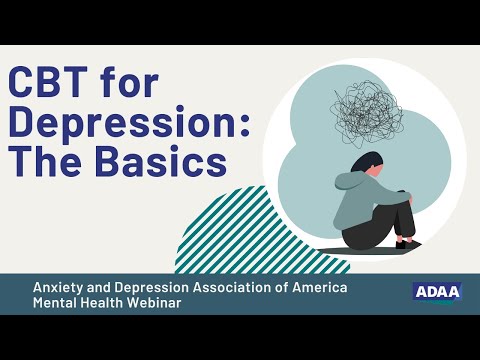
Hey, so let’s talk about something that’s been on my mind lately—depression. We all kinda know it can be a heavy weight to carry, right? But here’s the thing: there are ways to deal with it that actually make sense.
Cognitive approaches are like your brain’s own little toolbox. They help you reframe how you see things. It’s not about just “cheering up” or ignoring the tough stuff—it’s about changing how you think about life, yourself, and everything in between.
I remember a friend of mine saying they felt stuck in this dark tunnel. Every thought felt like a brick, weighing them down even more. But when they started exploring these cognitive techniques, it was like someone flicked on a light switch. Suddenly, the tunnel didn’t feel so endless anymore.
So let’s dig into some of these methods together and see how they can help lift that weight a bit, yeah?
Understanding the Cognitive Approach to Treating Depression: Techniques and Benefits
So, let’s chat about the cognitive approach to treating depression. It’s one of those things that sounds a bit complicated, but really, it’s about how we think and how those thoughts affect our feelings. You know how you sometimes get stuck in negative thinking? Well, this approach helps you break that cycle.
The **cognitive approach** is based on the idea that our **thoughts influence our emotions** and behaviors. When someone is feeling down, they often have a lot of negative thoughts swirling around. Like, “I’m not good enough,” or “Nothing will ever change.” That’s where this method steps in.
Techniques Used in Cognitive Therapy
Here are some common techniques used in cognitive therapy for depression:
- Cognitive Restructuring: This is where you learn to identify negative thought patterns and challenge them. For instance, if you catch yourself thinking “I always fail,” you can ask yourself if that’s really true. Maybe there were times you succeeded!
- Behavioral Activation: It involves engaging in activities that bring joy or a sense of accomplishment. When you’re depressed, it’s easy to isolate yourself or stop doing things you love. So, getting back into those activities can help shift your mood.
- Thought Records: Keeping track of your thoughts can be super helpful. Writing down when you’re feeling low and what you’re thinking can shine a light on those pesky negative thoughts.
- Mindfulness Techniques: These help you focus on the present moment instead of spiraling into worries about the past or future. Think meditation or just paying attention to your breathing.
The goal here isn’t just to stop negative thinking but to replace it with more balanced views. It’s like when a friend tells you to chill out during a meltdown—sometimes, we need that outside perspective.
Benefits of Cognitive Therapy
Now, let’s talk about why this approach is pretty effective for treating depression:
- Improved Self-Esteem: As you start recognizing and changing those negative thoughts, your self-image improves.
- Better Coping Skills: You’ll develop strategies for dealing with tough situations instead of feeling overwhelmed.
- Lasting Changes: This isn’t just a quick fix; the skills learned can last long after therapy ends.
- A Greater Sense of Control: Realizing that your thoughts impact your emotions gives you tools to manage how you feel.
Picture this: Sarah has been feeling totally stuck in her life since her breakup. She thinks she’ll never find love again and feels worthless. Through cognitive therapy, she learns to catch those automatic negative thoughts and challenge them—a process she eventually finds empowering! She starts putting herself out there again and slowly rebuilds her confidence.
By understanding this cognitive approach and its techniques—along with the benefits—you’re equipping yourself with resources for lifting depression’s heavy weight off your shoulders! It shows that even though our minds can be tricky sometimes—there are ways outta that fog.
Understanding Cognitive Therapy: Effective Strategies for Treating Depression
So, cognitive therapy, huh? It’s this approach that really focuses on how our thoughts affect our feelings and behaviors. Think about it: when you’re feeling low or dealing with depression, your mind can get stuck in these negative thought patterns. And guess what? Cognitive therapy helps break that cycle.
Cognitive Behavioral Therapy (CBT) is one of the most popular forms of cognitive therapy, especially when it comes to treating depression. The idea is to help you recognize those pesky negative thoughts and learn how to challenge them. It’s like having a mental toolbox where you can pick out skills to manage your mood.
One key strategy in CBT is identifying cognitive distortions. These are basically the twisted ways we can think about situations that make things seem worse than they are. You might think, «I always mess things up,» but really, we all make mistakes sometimes! Recognizing these distortions can help you see things more clearly and realistically.
Another effective tactic is behavioral activation. This means getting back into activities that used to bring you joy, even when you don’t feel like it. Picture this: you’re feeling down and decide to skip your favorite hobby. But if you push through and actually do it, you’re likely to feel a bit better afterward. It’s all about re-engaging with life!
Then there’s thought records. These are like journals where you can write down negative thoughts as they pop up throughout your day. By putting pen to paper (or fingers to keyboard), you can start spotting patterns—like maybe realizing that your brain goes into overdrive during stressful moments.
And let’s not forget problem-solving skills. Life throws some curveballs at us, and figuring out how to handle those challenges can boost your confidence—and mood! In therapy, you’d often work on breaking problems down into smaller steps so they’re less overwhelming.
It’s also important for therapists to provide a safe space where you feel heard and understood. Sometimes just talking about what you’re going through in a judgement-free zone can be incredibly healing.
Oh! And if you’re wondering about medications? They often complement cognitive therapy for people with moderate to severe depression. They work on that biochemical level while cognitive strategies tackle the thought side of things.
So basically, cognitive therapy is all about empowerment—teaching you how to take control over those heavy thoughts weighing down on you. Over time, many people find relief from symptoms of depression through these techniques because they’re not just addressing feelings; they’re changing thought patterns fundamentally.
You know what they say: change the way you think, change the way you feel! And that’s definitely worth considering if you’re grappling with depression or know someone who is.
Understanding the Cognitive Approach to Counseling: Techniques and Benefits Explained
The cognitive approach to counseling focuses on how our thoughts impact our feelings and behaviors. It’s all about understanding those pesky negative thoughts that can take over and lead us into a downward spiral, especially when we’re dealing with something like depression.
What is Cognitive Therapy?
Cognitive therapy, often called cognitive-behavioral therapy (CBT), aims to help you recognize and change those negative thought patterns. Let’s say you’re feeling down because you bombed a presentation at work. You might think, “I’ll never be good at my job,” which can lead to feeling hopeless. Cognitive therapy helps you challenge that thought, encouraging you to see it more realistically—like, “This was one mistake; I’ve done well before.”
Techniques Used in the Cognitive Approach
Here are some common techniques employed in this type of counseling:
- Cognitive Restructuring: This involves identifying negative thoughts and replacing them with more balanced ones. It’s like flipping a light switch from dark to bright.
- Behavioral Experiments: These are real-life tests of your beliefs. If you think socializing will go badly, going out and seeing what happens can help challenge that notion.
- Mood Monitoring: Keeping track of your mood changes can highlight patterns linked to specific thoughts or events. This is super helpful for understanding triggers.
- Thought Records: Writing down your intrusive thoughts along with evidence for and against them allows you to examine their validity.
The Benefits of Cognitive Therapy
So, why choose this approach? Here are a few reasons:
- Tackles Root Causes: It digs into the thought processes that fuel your depression instead of just treating symptoms.
- Empowers You: By learning how to change your thinking, you start taking control over your feelings rather than feeling like a victim of them.
- Short-Term Relief: Many people find noticeable improvements in just a few sessions; it often doesn’t drag on for months or years.
- Anxiety Management: Besides depression, this approach can also help with anxiety by addressing fear-based thinking patterns.
Anecdote Time!
I remember talking to a friend who was stuck in this cycle of negativity after losing their job. They felt worthless—like they’d never find work again. Through cognitive therapy techniques, they learned how to reframe their thoughts around losing the job as an opportunity for growth rather than as proof they were failing in life. Over time, they managed not just to land a new job but also feel excited about it!
The Bottom Line
The cognitive approach offers powerful tools for anyone struggling with depression or other mental health issues. It might take some time and practice, but reshaping the way you think about yourself and the world can make all the difference in lifting that heavy fog hanging over you. Always remember—thoughts are powerful!
So, we’ve all been there, right? You wake up and the weight of the world feels like it’s pressing down on your chest. For folks dealing with depression, it can feel like being stuck in a gray fog that just won’t lift. But here’s the thing: cognitive approaches to treating depression offer some real hope.
You see, cognitive therapy focuses on how our thoughts impact our feelings and behaviors. Like, let’s say you messed up at work; suddenly you might spiral into this black hole of believing you’re a total failure. But what if instead of letting that thought take over, you challenged it? That’s where cognitive techniques come in. They help you examine those negative beliefs and replace them with more balanced ones. It’s like training your brain to be more of a cheerleader rather than a critic.
I remember talking to a friend who went through therapy for her depression. She shared how she learned to spot those awful thought patterns that would creep in when she was feeling low. Instead of just accepting them as truth—like when she’d think everyone was judging her or that she’d never get better—she started questioning them. “Is this really true?” or “What evidence do I have for this belief?” It was pretty cool hearing how much her mindset changed over time.
Another thing I find fascinating is how cognitive approaches emphasize problem-solving skills too. It’s not just about changing your thoughts but also gaining tools to deal with life’s challenges head-on. Imagine turning that anxiety into plans instead! There’s something empowering about taking control and feeling capable again, don’t you think?
But hey, it’s worth noting that cognitive methods aren’t a one-size-fits-all kind of deal. Some might need medication or other therapies alongside it because every person is different in their journey through mental health struggles.
That said, if you’re finding yourself stuck in the depths of depression and traditional methods aren’t quite cutting it for you, exploring cognitive approaches could be worth considering. Just remember—it takes time and practice to shift those ingrained thought patterns. It’s not easy work, but little by little, people learn they can change that inner dialogue.
At the end of the day, what matters is finding what helps you feel lighter and more connected again. Exploring different options gives hope and reminds us we don’t have to navigate this alone!