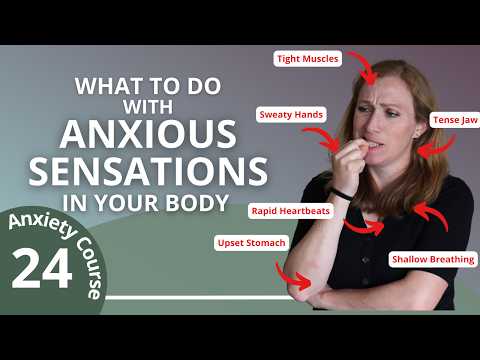
You know that feeling when your stomach just drops out of nowhere? Like, one minute you’re fine, and the next, it’s like you swallowed a rock. I get it. It can be seriously unsettling.
That tightness or fluttering sensation often hits when anxiety comes creeping in. It might feel like your body is ready to run from a tiger… even when the only threat is an email you don’t wanna send!
Trust me, you’re not alone in this. Many people feel those cold stomach feelings, and they’re no fun at all. But hey, there are ways to handle them. Let’s chat about it!
Understanding the Connection: How Anxiety Can Affect Your Stomach and Digestive Health
Anxiety isn’t just a head thing. It can really mess with your stomach and digestive system too. You know that feeling when you’re nervous and suddenly your stomach feels like it’s doing backflips? That’s not just in your head; it’s a real connection between your brain and your gut.
When you experience anxiety, your body goes into fight-or-flight mode. This means your body gets all geared up to face whatever it thinks is a threat. In this state, energy is diverted from non-essential functions, including digestion. That’s why you might feel queasy or like something’s not right in your belly when you’re anxious.
Here are some ways anxiety can impact your stomach:
- Increased acidity: When you’re anxious, your stomach can produce more acid, which might lead to heartburn or upset stomach.
- Muscle tension: Your muscles, including those in the digestive tract, can tense up when you’re worried. This tension can lead to bloating or discomfort.
- Nausea: The brain-gut connection means that when you’re anxious, the signals sent to the gut can make you feel nauseous.
- Altered gut bacteria: Chronic anxiety can change the balance of good and bad bacteria in the gut, which may affect digestion over time.
Imagine this: You’re about to give a big presentation at work. Your heart starts racing, palms are sweaty… and suddenly that pit in your stomach shows up uninvited. You might find yourself rushing to the bathroom or feeling like you can’t eat anything afterward because every bite seems too heavy.
Another thing is what we eat when we’re anxious. Some folks turn to comfort foods—think greasy fries or sugary snacks—because they want that quick fix of happiness. But these foods often make things worse for digestion! It starts a vicious cycle where anxiety affects what we eat, which in turn affects how our bodies feel.
So what do you do about these cold stomach feelings linked to anxiety? Well, managing anxiety through techniques like deep breathing exercises or mindfulness might help ease both mental stress and physical symptoms in the tummy department. Also, keeping a consistent eating schedule—maybe even sticking with lighter meals when you’re feeling on edge—can help a lot too.
In short, don’t brush aside those stomach issues as “just stress.” They’ve got a serious link to what’s going on up top! Recognizing this connection is key to finding some relief throughout both mind and body. So take care of yourself—you deserve it!
Understanding Anxiety-Related Stomach Pain: Symptoms, Causes, and Relief Strategies
Anxiety can manifest in some pretty surprising ways, and one of the more uncomfortable symptoms is that gnawing stomach pain. You know, that cold, twisty feeling in your gut? It’s like your belly is trying to tell you something’s up. But weirdly enough, it’s not just something you ate. So, let’s break this down a bit.
When we talk about anxiety-related stomach pain, we’re looking at a mix of physical and emotional stuff. Anxiety triggers your body’s fight-or-flight response. That means your brain sends signals that can mess with all sorts of functions, including digestion. You might feel nausea or sharp cramps when anxiety kicks in, especially during stressful moments like public speaking or exams.
So what exactly causes this discomfort? Well, it often boils down to a few things:
- Stress hormones: When you’re anxious, your body releases hormones like cortisol and adrenaline. They prepare you to react quickly but can also slow down your digestive system.
- Muscle tension: Ever notice how you tense up when you’re anxious? Your abdominal muscles can get tight too, causing that uncomfortable feeling.
- Gut-brain connection: Your gut and brain are connected by nerves and chemicals. So when you’re stressed or anxious, your gut feels it too.
You might remember a time when you were waiting for results from a job interview or before stepping on stage. Your stomach flipped over as anxiety bubbled up inside of you—kind of like being on a rollercoaster without the fun part.
Now for relief strategies! Here are some ways to ease that cold stomach feeling linked to anxiety:
- Breathing exercises: Deep breathing can help calm your nervous system and ease tension. Try inhaling deeply through your nose for four counts, holding it for four counts, then exhaling slowly through your mouth for six counts.
- Meditation: Taking just a few minutes to meditate can work wonders. Focus on your breath or visualize a peaceful scene to help ground yourself.
- Gentle exercise: A walk around the block or some light stretching can release endorphins and give those tense muscles a break.
- Avoiding triggers: Pay attention to foods that might worsen symptoms—caffeine or spicy dishes could upset things if you’re already feeling anxious.
And hey, don’t forget about talking it out with someone—a friend or therapist can offer support and share techniques that have helped them too.
In short, anxiety-related stomach pain isn’t just in your head; it’s very real and tied to how stress affects our bodies. It’s important to be gentle with yourself when you’re feeling this way because it’s totally okay not to feel okay sometimes! Using these strategies might help ease the discomfort so you can find some peace amidst the chaos of anxiety.
Effective Strategies to Alleviate Stomach Pain Caused by Anxiety
Anxiety can really mess with your stomach, right? You might feel those weird, cold feelings creeping in when you’re stressed. It’s like your gut has a mind of its own. There are actually some effective strategies you can try to ease that stomach pain. Let’s break it down.
First off, deep breathing exercises can be a game changer. When you’re anxious, your body goes into fight-or-flight mode, which messes with your digestion. By breathing deeply, you send signals to your brain that it’s time to chill out. Give this a go: inhale for four counts, hold for four counts, and exhale for six counts. Do this a few times until you feel a bit more relaxed.
Another thing to keep in mind is your diet. Eating smaller meals instead of large ones can help ease that anxiety-related stomach pain. Heavy meals can make you feel bloated and uncomfortable. So try munching on lighter snacks throughout the day instead of going for big lunches or dinners.
Also, hydration matters! Drinking water can help with digestion and keep things moving along smoothly in your stomach. Pay attention though; caffeine and sugary drinks might make anxiety worse—so maybe steer clear of those if they bother you.
You might want to consider mindfulness meditation, too. It sounds all zen and stuff but seriously, focusing on the present moment helps reduce anxiety levels. Find a quiet spot and try to concentrate on the sensations around you—like the feel of your chair or the sound of birds outside.
Physical activity is another effective strategy! Going for a walk or hitting up some yoga not only gets those endorphins flowing but also helps regulate digestion. Just remember not to overdo it; even light exercise can make a difference!
Lastly, if these feelings persist or get too intense, don’t hesitate to reach out for support from a professional who gets how anxiety affects us physically and emotionally. Sometimes talking things out helps more than we think!
So there you have it: some strategies to help with that cold stomach feeling related to anxiety! Try them out and see what works best for you—it’s all about finding what fits into your life comfortably.
So, you know those moments when your stomach feels like it’s hitched a ride on a rollercoaster? Yeah, that cold, uneasy feeling can be a real trip when anxiety sneaks in. It’s like your body is trying to send you a message, but you’re not quite sure what it’s saying. Maybe you feel a little nauseous, or perhaps it’s just a tight knot that won’t budge.
I remember this one time I had to give a presentation at work. My palms were sweaty, and my heart was racing, but the kicker was my stomach. It felt like ice water sloshing around in there! I thought I was gonna be sick right before walking into that conference room. Just my luck, huh?
So here’s the deal: anxiety can mess with your body in weird ways. That cold stomach feeling comes from your brain firing off signals—like fight or flight mode—and it’s totally linked to how you’re feeling emotionally. When you’re anxious, your brain kicks into high gear and says “Whoa! Something’s up!” Your body responds by sending blood away from your stomach to other parts of your body — which is why things can feel all twisted inside.
But there are some ways to deal with these cold-feeling moments. Grounding techniques work wonders for some people; focusing on things around you helps bring you back to the present instead of spiraling into worry town. You could do something simple like taking deep breaths or even squeezing a stress ball while thinking of something that makes you laugh — which can totally lighten up those icy sensations.
And let’s not forget about talking it out. Sometimes sharing what’s going on in your head can relieve the pressure that adds to those physical feelings in your stomach too. Whether that’s with friends or even a therapist, getting that stuff off your chest is always a good move.
So if you’re sitting there with that cold stomach feeling creeping up on you again, just know it’s okay! You’re not alone in this weird experience called human emotions. Finding little ways to cope can help make those feelings less daunting and way more manageable. Remember: acknowledge what’s happening and give yourself some grace—you’re doing the best you can!