Hey, have you ever wondered why you’re drawn to certain colors? Like, why you can’t resist a deep blue or find comfort in a warm, sunny yellow? It’s not just about aesthetics; there’s some cool psychology behind it!
Colors can really say a lot about your personality. They can reflect your mood, your vibe, even how you connect with the world around you. Seriously!
So let’s unpack this color personality thing together. You might discover something new about yourself that’ll leave you thinking, “Whoa, that makes total sense!” Sound good? Let’s jump in!
Unlocking Self-Awareness: Exploring the 4 Colors of Insights for Better Mental Health
So, let’s talk about self-awareness and how understanding your color personality can actually boost your mental health. It’s pretty cool when you think about it. The idea is that different colors represent different personality traits, and recognizing which color you lean towards can give you some solid insights into your emotions, motivations, and behaviors. You with me? Cool!
Now, there are four main colors that people often talk about: red, blue, green, and yellow. Each one has its own vibe and understanding these can really help you see what makes you tick.
Red:
If you’re a red personality, you’re probably ambitious and assertive. You like to take charge and get things done. You’re also likely to be passionate about your goals. However, watch out for the intense side of red — sometimes it can lead to anger or frustration if things don’t go your way. Picture this: a friend of mine who’s super driven constantly felt stressed because he needed everything to go perfectly at work. Once he recognized he was a red, he started managing his expectations better.
Blue:
Blue personalities are all about depth and sensitivity. If you’re a blue, you’re usually deep thinkers who value emotional connection. But on the flip side, you might struggle with overthinking or getting stuck in your feelings. Let’s say someone close to you is blue; they might dwell on problems instead of tackling them head-on. Once they realized they were blue, it helped them work on being more proactive rather than just reflective.
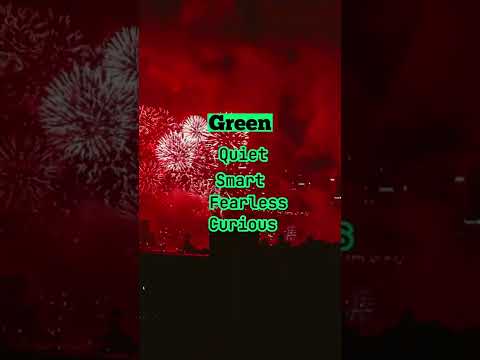
Green:
Greens are usually very calm and balanced people; they value harmony in their relationships. If this is you, that means you’re probably great at listening and empathizing with others! But sometimes greens have trouble asserting themselves or making decisions because they want everyone to be happy first — even if it means putting themselves last! I remember a green friend who always said “yes” to everything but would end up feeling overwhelmed.
Yellow:
If yellow is your jam, then creativity and optimism define you! Yellows are enthusiastic free spirits who bring joy wherever they go! Yet this sunny disposition can sometimes mask deeper issues like fear of failure or not being taken seriously by others. There was this time my yellow buddy wanted to try stand-up comedy – so funny! – but he hesitated because what if people didn’t laugh? Recognizing his yellow helped him embrace vulnerability.
So here’s where it gets interesting: understanding these colors isn’t just some quirky thing; it’s actually a chance for better mental health! By recognizing which color resonates with you the most:
And the beauty part? You begin building healthier relationships too! When other people recognize their colors as well, it creates this awesome dynamic where everyone understands each other better.
And remember—this isn’t meant to box anyone in. It’s just a guideline, right? Self-awareness is truly an ongoing journey! So maybe take a moment today and reflect on what color speaks to you most—because that awareness could lead to some pretty big “aha” moments in life.
Evaluating the Accuracy of the Insights Personality Test: What You Need to Know
Evaluating personality tests can be a bit tricky, especially when it comes to something like the Insights Personality Test. You might have heard about it in passing or maybe even taken it yourself. The thing is, figuring out how accurate these tests are can really depend on a few different factors.
What Is the Insights Personality Test?
Basically, this test categorizes you into color-coded personality types. You might get classified as a Red, Blue, Green, or Yellow based on your answers to various questions. Each color represents certain traits—like Reds may be seen as assertive and decisive, while Blues might be more analytical and detail-oriented.
The Science Behind It
Now, here’s where things get interesting. The Insights test is not exactly backed by solid scientific data like some other personality assessments (you know, like the Myers-Briggs Type Indicator). It uses a model called *Carl Jung’s psychological types*, but it’s important to remember that personality isn’t black-and-white. It’s fluid and complex.
Reliability and Validity
You’ve probably heard of reliability and validity in testing before. Reliability refers to whether the test produces consistent results over time. Validity means it measures what it claims to measure. For the Insights test, some people swear by its accuracy for self-discovery, while others find it too simplistic.
Subjectivity of Personality
Here’s the catch: people are unique! You might score as a Yellow one day and then lean more towards Green another day depending on your mood or life circumstances. You follow me? That’s why relying solely on one test can limit your understanding of yourself.
Critical Thinking Matters
It’s super important to approach these kinds of tests with a critical eye. If you use one personality framework to define yourself completely, you could totally miss out on discovering other facets of your personality that aren’t covered by rigid categories.
Practical Usefulness
Still, don’t throw the baby out with the bathwater! Many people find value in understanding their primary traits through this lens—it can help improve communication and teamwork in settings like work or school. If you know someone is more of a Red type, you may adapt your approach when collaborating with them.
Anecdote Time!
Let me share something personal here: I once took this test during a workshop at work. I came out as Blue! At first I was skeptical—it felt so boxed in; but over time I saw how my tendency to analyze situations helped my team make better decisions during projects. It was an “aha” moment that made me appreciate what these insights could offer—even if they’re not perfect!
So really—while The Insights Personality Test has its merits for self-exploration and improving interaction with others, just keep in mind it should be one tool in your mental toolbox—not the only one! Remember that everyone is multi-dimensional, just like life itself!
Exploring Free Alternatives to Insights Discovery: What You Need to Know
So, you’re curious about free alternatives to Insights Discovery, huh? That’s totally legit. Understanding personality types can really change how you communicate and relate to others, but sometimes paying for that info isn’t in the budget. No worries! There are definitely some cool resources out there that can help you get a grasp on personality insights without breaking the bank.
First off, what is Insights Discovery? It’s a personality assessment tool based on Carl Jung’s work that categorizes people into four color types: Red (Dominance), Blue (Analytical), Green (Supportive), and Yellow (Inspirational). It’s all about helping folks understand their behaviors and improve teamwork. But if you’re looking for something similar without the cost, here are some options:
- 16 Personalities: This is a free online test based on the Myers-Briggs Type Indicator (MBTI). You answer a series of questions, and it gives you one of 16 personality types. It’s user-friendly, with great descriptions about your strengths and weaknesses.
- Big Five Personality Test: This one dives into five major personality traits—Openness, Conscientiousness, Extraversion, Agreeableness, and Neuroticism. There are many free versions online that offer decent insights after you complete a short questionnaire.
- DISC Assessment: While many DISC assessments charge money, there are some free versions available online. DISC sorts people into four types: Dominance, Influence, Steadiness, and Conscientiousness—similar vibes as Insights Discovery.
- Enneagram Test: This model identifies nine different personality types based on core motivations and fears. Free tests exist online; they help you explore not just your behavior but also your underlying emotional drivers.
- Human Metrics: This site offers various free quizzes that give you information related to MBTI types and other personality frameworks. The results usually come with detailed analyses which can be quite helpful.
Now let me throw in a personal story here—you know how life hits sometimes? A friend of mine took the 16 Personalities test out of sheer boredom one day. Turns out she was an ENFJ—like super outgoing and empathetic! She then used her results to communicate better at work and even mend some friendships. It’s amazing how these insights shaped her approach to life.
But remember: while these tools can be enlightening, they’re not definitive labels. They’re more like guides or starting points for understanding yourself better or improving how you connect with others.
So yeah! If you’re keen on diving into yourself or working on relationships without spending cashola on Insights Discovery, these alternatives could be just what you need! Give them a try; who knows what you’ll discover about yourself?
You know, it’s funny how colors can totally vibe with our moods and personalities. Like, have you ever noticed how wearing a certain color can lift your spirits or maybe even make you feel a little down? It’s wild when you think about it. Color psychology isn’t just some fluff; there’s real stuff behind it.
I remember this one time I was feeling super low, just like gray clouds hanging over me, you feel? I decided to throw on some bright orange—a bold choice for my usual black-and-gray wardrobe. And wow! Just that little change made me feel so much more alive. It was like the color spruced up my insides too. Crazy how that works, huh?
Colors communicate feelings without words. You might hear people say blue is calming, while red stirs up excitement or even anger. There’s this concept of color personality—which suggests that the colors you’re drawn to can reveal bits about your character and emotional state. For example, if you’re always leaning towards greens and blues, maybe you’re a chill person who loves nature and harmony.
But then again, what if you’re all about bold reds and vibrant yellows? Maybe you’re someone who’s energetic and loves the spotlight! The thing is, we each have our palettes that reflect our inner selves in unique ways.
So yeah, if you’re curious about your color personality, take a moment to think about the colors that resonate with you. Is there a specific hue that lifts your spirit? Or one that brings back memories? Just exploring these connections can open up so much understanding about yourself—like peeling back layers of an onion (but way less tearful!).
In the end, it’s not just about choosing pretty colors for outfits or decor; it’s deeper than that. It’s like finding a piece of yourself in shades and tones—and realizing how much those colors mimic our emotions and experiences can be quite enlightening!