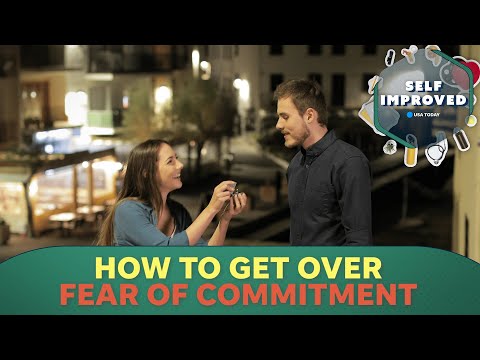
You know that feeling when you’re all in for something, but then that little voice says, “Whoa, slow down!”? Yeah, that’s commitment phobia for you. It’s like when you’re super excited about a new relationship or job, but suddenly you’re hit with a wave of doubt.
And trust me, you’re not alone in this. Tons of folks feel freaked out about commitment. It can make you question your feelings and even backpedal when things start getting real.
So, what do we do about it? The cool part is there are psychological strategies that can really help. Let’s chat about how to work through those fears and embrace the connections and opportunities that matter to you!
Overcoming Commitment Phobia: Effective Strategies for Building Healthy Relationships
So, let’s talk about commitment phobia. You know that feeling when you’re really into someone but the thought of being tied down freaks you out? Yeah, a lot of people deal with that. It’s like standing at the edge of a pool and not wanting to jump in because of those pesky fears. But don’t worry, there are ways to help overcome that fear and build healthier relationships.
Understanding Commitment Phobia
First off, commitment phobia often stems from past experiences like betrayal or abandonment. You might remember a friend who always backed out of plans or had a hard time getting serious with anyone. They probably had their reasons. It’s all about those emotional scars that make jumping into something real feel scary.
Reflect on Your Fears
A great first step is taking some time to really dig into what’s going on inside your head. Why do you feel hesitant? Is it fear of losing yourself? Or maybe you’re scared of being vulnerable? Try keeping a journal to track your thoughts and feelings. Writing it down can help you find patterns and pinpoint specific worries.
Take Baby Steps
You don’t have to dive right into a long-term relationship—you can always start small. Try dating casually without serious expectations at first. Go out for coffee or take a walk in the park—just hang out! Getting comfortable with someone without pressure can be super helpful.
Communicate Openly
When you’re ready, talk about your fears with the person you’re dating. Like, be honest about how commitment makes you feel! Most people appreciate transparency and may even share their own struggles too. It opens the door for deeper connection—trust me on this one.
Setting Boundaries
Boundaries are your friend! Know what makes you comfortable and what tips the scale towards anxiety. If certain topics feel overwhelming, it’s okay to say so! Setting boundaries shows you care about your well-being while still being open to exploring a relationship.
Learn from Past Relationships
Reflecting back on past relationships is crucial too—what went wrong? Was it lack of communication or just different life goals? Each experience teaches us something valuable, so take those lessons along with you as you move forward.
Seek Professional Help
Sometimes talking things out with a therapist is the best way to uncover deeper issues related to commitment phobia. Therapy can give you tools to handle fears while also helping improve self-esteem and relationship skills.
Cultivate Your Own Interests
Don’t forget about yourself! Engaging in hobbies or spending time with friends helps create balance in your life. When you’re happy and fulfilled on your own, it eases the pressure in relationships too.
Breathe Through Anxiety
When anxiety creeps up during moments that require vulnerability, try some relaxation techniques: deep breathing exercises or mindfulness practices can really help calm those racing thoughts down.
In wrapping this up, overcoming commitment phobia won’t happen overnight; it takes time and effort. But by understanding yourself better, setting intentions in your relationships, and seeking help when needed—you can gradually build healthy connections without feeling overwhelmed by fear. Remembering that it’s okay to be scared but still enjoy connections can make all the difference!
Effective Coping Strategies for Overcoming Phobias: A Comprehensive Guide
Coping with phobias can feel like being stuck in a room with a scary monster. It’s overwhelming, and you might feel like there’s no way out. But just know, there’s hope! You can tackle those fears and take back control. Here are some effective strategies to help you, or someone you know, overcome phobias, especially when it comes to something like commitment phobia.
Understand Your Phobia
First off, it’s super important to understand what exactly your phobia is about. Is it the fear of relationships? Or maybe it’s tied to vulnerability? Recognizing the root cause can give you some clarity. Think about what triggers your fears and how they make you feel. Getting that grip on your feelings is key.
Gradual Exposure
Ever heard of desensitization? It sounds fancy, but it’s pretty simple. Imagine dipping your toes in a pool before diving in. You start small—maybe by talking about commitment casually with friends—before taking bigger steps, like discussing your feelings in a relationship setting.
- Step 1: Start by watching romantic movies.
- Step 2: Share thoughts on relationships with trusted buddies.
- Step 3: Gradually aim to have an open conversation with your partner about future commitments.
Cognitive Behavioral Therapy (CBT)
This is where things get really interesting! CBT focuses on changing negative thought patterns that fuel your phobias. A good therapist will help guide you through this process. You’ll learn how to challenge those scary thoughts head-on.
For instance, let’s say you think: “If I commit, I’ll get hurt.” Your therapist will help you reframe that thought into something more positive and realistic: “Being vulnerable might be challenging but can lead to meaningful connections!”
Meditation and Mindfulness
These techniques are all about being present and calming the mind. Think of mindfulness as giving yourself a mental hug. When anxiety kicks in, deep breathing exercises or meditation can pull you back from the edge.
Try this: sit quietly for five minutes and focus on your breath. If any anxious thoughts pop up—just acknowledge them without judgment and gently bring your focus back to breathing.
Simplifying Commitment
Sometimes commitment seems huge and terrifying because we overthink it. Try breaking it down into bite-sized pieces! Instead of obsessing over “forever,” think about today or this week.
You could set small goals such as planning a date night or discussing where the relationship is headed casually—without pressure!
Create a Support System
Don’t shy away from asking for help! Talk to friends or family who understand what you’re going through or even join support groups where people share similar struggles. Connecting with others who get it can lighten the load—you are not alone!
Remember my friend Jake? He had serious commitment issues because he feared repeating his parents’ mistakes in relationships. Opening up to his buddies helped him realize he wasn’t in this alone; they had their own stories too!
So there we go! Working through phobias takes time and patience—but you’ve got what it takes! Whether it’s understanding your fears better or gradually facing them head-on, take small steps toward healing at your own pace—it’s totally okay!
Understanding Commitment Issues in Individuals with BPD: Causes and Effects
Understanding commitment issues in folks with Borderline Personality Disorder (BPD) can feel a bit like peeling an onion—there are layers, and sometimes it makes you want to cry. So, let’s break it down together.
People with BPD often struggle with intense emotions. Relationships can be really overwhelming. You might feel like you’re on a rollercoaster that you can’t get off of. One minute everything feels perfect, and the next, you feel panicked or abandoned. This emotional instability can trigger commitment issues because the idea of being vulnerable feels terrifying.
Another factor is fear of abandonment. Many people with BPD have faced some kind of loss or trauma. It sets off this alarm bell in your head—the thought that people will leave you. So, what do you do? You keep everyone at arm’s length. You protect yourself by avoiding deep commitments because you think if you don’t get too close, it won’t hurt so much when they leave.
Then there’s the whole thing about identity issues. Individuals with BPD often struggle to have a stable sense of self. Like, who am I, really? This confusion makes it hard to commit to someone else when you’re still figuring out who you are! The fear that someone might see the “real” you can feel paralyzing.
On top of all this, there’s impulsivity. People with BPD may act first and think second—especially when emotions run high. This could mean jumping into relationships quickly but then backing out just as fast when things start getting serious. It’s a catch-22—you want that intimacy but also fear what it brings.
Now let’s talk about the effects. Not addressing these commitment issues can lead to:
- Relationship turmoil: Constant ups and downs make relationships chaotic. One moment you’re all in; the next minute, you’re ghosting.
- Loneliness: The desire for connection clashes with self-protection instincts.
- Regret: Looking back and wishing things could’ve been different creates a heavy emotional weight.
So how do we heal this commitment phobia? Psychological strategies focus on understanding these feelings more deeply:
- Therapy: Dialectical Behavior Therapy (DBT) is often effective for BPD; it helps regulate emotions and understand patterns.
- Avoidance recognition: Being aware of when you’re pulling away can give you a chance to choose differently.
- Gradual exposure: Taking tiny steps towards intimacy rather than diving headfirst can help build trust without feeling overwhelmed.
It’s tough work but doable! Healing isn’t linear—it’s more like climbing a mountain where sometimes you slip back down before moving up again.
You know what? It takes time and patience—not just from yourself but also from those who care about you. So hang in there; understanding these issues is just one step toward building healthier relationships!
Alright, let’s talk about commitment phobia. You know, that feeling when you’re dating someone awesome, but you can’t help but get cold feet about taking things to the next level? It’s like standing at the edge of a diving board—your heart races, and your mind screams for safety while everyone else seems to be jumping in without a second thought.
I remember talking to a friend who was all into this person she clicked with. They had fun together, shared laughs, and everything seemed perfect. But as soon as he brought up the idea of being exclusive, she practically ghosted him. It was heartbreaking to watch her struggle with it because deep down, I knew she wanted that connection. But her fear made her bolt.
So, what is it that makes someone pull away? Well, for many people with commitment phobia, it often stems from past experiences—maybe they’ve been hurt before or saw their parents go through a nasty breakup. These little stories we tell ourselves can seriously mess with our ability to open up fully in relationships.
But guess what? There are psychological strategies out there that can help tackle this issue head-on. One approach is cognitive behavioral therapy (CBT). Sounds fancy, but really it just means examining those pesky negative thoughts that pop up and replacing them with more positive ones. For example, your inner voice might say “What if I get hurt?” A CBT strategy would flip that on its head: “What if this turns into something amazing?”
Another helpful tactic is emotional exposure therapy—basically taking small steps towards commitment so you don’t feel overwhelmed. Like maybe having a conversation about feelings or planning a weekend trip together. Little by little, those fears start feeling less intimidating.
And here’s where mindfulness comes in too—a way to ground yourself in the present rather than getting lost in worries about what might happen down the road. Just breathing and focusing on right now can do wonders.
So if you or someone you know is dealing with commitment fears, it’s important to remember: healing isn’t always linear or easy—but there are paths forward! It’s okay to take your time figuring things out. Healing looks different for everyone but embracing those feelings instead of running away? Well, that’s where real growth happens.
Just like my friend who eventually opened up after some self-reflection and therapy sessions—she found herself ready not just for love but also for being vulnerable and brave enough to jump into the deep end when she met someone who felt right!