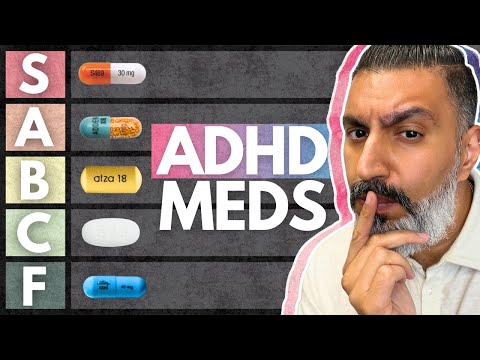
So, let’s talk about ADHD medications for a sec. You might be wondering what’s out there, or maybe you have a friend who’s been prescribed something and you’re curious.
ADHD can feel like your brain’s running a marathon while you’re just trying to sit still. It can be intense, right? And the thing is, meds can really help folks manage that whirlwind.
But, believe me, it’s not one-size-fits-all. There are different types of medications that work in totally different ways. Some speed things up, while others might help you chill out a bit.
You know how sometimes life feels like a chaotic puzzle? Meds might just be the piece to help it all fit together better. Let’s break it down!
Understanding Mood Stabilizers: A Guide for Managing ADHD Symptoms
Managing ADHD can be a bit of a rollercoaster, right? One moment you’re hyper-focused, and the next, you’re bouncing off the walls. That’s where **mood stabilizers** come into play. They’re often discussed in relation to conditions like bipolar disorder, but they can also be helpful for some folks with ADHD. Let’s break it down.
First off, what are mood stabilizers? These meds help keep your emotions steady and prevent extreme mood swings. But how does that relate to ADHD? Well, people with ADHD often experience emotional dysregulation—basically, their feelings can swing pretty wildly. So, using a mood stabilizer could smooth out those ups and downs.
A common question is when are mood stabilizers appropriate? They might be prescribed if someone with ADHD is also dealing with intense mood fluctuations or irritability that traditional ADHD medications aren’t fixing. It’s like trying to fix a leaky faucet; sometimes you need specialized tools.
Here’s the thing: every person is different. Some may find that these medications offer enough relief from emotional turmoil that they can function better in day-to-day life. And that’s crucial for things like school or work, where focus and emotional control matter a lot.
You might wonder about side effects. Like any medication, they come with potential downsides—weight gain, fatigue, or even headaches are on the list. It’s important to talk with your doctor about what you’re experiencing because finding the right balance can take time.
Also important are the different types of mood stabilizers. Some popular choices include:
- Lithium: Typically used for bipolar disorder but sometimes helps with mood regulation.
- Divalproex Sodium: This med is effective in calming manic episodes and might help with aggression associated with ADHD.
- Lamotrigine: More commonly known for treating seizures but also helps manage mood in some cases.
Now let’s consider an example—it can help visualize this whole thing better. Imagine Sarah, who has ADHD and struggles with sudden bouts of anger when things don’t go her way. It disrupts her school life; she can’t concentrate on her studies when she feels like that! After chatting with her doctor, they decide to try a low dose of lamotrigine alongside her regular ADHD medication. Over time, Sarah finds she gets less irritable and can focus more on her homework without distractions from emotional outbursts.
One last note: working closely with your healthcare provider during this process is crucial—that way you both ensure that you’re getting the best possible results without unnecessary side effects messing things up.
In sum, while mood stabilizers aren’t typically the first line of attack for managing ADHD symptoms alone, they can provide extra support where it’s needed if emotions are getting out of whack too much. Always consult your doctor or mental health professional about options tailored specifically for you or someone you care about!
Best Medications for Managing ADHD and Anxiety: A Comprehensive Guide
Managing ADHD and anxiety can feel like you’re juggling a dozen things at once. It’s like your brain is a busy intersection with cars zooming in every direction. Sometimes, medications can help ease that chaos. Let’s break down what’s out there for both ADHD and anxiety.
For ADHD, the go-to medications mostly fall into two categories: **stimulants** and **non-stimulants**.
Stimulants: These are often the first line of treatment and can be pretty effective. They work by increasing levels of certain neurotransmitters in your brain, mainly dopamine and norepinephrine, which help focus and attention.
Now, if stimulants aren’t cutting it for you, or if they cause too many pesky side effects, there are non-stimulant options. These might take longer to kick in but can be great alternatives.
Moving on to anxiety—that’s a whole different ball game but sometimes overlaps with ADHD treatment.
For anxiety, there are several types of meds you might encounter:
SSRIs (Selective Serotonin Reuptake Inhibitors): These are often prescribed as they’ve got a solid track record for anxiety relief.
Sometimes people need something stronger fast—this is where Benzodiazepines come into play. They work quickly but usually aren’t recommended for long-term use due to potential dependency issues.
It’s essential to remember that, while meds can play a key role in managing symptoms, they’re often most effective when combined with therapy or lifestyle changes. Seriously though, finding the right medication isn’t always straightforward; it often takes time and adjustments to find what works best for you.
And hey, don’t forget about potential side effects! Every medication has them—even those shiny SSRIs or stimulants you’re considering. Some people experience drowsiness while others might feel more anxious at first! Seriously annoying, right?
Just keep an open dialogue with your doctor about what you’re feeling—it’s super important when you’re figuring out your treatment plan together. In the end, everyone’s experience is different; what works wonders for one person could be a total flop for another.
So if you’re wrestling with ADHD and anxiety? No need to drown in confusion about meds—get informed! Talk it out with professionals who know their stuff so you can find the path that feels right for you.
Top ADHD Medications for Adults: Finding the Most Effective Treatment Options
When it comes to ADHD, finding the right medication can feel a bit like searching for a needle in a haystack. Since everyone’s brain is wired a little differently, what works for one person might not work for another. But don’t worry! Let’s break down some of the common medications that are often used to treat ADHD in adults.
First off, we’ve got **stimulants**. These are the most commonly prescribed medications and typically work wonders for many folks with ADHD. They boost certain chemicals in your brain that help you focus and pay attention. Here are two big players in this category:
- Adderall: This combines amphetamine and dextroamphetamine, which helps increase concentration and reduce impulsivity.
- Ritalin: This one contains methylphenidate, acting similarly to Adderall but with a different chemical makeup.
Now, here’s the thing—stimulants can sometimes come with side effects like insomnia or anxiety. But many people find that these side effects are manageable compared to the benefits of improved focus.
Then there are **non-stimulants**, which might be better suited if stimulants don’t work for you or cause too much anxiety. They generally take longer to kick in but can still be very effective. A couple of examples include:
- Strattera (atomoxetine): This one isn’t classified as a stimulant at all and works by increasing norepinephrine levels in your brain.
- Intuniv (guanfacine): Mostly used for children, but it’s sometimes prescribed to adults as well and can help with impulse control.
I remember chatting with a friend who had been on Adderall for years. She loved how focused she could be while working but struggled with insomnia at night—it was tough because that focus came at the cost of her sleep! It’s such a balancing act.
Another key point is the importance of dosage. You might start low and gradually increase until you find what feels right—a process called titration—that allows your doctor to see how you respond without overwhelming your system.
Last but definitely not least, it’s super important to keep communication open with your healthcare provider throughout this whole process. Regular check-ins ensure any side effects are addressed promptly and allow adjustments if necessary.
Remember that medication is just one part of managing ADHD. Therapy, lifestyle changes, and support systems also play vital roles in helping you stay organized and focused! The journey can be tricky, but understanding your options makes it a whole lot easier—and way less daunting.
Alright, let’s chat about ADHD medications for a sec. It’s a topic that definitely stirs up some opinions. So, Attention-Deficit/Hyperactivity Disorder, or ADHD if we’re being all casual here, can really shake things up in day-to-day life. You know how it goes—sometimes you feel like a racecar zooming without brakes, and other times you’re just stuck at a green light wondering what to do next.
When it comes to medications, there are typically two main types: stimulants and non-stimulants. Stimulants like Adderall or Ritalin are the popular kids on the block. They work pretty fast by boosting certain brain chemicals—dopamine and norepinephrine—which helps with focus and self-control. I remember chatting with a friend who’d been prescribed Adderall. She told me it was like flipping a switch; suddenly she could tackle tasks that usually felt impossible. But, of course, it’s not all sunshine and rainbows.
On the flip side, you’ve got non-stimulant options, like Strattera. These often have a more gradual effect and might be better for people who can’t handle the side effects of stimulants or who have anxiety issues on top of ADHD. A buddy of mine took Strattera for a while and found it helpful for his concentration without making him feel jittery.
But here’s the kicker: not every medication works the same for everyone! Sometimes finding the right one feels like trying on shoes at three different stores before you find your fit—you know? Some people may experience side effects that are less than ideal—like trouble sleeping or low appetite—which is worth talking through with your doc.
Another thing to keep in mind is that medication alone isn’t always enough. Many find that therapy alongside meds really makes a difference in managing symptoms better. It’s sort of like having both your feet planted firmly on solid ground instead of tiptoeing on a tightrope.
So yeah, ADHD meds can be incredibly helpful tools for mental health support but always consider them as part of the bigger picture when it comes to managing life with ADHD! You’ve got options out there—you just gotta find what works best for you!