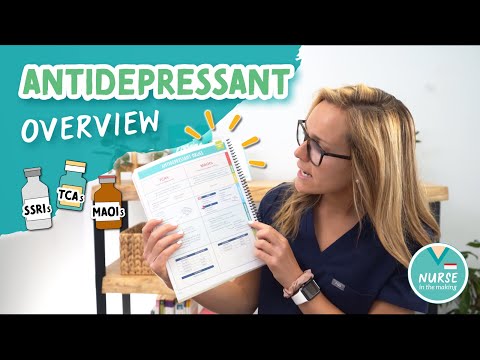
You know that feeling when your mood’s all over the place? One minute you’re fine, and the next, everything feels heavy. Yeah, it can be a lot sometimes.
Antidepressants might come up in conversation as a way to help. But what are they really? Seriously, if you’ve ever been curious about how these meds work (or if they even do), you’re not alone.
Let’s chat about the different types and what they do to your mood. Spoiler alert: it’s not just about popping a pill and instantly feeling better. There’s a bit more to it than that!
The Three Most Commonly Used Depressants: Understanding Their Impact on Mental Health
So, let’s chat about depressants. No, not the kind that bring you down in a party kind of way. I’m talking about the medications often used to treat depression and mental health issues. You might be curious about how these work, right? Well, there are three main players in this game: SSRIs, SNRIs, and atypical antidepressants. Each has its own vibe and impacts on mood.
- SSRIs (Selective Serotonin Reuptake Inhibitors): This group includes well-known names like fluoxetine (Prozac) and sertraline (Zoloft). They boost serotonin levels in your brain, which can help lift your mood. Think of serotonin as the happy chemical; it’s all about feeling good. Many people find relief from symptoms of anxiety and depression with these meds.
- SNRIs (Serotonin-Norepinephrine Reuptake Inhibitors): Here we have medications like venlafaxine (Effexor) and duloxetine (Cymbalta). SNRIs not only increase serotonin but also norepinephrine, another neurotransmitter that affects mood and energy levels. So, if someone feels sluggish or down all the time, SNRIs could be a game changer.
- Atypical Antidepressants: This is a mixed bag, including drugs like bupropion (Wellbutrin) and mirtazapine (Remeron). They don’t fit neatly into the other categories but can still provide relief for many folks. For instance, bupropion is often used for people who may struggle with fatigue or those who want to stop smoking because it doesn’t typically cause weight gain like other antidepressants can.
Now, let’s not forget that everyone reacts differently to these meds—like how your friend loves spicy food but you think it’s torture! Some folks feel better within weeks while others might take longer to experience changes. It all depends on your unique brain chemistry.
Besides their intended effects on mood, antidepressants can carry side effects too. You might hear stories of dizziness or dry mouth—nothing fun there! And sometimes they can take several weeks before you see any real difference. That’s why keeping a close dialogue with your doctor is essential; they can help tweak things if needed.
Remember how we said each person’s response varies? Picture this: Sarah tried an SSRI after feeling stuck in a dark place for months. It took her a while to notice improvement—but once she did? Wow! She found joy in her hobbies again. Meanwhile, Tom tried an SNRI but didn’t feel much change at first. After chatting with his doc about it, they adjusted his dosage a bit—and suddenly he felt more motivated!
The bottom line is that understanding these common antidepressants can really help demystify them for you or someone you know who’s struggling with mental health issues. Every medication has its purpose and learning about them is a step in the right direction!
Understanding the Link Between Antidepressants and Dizziness: What You Need to Know
So, let’s talk about a pretty common concern when it comes to antidepressants: dizziness. You might be wondering why this happens and what you should know about it. It’s more common than you’d think!
First off, antidepressants can affect everyone differently. Some people feel great relief from their symptoms, and others might experience side effects like dizziness. It’s really just about how your body reacts to the medication, you know?
When we talk about antidepressants, there are a few main types:
- SSRIs (Selective Serotonin Reuptake Inhibitors) – These are often the first choice for treating depression. They work by increasing serotonin levels in your brain. Sometimes, though, they can mess with your balance.
- SNRIs (Serotonin-Norepinephrine Reuptake Inhibitors) – Similar to SSRIs but also target norepinephrine, which can help with mood and anxiety. Dizziness is still a possibility here.
- TCA (Tricyclic Antidepressants) – These are older meds that can be very effective but often come with more side effects, including dizziness.
- MAOIs (Monoamine Oxidase Inhibitors) – These are less common now due to dietary restrictions but can also cause dizziness.
Now, what causes this dizzy feeling? Well, there are a few different mechanisms at play.
For starters, some antidepressants can affect your blood pressure. If you stand up too quickly after sitting or lying down—what they call “orthostatic hypotension”—you might feel lightheaded or dizzy. This is because the medication changes how your body manages blood pressure.
Another big factor is serotonin levels. An increase in serotonin can lead to changes in your vestibular system (the part of your body that helps balance). That change could make you feel like you’re spinning or unsteady.
Also, if an antidepressant dose is adjusted too quickly—maybe increased or decreased—you may experience temporary dizziness as your body adjusts.
You might think this stuff doesn’t matter much day-to-day unless you’re actually taking these meds. But trust me! Being informed helps you understand what’s going on in your body.
If you’ve ever had that dizzy feeling after starting a new prescription or changing doses—what did you do? Maybe you waited it out? That’s usually okay! But if it becomes bothersome or persistent? It’s seriously worth chatting with your doctor about it.
And remember: dizziness isn’t just from antidepressants. It could stem from anxiety itself or even other medications you’re taking alongside those antidepressants.
So make sure to keep an eye on what you’re feeling and don’t hesitate to share everything with health professionals. They want to help! Plus, all these factors vary widely per individual; what works for one person doesn’t always work for another.
In summary, while experiencing dizziness on antidepressants is fairly common and often manageable—as long as you’re aware of what’s happening—it’s always best to communicate openly with your healthcare provider if anything feels off.
Top 10 Antidepressant Medications: Understanding Your Options for Mental Health
Sure, I’ll break this down for you simply. Antidepressant medications can be a big part of how people manage their mental health, especially when dealing with things like depression and anxiety. Let’s explore some common types of these medications and what they do.
1. Selective Serotonin Reuptake Inhibitors (SSRIs)
These are probably the most well-known antidepressants out there. They work by increasing serotonin levels in your brain, which can help improve your mood. Some common SSRIs include:
- Fluoxetine (Prozac)
- Citalopram (Celexa)
- Escitalopram (Lexapro)
- Sertaline (Zoloft)
Imagine you’re at a party, and everyone’s chatting away, but one person keeps hogging the conversation—yeah, that’s like serotonin in your brain when you’re feeling low. SSRIs help that person share the mic.
2. Serotonin-Norepinephrine Reuptake Inhibitors (SNRIs)
SNRIs work on both serotonin and norepinephrine, another neurotransmitter that affects mood and energy levels. This can be helpful for people who struggle with both depression and chronic pain. Some examples are:
- Duloxetine (Cymbalta)
- Venlafaxine (Effexor XR)
Think of SNRIs as the party planners—they’re trying to get everyone engaged, not just the talkative ones.
3. Atypical Antidepressants
These don’t fit neatly into other categories but can still be effective. For example:
- Bupropion (Wellbutrin) is often used for depression but also helps with quitting smoking.
- Mirtazapine (Remeron) is known for helping people sleep better.
It’s like bringing in a surprise guest to shake things up at that same party; sometimes an unexpected change is just what you need.
4. Tricyclic Antidepressants (TCAs)
These are older medications that can still be effective but come with more side effects than newer meds. Examples include:
- Amitriptyline
- Nortriptyline (Pamelor)
So it’s kind of like taking a classic car out for a spin—cool but maybe harder to handle than newer models.
5. Monoamine Oxidase Inhibitors (MAOIs)
Also on the older side, MAOIs require dietary restrictions since they interact poorly with certain foods like aged cheese or processed meats. Common examples are:
- Phenelzine (Nardil)
These guys are more specialized, kind of like a vintage wine—you have to know exactly how to enjoy them without ruining the experience!
6. Ketamine and Esketamine
Not your traditional antidepressants! These are often used as treatment-resistant options and act quickly compared to others. They can really change someone’s outlook almost overnight if given under proper supervision.
Remember hearing stories about people experiencing relief after just one dose? That’s ketamine doing its thing!
7. Omega-3 Fatty Acids
While not «meds» in the traditional sense, research shows omega-3 supplements may help improve mood for some individuals who experience depression.
Think of it as a supportive friend showing up to lift your spirits without making any noise!
8. St John’s Wort
This herbal remedy has been around forever, believed by many folks to help alleviate mild depression symptoms without prescriptions.
But hey—it interacts with other medications, so make sure you chat with your doc before diving in!
9. N-acetylcysteine (NAC)
A supplement known for its potential mood-enhancing benefits might also support mental wellness alongside other treatments.
It’s like having an extra boost when you’re trying to train for something!
10. Transcranial Magnetic Stimulation (TMS)
Okay, not exactly a medication here—but it’s worth mentioning! TMS uses magnetic fields to stimulate nerve cells in the brain and can provide relief from depression without meds.
It’s sort of like rebooting your computer when things get sluggish; sometimes you need that reset!
So there you go! Each type works differently depending on your specific needs—and figuring those out usually takes time and patience with a healthcare provider who knows you well enough to tailor a plan just right for you!
So, let’s chat about antidepressants for a sec. It’s kinda one of those topics that can feel heavy or confusing, but really, it just boils down to how they help people manage their mood and emotional well-being. You know?
There are several types of antidepressants out there, each working in its own way. The most common ones are SSRIs, or selective serotonin reuptake inhibitors. Seriously, that’s a mouthful! But what they do is pretty straightforward. They help by increasing serotonin levels in your brain, which is basically like giving your mood a little boost. Think of it as turning up the volume on a favorite song to help drown out everything else.
Then you’ve got SNRIs, which stand for serotonin-norepinephrine reuptake inhibitors. These guys work on two key neurotransmitters—serotonin and norepinephrine—to help you feel more balanced emotionally. If SSRIs are like adding more colors to your mood palette, SNRIs are like blending those colors for a smoother vibe.
And hey, there are tricyclic antidepressants too! They’ve been around forever but aren’t used as much nowadays because they can have more side effects compared to the others. It’s like finding an old record; it has its charm but you might not reach for it all the time.
Now, I remember a friend who was really struggling with her mood swings and anxiety. She felt stuck in this fog that just wouldn’t lift no matter what she tried—therapy, journaling, meditation—you name it! Finally, she talked to her doctor about trying an SSRI. After a couple of weeks of adjusting doses and getting used to it all, she noticed some real changes; things felt lighter and clearer for her. It wasn’t magic overnight or anything—these things take time—but seeing her smile more often was huge.
But here’s the thing: these medications aren’t one-size-fits-all. What works wonders for one person can leave another feeling kinda off or weirded out by side effects. That’s why having open conversations with healthcare providers is so important if you’re considering this path—you want to find what fits best for you.
In the end? Antidepressants can be lifesavers when you’re navigating tough emotional waters. But remember: they’re often most effective when combined with therapy or lifestyle changes—a holistic approach if you will! It’s about finding that right balance to help keep your mood steady and improve overall well-being.
So yeah, whether you’re thinking about them yourself or just curious about how they work for others—understanding these meds makes the whole journey feel a bit less daunting.