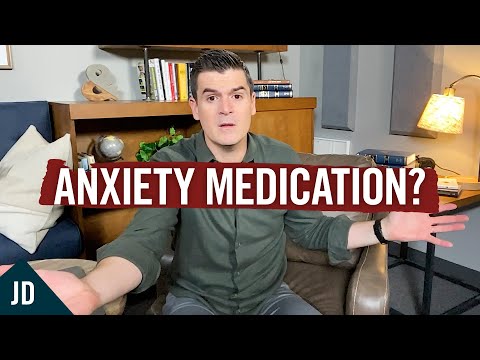
Hey! So, let’s chat about anxiety meds, okay?
You know that tight feeling in your chest when life gets too crazy? Yeah, it’s pretty common. Lots of folks deal with anxiety in one way or another.
And while some try yoga or deep breathing, others might turn to medications. But what’s the scoop on those pills?
Well, they can help a ton, but it’s not all sunshine and rainbows. There are some things you should know about their effects on your head and heart.
So, let’s break it down together!
Top Anxiety Pills with Minimal Side Effects: What You Need to Know
Anxiety can feel like a constant shadow lurking around. When it gets overwhelming, medication might be an option. There are several anxiety pills out there that people often turn to, but let’s focus on those that are known for having minimal side effects.
Selective Serotonin Reuptake Inhibitors (SSRIs) are a common choice. They work by increasing levels of serotonin in the brain, which can help lift your mood and ease anxiety. Examples include fluoxetine (Prozac) and sertraline (Zoloft). Most folks find them pretty tolerable, but some might experience mild side effects like nausea or insomnia at first.
Then we have Serotonin-Norepinephrine Reuptake Inhibitors (SNRIs), which are similar but also target norepinephrine. Venlafaxine (Effexor XR) is a popular one here. These can help with both anxiety and depression, and many people report fewer side effects compared to older medications.
Another option is Buspirone. This one is interesting because it’s not as sedating as some others and doesn’t typically cause dependency issues. People might feel a bit lightheaded initially, but serious side effects are pretty rare.
Don’t forget about Beta-blockers. While they’re mainly used to treat heart conditions, they can help with the physical symptoms of anxiety, like rapid heart rate or shaking—great for public speaking situations! They usually come with minimal side effects; dizziness or fatigue may occur, but they’re generally well-tolerated.
Now let’s talk about Hydroxyzine, an antihistamine that helps with anxiety too. It’s often used for short-term relief because it can make you drowsy pretty quickly—so not ideal for day-to-day use if you need to stay alert.
It’s crucial to keep in mind that everyone reacts differently to medications. What works wonders for one person may not do much for another—and some folks experience unexpected side effects too! If you’re considering these options, chatting with your doctor is key to finding what’s best for you.
Lastly, while medication can help manage symptoms, it’s often most effective when combined with therapy or lifestyle changes like exercise and good sleep habits—just saying! Balancing everything can lead to the best results long-term—you know?
Top 10 Medications for Managing Anxiety and Depression: A Comprehensive Guide
Anxiety and depression can sometimes feel like these heavy, invisible weights dragging you down. It’s tough, but there are medications out there that can help lighten the load. Here’s a breakdown of some common anxiety medications and their psychological effects.
1. Selective Serotonin Reuptake Inhibitors (SSRIs)
SSRIs are often the first line of treatment. Medications like fluoxetine (Prozac) or sertraline (Zoloft) help increase serotonin levels in your brain, which can boost your mood and make everything seem a little less daunting.
2. Serotonin-Norepinephrine Reuptake Inhibitors (SNRIs)
Similar to SSRIs, SNRIs work on both serotonin and norepinephrine. Things like duloxetine (Cymbalta) or venlafaxine (Effexor) can be particularly effective for anxiety as well as major depressive disorder.
3. Benzodiazepines
These are fast-acting meds like lorazepam(Ativan) or diazepam(Valium). They might help you feel calmer in moments of acute anxiety but aren’t usually recommended for long-term use due to possible dependency issues.
4. Buspirone
This is an interesting one because it works differently than many other anxiety medications. It helps reduce anxiety without the sedative effects that come with benzodiazepines, making it a solid option for some peeps feeling anxious.
5. Beta-Blockers
You might think of these as heart meds—like propranolol(Inderal)—and they can actually help with physical symptoms of anxiety like a racing heart or shaky hands, especially during performance situations. They don’t really tackle the emotional side though.
6. Atypical Antidepressants
Medications like bupropion(Wellbutrin) fall under this category. They often don’t cause the sexual side effects seen in SSRIs and are used more for depression but have been shown to help with anxiety too.
7. Tricyclic Antidepressants (TCAs)
Older than SSRIs, TCAs such as Amitriptyline are still prescribed sometimes when other treatments haven’t worked. They tend to have more side effects which is why they’re usually not the first choice anymore.
8. Monoamine Oxidase Inhibitors (MAOIs)
These rare meds, like phenelzine(Nardil), require strict dietary restrictions because they can interact badly with certain foods and drinks! They’re effective but often skipped over due to these complications.
9. Antipsychotics
Sometimes added into the mix for treatment-resistant depression or severe anxiety disorders are atypical antipsychotics such as seroquel (quetiapine). These aren’t usually your first go-to but they can make a difference when needed.
You’re Not Alone.
Remember that figuring out what med works best isn’t always easy—it often takes time and patience! And it’s super important to talk with your doctor about what you’re feeling so you guys can make informed choices together.
In short, between therapy and medication options, there’s definitely hope out there if you’re struggling with anxiety or depression! If any particular medication sounds intriguing—or concerning—chat about it with your healthcare provider so you get all your questions covered!
Top 5 Most Common Anxiety Medications: What You Need to Know
Alright, so let’s chat about anxiety medications. Anxiety can feel like an ever-present shadow, you know? And while therapy is super helpful for many, sometimes folks also need a little extra support from meds to help them cope. Here are some of the most common medications used for anxiety and what you should really know about them.
1. Selective Serotonin Reuptake Inhibitors (SSRIs)
These are often the first line of defense when dealing with anxiety. SSRIs like fluoxetine (Prozac) and sertraline (Zoloft) work by increasing serotonin levels in your brain. This is important because serotonin is a chemical that helps regulate mood. When it’s in better balance, many people feel less anxious and more stable overall.
Ever talked to someone who’s taken SSRIs? They might share how it took a few weeks to notice a change, but once they did, life felt more manageable. Just remember that side effects can include things like nausea or sleep issues.
2. Serotonin-Norepinephrine Reuptake Inhibitors (SNRIs)
SNRIs function similarly to SSRIs but also affect another neurotransmitter called norepinephrine. Common examples are duloxetine (Cymbalta) and venlafaxine (Effexor XR). They’re great choices for people who might be struggling with both anxiety and depression.
Many people find that SNRIs help reduce both physical symptoms of anxiety—like those racing heartbeats—and emotional stress too. Just be aware that they can bring on withdrawal symptoms if you suddenly stop taking them.
3. Benzodiazepines
Now, here’s something to consider: benzodiazepines like alprazolam (Xanax) or (Ativan) work fast! They target your brain’s GABA receptors quickly reducing feelings of panic or intense anxiety almost immediately. That sounds good, right?
But hold up! These meds are usually prescribed for short-term use because they can be addictive and lead to dependence if used long-term. Many people find relief in a pinch with these but need to be cautious about their usage.
4. Buspirone
Buspirone offers a different approach than the others mentioned above—it’s not as fast-acting but tends not to carry the same risk for dependency as benzodiazepines do! It takes a bit longer to kick in, typically around 2-4 weeks before its effects are felt fully.
Some folks prefer buspirone because it doesn’t have the sedative effects associated with other anti-anxiety meds; they feel more clear-headed while taking it.
5. Beta-blockers
You might not immediately think of beta-blockers for anxiety—they’re usually known for treating high blood pressure—but they’re also used for performance-related anxiety! Medications like
propranolol (Inderal) help manage the physical symptoms of anxiety, such as rapid heartbeat or shaking hands during public speaking events.
So if you find yourself sweating bullets before giving that presentation at work, beta-blockers could help keep those nerves under control!
In wrapping this up—choosing the right medication often takes time, trial and error, and lots of clear communication with your healthcare provider. And remember: medications alone don’t solve everything! They’re part of a larger puzzle along with therapy and lifestyle changes that contribute to feeling better overall.
When it comes to anxiety, a lot of folks find themselves wrestling with those pesky racing thoughts and that tightness in the chest. It can feel like you’re stuck on a roller coaster you didn’t want to ride in the first place. You might have heard about medications that claim to help ease those feelings. But like, what do those actually do?
First off, there are various types of meds out there for anxiety—like SSRIs, SNRIs, and benzodiazepines—each doing its own thing. SSRIs (Selective Serotonin Reuptake Inhibitors) are probably the most common ones. They work by increasing serotonin levels in your brain. You know that warm, happy feeling? Well, that’s partly thanks to serotonin! So when you take an SSRI, it’s like someone turns up the volume on your good vibes. It often takes time though; you usually won’t just pop a pill and feel better overnight.
Then there are SNRIs (Serotonin-Norepinephrine Reuptake Inhibitors). They go a step further by boosting both serotonin and norepinephrine—the latter being related to your body’s stress response. Basically, these meds aim to chill you out while keeping your energy levels somewhat stable.
Now let’s talk about benzodiazepines for a moment. These can be really helpful for short-term relief from intense anxiety or panic attacks but they come with their own baggage—like potential dependency issues if used long-term. So if you go this route, it’s super important to work closely with a healthcare provider.
The psychological effects of these medications can be mixed bag too. Some people feel lighter and more able to tackle life’s challenges—a little less “oh gosh!” and more “I got this.” But others might experience side effects like numbness or difficulty concentrating; imagine trying to enjoy your favorite meal but everything tastes like cardboard.
I remember talking to a friend who started taking an SSRI after dealing with generalized anxiety disorder for years. She told me about the peace she finally felt after months of riding that anxiety roller coaster endlessly—like she could finally breathe again! Yet she also mentioned feeling disconnected from her emotions at times, which was confusing for her.
So yeah, anxiety meds can help many people find their footing again but they aren’t magic solutions. They often work best alongside therapy or lifestyle changes—like exercise or mindfulness practices—to make sure you’re not just treating symptoms but actually addressing what’s going on under the surface.
In the end, if you’re thinking about trying medication for anxiety or know someone who is, it’s all about finding what works best for you personally—and understanding there’s no one-size-fits-all solution out there. The journey might be messy and complicated—but navigating through it together makes all the difference.