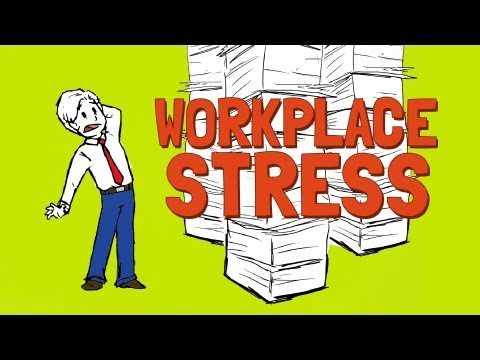
Work can be a total grind, right? You know, it’s not just about deadlines and emails. There’s a whole lot of stress lurking around.
Think about it. That feeling when your boss drops a last-minute project? Ugh, the panic! Or the endless meetings that seem to go nowhere. Seriously!
Sometimes, it feels like you’re juggling flaming torches while riding a unicycle. Yeah, I get it. It can be overwhelming.
But managing those stressors can lighten the load. It’s all about finding what works for you and making small changes.
Let’s chat about handling some of those pesky workplace stressors together. You ready?
Mastering Stress Management: Unlocking the 4 C’s for a Healthier Mind
Stress management is like learning to ride a bike. At first, it’s wobbly and scary, but once you get the hang of it, you can zoom around confidently. The key to this whole thing? The 4 C’s. They’re clarity, control, commitment, and challenge. Mastering these can really help with workplace stressors. Let’s break them down.
Clarity is all about understanding what you’re up against. Imagine you have a big project due soon and deadlines are creeping up on you. If everything feels like a jumbled mess, you might panic. Instead, take a step back. Write things down or make a list—what do you need to do? Who do you need to talk to? Having clear goals makes everything feel more manageable.
Then there’s control. We often can’t control everything at work—like your boss’s mood or sudden changes in priorities—but we can control how we respond to them. It helps to focus on what’s in your power—the quality of your work or your attitude towards problems. For instance, instead of stressing about that meeting that might get rescheduled last minute, prepare what you can ahead of time so you’re not left scrambling.
Now onto commitment. This isn’t just about being dedicated to your job; it’s also about committing to yourself and your well-being. Maybe set aside some time during the day for self-care moments—a walk outside or even just five minutes of deep breathing can do wonders for clearing your mind when things get overwhelming.
Lastly, let’s chat about challenge. This might sound funny because challenges usually give us stress rather than strength! But seeing stress as an opportunity for growth makes a huge difference. Think back on a tough situation you’ve handled at work—maybe it was presenting to a large group or managing conflicts among coworkers. Instead of shying away from these challenges in the future, embrace them! Each one teaches valuable lessons that build resilience over time.
So how do these 4 C’s tie into mastering stress management? Well, they create a solid foundation! Picture trying to balance multiple responsibilities each day at work—and feeling like you’re constantly juggling balls in the air (and let me tell you—sometimes they drop!). With clarity on tasks and prioritizing what’s important, feeling in control of reactions and responses will naturally ease up the pressure you’re feeling.
It all connects back together: commit yourself fully—not only to tasks but also toward managing stress better with those 4 C’s in mind! Embrace the challenges that come along because they’re shaping your ability to handle whatever else life throws at you down the line.
Managing workplace stress isn’t just about finding quick fixes; it’s building skills that stay with you long-term. So next time you’re at work wrestling with tight deadlines or office politics maybe remember those 4 C’s and let them guide you through it all!
Effective Strategies for Managing Workplace Stress and Enhancing Mental Health
Alright, so workplace stress can really mess with your head, right? You know how it is—long hours, tight deadlines, and sometimes people just don’t get along. That’s why figuring out some effective strategies can totally help you keep your cool and stay mentally healthy.
Understand Your Triggers
First off, it’s super important to figure out what exactly stresses you out at work. Is it that annoying coworker who never stops talking? Or maybe constant emails that just keep piling up? Knowing your triggers makes it easier to deal with them head-on. It’s like when you realize that one specific food gives you a stomach ache—you start to avoid it!
Set Boundaries
You have to establish your limits. If you’re always the go-to person for extra tasks because you’re too nice to say no, guess what? You’re going to get overwhelmed. So learn when to say no or delegate some of those responsibilities. It’s okay if everything doesn’t fall on your shoulders!
Breathe and Take Breaks
Seriously, don’t underestimate the power of a short break. When things start feeling heavy, set aside a few minutes just for yourself. Step outside if you can—nature works wonders! Even if it’s just popping into the break room for a hot cup of coffee or tea, take a moment to breathe deeply and reset.
Prioritize Tasks
Not everything is equally urgent. Make a list and tackle your tasks based on priority rather than urgency. This way, you won’t feel like you’re drowning in all the stuff that needs doing at once. Plus, crossing something off that list gives you a little mental boost!
Stay Connected
Don’t forget about your coworkers! Forming connections can really lighten the load. Chatting over lunch or even asking someone how their day is can create a sense of camaraderie. And let’s be real; having someone who gets where you’re coming from is pretty comforting.
Seek Professional Help
Sometimes managing stress on your own isn’t enough—you might need more support! It could be worth talking to someone like a therapist or counselor who understands workplace issues specifically. They can share techniques tailored just for your situation.
Cultivate Self-Care
This one’s huge! Make sure you’re spending time doing things you enjoy outside of work. Whether that’s reading, cooking, exercising—whatever floats your boat! Engaging in hobbies helps reinforce that life is not only about work and deadlines.
Acknowledge Your Achievements
You know those little wins during the workday? Celebrate them! Finished that report on time? Boom—give yourself some credit! Recognizing what you’ve accomplished helps build up motivation and keeps negative thoughts at bay.
So basically, managing workplace stress takes some effort but also understanding yourself and setting healthy habits in place can make all the difference in enhancing your mental health. Remember: you’re not alone in this struggle; lots of people are navigating similar waters too!
Top 5 Effective Strategies to Manage Workplace Stress
When it comes to workplace stress, you might feel like you’re trying to juggle flaming torches while riding a unicycle. Sounds tough, right? But there are some solid strategies you can adopt to help manage the heat and balance everything. Here’s the scoop.
1. Prioritize Your Tasks
You know that feeling when your to-do list looks like it’s from a sci-fi movie? One way to tackle it is by prioritizing. Start your day figuring out what’s urgent versus what can wait. Aim for a mix of short wins and bigger tasks, so you don’t get overwhelmed. It’s super satisfying checking off even one thing!
2. Set Boundaries
Ever found yourself at home thinking about work? Yeah, that’s common. Setting boundaries is crucial for mental peace. Let your coworkers know your limits regarding after-hours emails or calls, and stick to them! This way, you can recharge when you’re off the clock instead of worrying about tasks that can wait till tomorrow.
3. Take Breaks
Breaks are more than just coffee refills; they’re like mini vacations for your mind. Even a five-minute stretch or a quick walk around the office helps clear your head and regain focus. Seriously, stepping away from your desk every now and then can work wonders.
4. Practice Mindfulness
Mindfulness might sound trendy but hear me out: it really works! Taking a moment to breathe deeply or focus on the here and now can ground you during stressful times. Find a quiet spot (even if it’s just your car), close your eyes for a few moments, and let those worries drift away like clouds in the sky.
5. Communicate Openly
Don’t bottle up feelings; it’s not good for anyone! If something’s bothering you at work—like unrealistic deadlines or team conflicts—talk about it openly with someone who can help, whether that’s your boss or HR rep. Just sharing what’s on your mind can lighten the load.
So there you have it! Like juggling torches, managing workplace stress takes practice and patience but using these strategies could seriously make things easier for you day-to-day. Just remember that you’re not alone in this; many people struggle with workplace stress too!
Workplace stress, huh? It’s like that uninvited guest who shows up at dinner and refuses to leave. We’ve all been there—rushing to meet deadlines, navigating office politics, or just dealing with that one colleague who doesn’t get the hint about personal space. Seriously, sometimes, it feels like we’re juggling flaming torches while riding a unicycle on a tightrope.
I remember once when I was buried under a mountain of tasks at my job—it was like the universe decided to throw everything at me at once. Emails piled up, requests came pouring in, and I could practically feel the weight on my shoulders. It led me down a rabbit hole of anxiety and frustration. You know that feeling when your brain just won’t switch off? Yeah, that was me.
So how do we deal with these common stressors? First off, let’s talk about boundaries. They’re super important! If you’re working late every night because your boss has you on speed dial for “urgent” tasks—trust me; it’s time to have that chat about work-life balance. You deserve your evenings to unwind without feeling guilty.
Another biggie is communication. Seriously, if something’s bugging you at work—speak up! Whether it’s with your manager or a trusted coworker, getting it off your chest can lighten the load considerably. It’s amazing what just expressing how you feel can do for your mental health.
Then there’s the classic “take breaks” advice—which is kind of cliché but honestly works wonders. If you find yourself staring blankly at your screen after hours of working nonstop, get up! Stretch a bit or grab some fresh air—the world outside is not as scary as those spreadsheets might make it seem.
Lastly, don’t underestimate the power of self-care. This doesn’t mean an expensive spa day (though hey, treat yourself if that’s your jam). It could be as simple as curling up with a good book or binge-watching something hilarious on Netflix to reset your mind after a long day.
All these things come together to create a healthier workplace vibe—not just for yourself but for everyone around you too! Trust me; addressing those stressors doesn’t just help you breathe easier; it’s also about creating an environment where we can all thrive together. So go ahead and take small steps; even tiny changes can make a big difference—you got this!