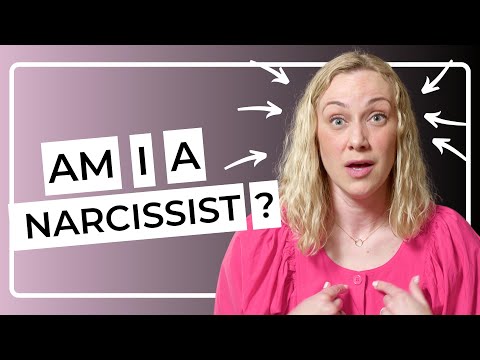
You know those people who just always seem to be the center of attention? Yeah, that might be a narcissistic personality.
It’s like they’ve got this energy that pulls you in but also kind of makes you want to back away slowly.
They can be charming, sure, but there’s usually something deeper going on. Sometimes it’s hard to figure out what’s real and what’s just a show.
So, let’s chat about some common traits of narcissistic personalities. You might spot them in your life, and trust me—it’s way more common than you think!
Understanding Narcissism: Key Traits That Define a Narcissist
Narcissism is one of those terms we throw around a lot, but it really means more than just someone being self-absorbed or vain. It’s like a complex personality style that can show up in various ways. Let’s unpack it a bit, shall we?
Narcissists often crave admiration. They have this deep-seated need for validation from others, which can make them seem charming and charismatic at first. You might notice them boasting about achievements or seeking compliments to feel better about themselves. It’s like they’re on a never-ending journey to boost their ego.
Another key trait is lack of empathy. This is huge. Narcissists usually struggle to understand or care about other people’s feelings. For example, they might dismiss someone else’s problems as trivial while only focusing on their own experiences. Imagine a friend who constantly talks about their troubles but never asks how you’re doing. Frustrating, right?
Then there’s the tendency toward exaggerated sense of self-importance. Narcissists believe they are superior to others and should be recognized as such. This can lead to them overestimating their abilities or insisting that their needs come first—always! For instance, they might demand special treatment in social situations without thinking twice.
Narcissists often exhibit manipulative behavior. They can twist situations or people to get what they want, using charm or guilt trips as tools. Picture someone who always turns the conversation back to themselves, making you feel uneasy when you’re trying to express your thoughts.
And don’t forget the fragile self-esteem. Underneath all that bravado and confidence lies a person who feels insecure and vulnerable. That’s why criticism tends to hit them hard; they might react with anger or defensiveness if you point out any flaws.
Another interesting aspect is fantasies of unlimited success and power. Many narcissists think they deserve special treatment and may fantasize about being famous or achieving greatness without putting in the necessary work. You know those people who always think they’re one big break away from hitting it big? Yeah, that’s part of it.
Finally, there’s this tendency toward exploitation in relationships. Narcissists often see people as tools to fulfill their needs rather than valuing others for who they are. Like someone who uses friends for favors but vanishes when the chips are down—classic narcissistic behavior!
So yeah, recognizing these traits can help us navigate relationships with people who display narcissistic tendencies better. It doesn’t mean everyone with one of these traits is a full-blown narcissist; it just gives you a framework for understanding potentially tricky dynamics in your life!
Understanding Narcissistic Traits in Women: Key Characteristics and Impact on Relationships
Narcissistic traits can show up in anyone, but when we talk about women, it can sometimes look a bit different. You know, there’s a lot of focus on how these traits affect relationships—not just for the person with the traits, but also for those around them. Let’s break this down.
Narcissistic Traits Overview
Narcissism is like having an inflated sense of self-importance. A person might constantly seek attention and validation from others while disregarding their feelings. Here are some common traits:
- Excessive need for admiration: This could be anything from fishing for compliments to getting upset if they’re not the center of attention.
- Sense of entitlement: They might believe they deserve special treatment or that rules don’t apply to them.
- Lack of empathy: It can be hard for them to connect with others’ feelings or see things from someone else’s perspective.
- Manipulative behavior: This might involve using charm or guilt to get what they want from people.
- Envy: They could feel jealous when other people succeed or appear happy.
Let’s say you’re talking to a friend who’s always bragging about her achievements—she can’t help but dominate conversations and seems genuinely upset if someone else shares their success. That could be a sign.
The Impact on Relationships
Having someone with narcissistic traits in your life can really shake things up. For instance, their constant need for validation can leave you feeling unsupported and unimportant. When they don’t acknowledge your accomplishments or needs, it’s draining.
Moreover, relationships often become transactional. You might feel like you’re giving more than receiving, which is exhausting over time. It’s like trying to fill a bottomless pit; no matter how much you give, it never feels enough.
Now imagine being in a friendship where your wins are downplayed and you’re only celebrated when it’s convenient for them. That kind of dynamic can lead to resentment and loneliness.
Recognizing Behavioral Patterns
Spotting these traits isn’t always easy; sometimes they’re wrapped up in charm or confidence that initially draws you in. But watch out for patterns:
- If they’re often dismissive of your emotions or struggles…
- If they seem emotionally unavailable unless it’s about them…
- If they frequently blame others instead of taking responsibility…
For example, if she constantly turns every conversation back to her problems without asking about yours—that’s a pretty clear red flag.
Coping Strategies
If you’re dealing with someone who shows these narcissistic traits, self-care is crucial! Surround yourself with supportive folks who appreciate you genuinely and set firm boundaries when needed.
It might even help to talk things through with a therapist who understands these dynamics—you’ll get perspective on how to navigate interactions better without losing yourself in the process.
In summary, understanding narcissistic traits—especially in women—can illuminate many complex relationship dynamics. Keep an eye out for those behaviors I mentioned earlier! It’s all about recognizing what makes you feel valued and respected versus what drains your emotional battery.
Understanding Narcissistic Behavior: Signs, Effects, and Coping Strategies
Narcissistic behavior can be pretty challenging to deal with. If you’ve ever interacted with someone who seems to have an inflated sense of self-importance or a lack of empathy, you might be familiar with what I’m talking about. So, let’s break it down.
First off, **what is narcissistic behavior?** It’s often linked to Narcissistic Personality Disorder (NPD), but not everyone who displays narcissistic traits has the disorder. People with these traits can come off as self-centered or entitled. They think they deserve special treatment, and sometimes they manipulate others emotionally to get what they want.
Now, here are some **common signs** of narcissistic behavior:
Let me tell you a story. A friend of mine had this boss who fit all these traits perfectly. At first, she was impressed by his confident demeanor and charm. But over time, she realized he would take credit for her work without blinking an eye and dismiss any feedback like it was just noise. It was frustrating!
As for the **effects** these behaviors can have on people around them? Pretty significant. You might find yourself feeling belittled, frustrated, or even anxious because it can be tough dealing with someone who never seems satisfied and always puts their needs first.
Coping strategies are essential if you’re stuck in a relationship—personal or professional—with someone like this. Here are a few ideas that could help:
And remember: while it’s crucial to understand them, it’s even more important to prioritize your own mental health. Surrounding yourself with positive influences can make a world of difference.
In short, recognizing narcissistic behavior is important—not just to understand them but also for your own peace of mind. Just take care of yourself as you navigate these tricky waters!
You know, dealing with people who have narcissistic traits can be really confusing and frustrating. I remember this time when a friend of mine was dating someone who just seemed to take and take, without ever giving anything back. At first, it was charming—he was super charismatic and always the life of the party. But over time, it became clear that he cared more about impressing others than building real connections.
So, what’s up with these narcissistic personalities? Well, a few common traits pop up that can help you spot them. First off, they tend to have an inflated sense of self-importance. They genuinely believe they’re superior and deserving of special treatment. It’s like they have this invisible crown on their heads, and everyone else is just there to serve their needs.
Another thing you might notice is a lack of empathy. They really struggle to understand or care about how others feel. It can come off as cold or even cruel sometimes, especially if someone tries to share their feelings or experiences. Instead of validating those emotions, it’s like they just redirect the conversation back to themselves.
Also, these folks usually crave admiration—like, they need that constant ego stroke to feel good about themselves. They might fish for compliments or downplay your achievements while making theirs seem like huge milestones. It’s always about them.
And let’s not forget about manipulation! Many narcissists are skilled at twisting situations or using guilt trips to get what they want. You might find yourself walking on eggshells around them because they can flip things so quickly if they feel threatened in any way.
Recognizing these traits can be a game-changer in how you interact with them. You start seeing the patterns instead of just getting caught up in the emotional whirlwind they create. So yeah, keeping an eye out for those red flags can really help protect your mental space when you’re dealing with someone whose world revolves around themselves!