You know that feeling when you’ve been there for everyone else, but you’re kind of running on empty?
Yeah, that’s what compassion fatigue is all about.
It creeps up on you like an unwelcome guest, especially for folks in therapy and helping professions. You give so much of yourself to others that it can leave you feeling drained.
I remember this one therapist friend of mine, she was amazing at her job. But over time, the weight of everyone else’s struggles started to wear her down. It’s tough to keep caring when you feel like you’re carrying the world on your shoulders.
So let’s chat about how to heal the healers and tackle this issue head-on!
Understanding and Overcoming Compassion Fatigue: A Comprehensive PDF Guide
Compassion fatigue is a real thing, and it’s something that many therapists and caregivers face. So, what’s that all about? Well, it’s when you feel really drained or overwhelmed by caring for others. It can sneak up on you after you’ve been helping people manage their struggles day in and day out.
Let’s say you’re a therapist. Every day, you hear stories of pain, loss, and struggle. This constant exposure can wear you down emotionally. You might start to feel less empathy or even numb to other people’s pain. That’s where compassion fatigue kicks in.
Some key signs of compassion fatigue include feeling exhausted all the time, having trouble sleeping, or even being irritable over little things. You could also find yourself distancing from your clients or feeling hopeless about their situations. It can be tough to acknowledge these feelings because helpers often pride themselves on being resilient.
So how do we tackle this? There are several ways to address compassion fatigue and support ourselves:
- Self-Care is Key: You’ve got to take care of yourself before you can help others. This means setting aside time for things that recharge your batteries—like hobbies or spending time with friends.
- Talk About It: Sharing your feelings with colleagues or friends can lighten the load. A simple ‘Hey, I’m struggling’ can lead to support and understanding.
- Set Boundaries: Know your limits! If you’re feeling overwhelmed, it’s okay to dial back a bit on your workload or take on fewer clients.
- Seek Professional Help: Sometimes talking to another therapist can help process what you’re experiencing. It doesn’t mean you’re weak; it just means you’re human.
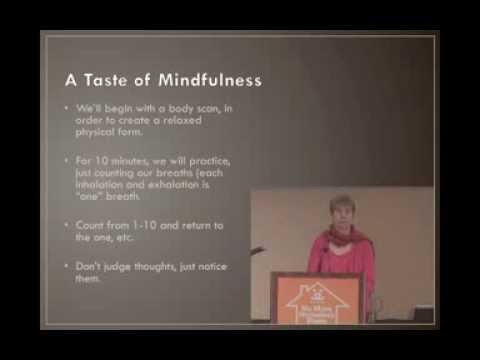
- Mindfulness Practices: Techniques like meditation or yoga can be fantastic for grounding yourself in the present moment and reducing stress.
And look, it’s not just about dealing with stress; it’s about creating a sustainable practice so you’re not burning out. Remember that emotional work takes its toll!
Anecdotally speaking, I once spoke with a fellow mental health professional who shared how she started taking lunch outside instead of huddled up at her desk every day. This simple shift allowed her to enjoy nature and recharge even just for a little while—a small change that made a big difference!
In short, understanding compassion fatigue is crucial if you want to keep helping others without losing yourself along the way. Recognizing the signs early on and taking proactive steps toward self-care will not only benefit you but also enhance the support you give to those in need.
So remember—healers need healing too! Taking care of yourself isn’t selfish; it’s necessary for sustainable empathy and care in this line of work.
Essential Strategies to Prevent Compassion Fatigue in Counseling
Counselors are like emotional sponges, soaking up the struggles and pain of those they help. But sometimes, all that absorbing can lead to something called **compassion fatigue**. This isn’t just about feeling tired; it’s that deep, heavy exhaustion that comes from caring too much over time. So, how can counselors protect themselves and keep their passion alive? Let’s break down some essential strategies.
Recognize Your Limits: It’s super crucial to know when you’ve hit your limit. You’re human, not a robot! When you start feeling drained or overwhelmed after sessions, pay attention. Being aware of your own emotional state helps in preventing burnout before it gets too severe.
Practice Self-Care: It might sound cliché, but self-care is vital. This isn’t just bubble baths and ice cream nights (although those are nice too). It’s about creating a routine that nurtures you—exercise, hobbies, or spending time with friends can make a significant difference. Seriously, make sure to carve out time just for yourself.
Set Boundaries: Protecting your time and energy means saying “no” sometimes. You don’t need to be available 24/7 for your clients or colleagues. Setting clear boundaries around work hours can help maintain your mental health and keep you fresh for when you are working.
Find Support: Talking with fellow counselors or joining a support group can be hugely beneficial. You’re not alone in this! Sharing experiences with others who understand the weight of the job helps lighten that load a bit. Plus, you may pick up helpful strategies from peers.
Engage in Supervision: Regular supervision isn’t just for new counselors; it’s important at any stage of your career! Getting feedback on your work can provide new perspectives and help process challenging cases together with someone experienced.
Pursue Professional Development: Learning new approaches or techniques through workshops or courses can reignite your passion for the field. Sometimes all it takes is fresh knowledge to remind you why you chose this path in the first place.
Counseling is an incredible but tough job. And feeling compassion fatigue doesn’t mean you’re weak; it’s simply part of being human in such an emotionally charged role. By using these strategies regularly, you’ll not only take care of yourself but also continue to offer the best support possible to those who rely on you.
10 Effective Compassion Fatigue Exercises to Restore Your Mental Well-Being
Compassion fatigue is a real thing, especially for those working in caregiving fields like therapy. You know the feeling—you’re always pouring out energy and empathy for others, but then it starts to wear you down. It can leave you feeling drained, detached, and kind of disheartened. Here are some exercises that can help restore your mental well-being when you start feeling those heavy vibes.
1. Set Boundaries. It’s super important to know your limits. If you find yourself constantly overwhelmed by others’ emotions, practice saying “no” when needed. You don’t have to take on every single person’s burden.
2. Mindfulness Meditation. Just sitting quietly and focusing on your breath can do wonders. Close your eyes and try to clear your mind, even if it’s just for five minutes a day. Seriously, it helps ground you.
3. Journaling. Writing down your feelings can be cathartic. It’s like having a conversation with yourself without judgment—a space where you can explore what you’re experiencing without any pressure.
4. Connect with Nature. Spending time outdoors does amazing things for the soul. Nature has this calming effect; imagine just taking a walk in the park or sitting under a tree while soaking in some sunshine.
5. Engage in Creative Activities. Whether it’s painting, knitting, or playing music, creativity lets you express what you’re feeling inside without words—kind of freeing, right?
6. Exercise Regularly. Moving your body boosts those feel-good chemicals, endorphins! Even just a quick jog or dance party in your living room can make a huge difference in clearing away that mental fog.
7. Schedule “Me Time”. Carve out some time just for yourself—whatever makes you happy! Reading that book you’ve been meaning to get to or binge-watching your favorite show? Yes, please!
8. Seek Support from Peers. Talking with colleagues or others who understand what you’re going through makes it easier to share experiences and feelings that often feel isolating.
9. Practice Gratitude. Take a moment each day to jot down things you’re thankful for—even little stuff counts! It shifts focus from stressors onto positive aspects of life.
10. Professional Help. Sometimes we need more than self-care strategies; there’s no shame in reaching out to another therapist if you’re feeling overwhelmed—it’s such an essential step towards healing.
Implementing even just one or two of these into your routine can help replenish that emotional reservoir you’ve been pouring from all day long. Remember: taking care of yourself isn’t selfish; it’s necessary for being able to care for others effectively!
You know, being a therapist is kind of like being a lighthouse keeper. You shine your light for others, hoping to guide them through their storms. But what happens when that light starts to flicker? When you’re so busy holding everyone else up that you forget to take care of yourself? That’s where compassion fatigue comes in. It’s real and can hit hard.
I remember talking to a buddy who’s a therapist. He shared this moment after a tough week where he’d been listening to clients share their deepest struggles. You could just see the weariness in his eyes. He mentioned feeling drained, like he was pouring from an empty cup, and it broke my heart a little. I mean, we often think of healers as these unshakable pillars of strength, right? But they’re human too.
Compassion fatigue creeps in when you invest so much emotional energy into others that it leaves you feeling empty or even resentful at times. It’s not about lacking empathy; it’s about the weight of carrying everyone else’s pain on your shoulders day after day. Imagine constantly tending to fires but never allowing yourself a moment to step back and breathe—you’d feel burnt out pretty quickly!
It’s also tricky because those who help others often feel they should be able to handle it all without breaking down themselves. The guilt that comes with needing care is tough —it’s like saying you’re not strong enough or that you don’t care enough about your clients’ well-being.
So how do therapists take care of themselves? Well, some find solace in peer support groups where they can vent and share strategies for coping with the emotional load. Others might engage in mindfulness practices or hobbies that rejuvenate them outside work—think painting, hiking, or just binge-watching their favorite show without any guilt! Seriously though, self-care isn’t selfish; it’s crucial.
What’s really important is creating an environment where therapists feel safe admitting they need help sometimes and know it doesn’t make them any less capable or compassionate. Opening up about compassion fatigue can break the stigma and foster connection within the mental health community—a reminder that even healers need healing.
At the end of the day, if they don’t take care of themselves first, how can they provide the best support for their clients? So let’s give our therapists some love too—they’re out here working hard to hold us together!