You know that feeling when you just can’t take it anymore? Like you’re carrying everyone else’s stuff on your back? Yeah, that’s real.
Compassion fatigue and vicarious trauma are no joke, especially for those in the helping professions. It kinda sneaks up on you, doesn’t it? One moment, you’re all in—full of empathy and energy, ready to support. Then suddenly? You’re running on empty.
I remember a friend who worked as a therapist. She used to light up when talking about her clients’ breakthroughs. But after a while, she started feeling worn out by their struggles. It was tough to watch someone so passionate feel so drained.
So, what gives? Why do we end up feeling like we’re stuck in a never-ending loop of heaviness? Let’s unpack this together—because understanding compassion fatigue and vicarious trauma is super important for anyone in the field or even just trying to be there for someone else.
Effective Strategies for Therapists to Manage Vicarious Trauma and Enhance Emotional Resilience
It’s tough being a therapist sometimes. You’re there to help others, but you can end up carrying their emotional baggage. That’s where vicarious trauma comes into play. It’s like picking up emotional scuffs from your clients without even realizing it. And that can really wear you down, you know? So let’s dig into some **effective strategies** to manage this and boost your emotional resilience.
First off, self-awareness is key. A therapist has to constantly check in with themselves. How are you feeling after a heavy session? Do you notice any shifts in your mood or energy? Pay attention to those little signs because they could be telling you that you need a break or some support.
Another important strategy is **setting boundaries**. It’s super easy to get wrapped up in your clients’ stories, but remember, you’re not their savior. It’s okay to say no sometimes or limit the emotional space they take up in your life outside of sessions. Think of it like a protective shield.
Also, regular supervision or peer support can do wonders. Sharing experiences allows for reflection and fresh perspectives on heavy cases. Sometimes just hearing someone else say “I get it” can lighten the load.
And then there’s the good old practice of **self-care**! Seriously, whatever makes you feel refreshed and alive—do that! Whether it’s meditation, exercise, or simply binge-watching that show you love—it all counts. Taking time for yourself helps recharge those batteries, so you’re not running on empty during sessions.
Don’t forget about creating a healthy work environment too! Surround yourself with positivity—whether it’s uplifting quotes on the walls or plants (those little green guys are known for boosting moods!). Create a space where team members feel safe sharing their own struggles as well.
Lastly, try incorporating mindfulness techniques into your routine. These practices can enhance your emotional resilience over time by helping ground you in the present moment instead of getting lost in others’ pain.
To put it all together:
- Self-awareness: Regularly check your emotional state after sessions.
- Boundary setting: Limit how deeply clients’ issues impact your personal life.
- Peer support: Share experiences with colleagues for validation and insight.
- Self-care: Engage in activities that recharge your spirit.
- Positive workspace: Create an uplifting environment at work.
- Mindfulness: Use mindfulness techniques to stay present and balanced.
Navigating vicarious trauma isn’t easy—it takes effort and awareness—but making these strategies part of your routine can seriously make a difference over time. You deserve the same care that you give to others!
Understanding Compassion Fatigue: How Therapists Manage Emotional Exhaustion
Compassion fatigue is like that feeling when you binge-watch your favorite show, and you can’t handle any more emotional drama. You’re just done, you know? For therapists, this kind of emotional exhaustion can sneak up on them after hearing stories of pain and hardship day after day.
What’s really tricky is that while they’re there to help others, they often forget to take care of themselves. It’s not uncommon for therapists to feel overwhelmed by the weight of their clients’ experiences. It’s called vicarious trauma, and it’s just as serious as what the clients are going through.
So, how do therapists manage this heavy load? Well, it usually boils down to a few key strategies:
- Self-Care Rituals: Many therapists set aside time for activities that recharge their batteries. That could mean yoga, hiking, or just diving into a good book. Finding what rejuvenates them is crucial.
- Supervision and Peer Support: Talking with colleagues helps too! Sharing experiences in a group or one-on-one can lighten the emotional burden. Being able to vent or share coping strategies makes a real difference.
- Setting Boundaries: Knowing when to say “no” is vital. Therapists need to recognize their limits and not take on more than they can handle emotionally.
- Mindfulness Practices: Techniques like meditation or deep-breathing exercises help bring them back into the present moment. It’s a way to clear the mental clutter from those heavy sessions.
Picture a therapist at the end of a long day with clients sharing heartbreaking stories about loss or trauma. They might feel drained, almost like they’ve been on an emotional rollercoaster without getting off! But finding time for some laughs with friends or indulging in a hobby can work wonders.
It’s not just about coping; it’s also about recognizing when things are getting out of hand. If they start feeling irritable or detached from their work—those are red flags! Paying attention to these signs helps them take action before it gets worse.
Compassion fatigue doesn’t have to be the end of the road for therapists; it can be an opportunity for growth too. Through understanding their triggers and practicing self-compassion, they equip themselves better not only for their own well-being but also for their clients’. Feeling burnt out isn’t just part of the job; it should remind everyone that taking care of yourself allows you to show up fully for others.
In summary, while compassion fatigue is real and challenging for therapists, there are practical ways they can navigate through it without losing themselves in the process!
Understanding the Connection: How Compassion Fatigue Can Trigger Vicarious Trauma
Compassion fatigue and vicarious trauma can be tough topics, but they’re super important to understand, especially for people who work in caring professions like therapy. Basically, compassion fatigue is that overwhelming feeling you get when you give so much of your emotional energy to others that you start to feel drained or even numb. It’s like when you’re trying to fill up a cup with water but the cup has a hole in it – no matter how much you pour in, it’s not really satisfying.
On the flip side, vicarious trauma is what happens when you’re repeatedly exposed to someone else’s traumatic experiences. Think about a therapist hearing stories of people’s pain day in and day out. It’s heavy stuff! Imagine hearing about someone else’s loss or abuse over and over; it can shape your worldview and how you feel about safety and trust. Your heart may start feeling just as heavy as theirs.
So here’s where it gets interesting: compassion fatigue can actually lead to vicarious trauma. When you’re emotionally spent from caring so much for others, your defenses are down. You might not protect yourself as well from those strong stories of suffering that come your way. It’s like trying to run a marathon on an empty tank – eventually, you will crash.
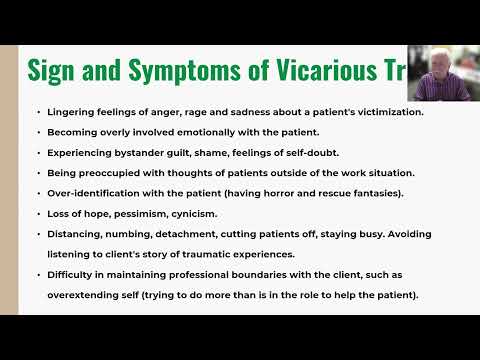
- Signs of Compassion Fatigue: You might find yourself feeling irritable or having difficulty focusing on tasks that used to be easy. If you’re zoning out during conversations or feeling detached from your clients’ struggles, those could be big red flags.
- Signs of Vicarious Trauma: You might notice changes in how you view the world or relationships – maybe everything feels dangerous now, or trust seems harder to come by. You may also experience physical symptoms like headaches or exhaustion.
- Common Triggers: High-stress environments and frequent exposure to traumatic stories can speed up the onset of both conditions. For someone working with survivors of abuse or war veterans, these triggers are more prevalent.
Here’s a little story: A friend of mine who works as a therapist had this intense case where her client was sharing traumatic events weekly. At first, she could listen and feel compassion deeply- which is great! But after months without self-care, she started feeling hyper-vigilant everywhere she went; even mundane things felt threatening because her brain was wired to react that way from all the heavy stories she absorbed.
To tackle these feelings before they spiral downwards into vicarious trauma territory, therapists often need strategies for self-care within their practice. This involves taking breaks between sessions and ensuring they have support systems outside work – whether through peer supervision groups or good old-fashioned therapy themselves!
Ultimately, recognizing the connection between compassion fatigue and vicarious trauma is essential for anyone in caregiving roles. It’s all about balance here – finding ways to care for others without losing sight of your own well-being along the way.
You know, being a therapist is super rewarding, but it can also be really tough sometimes. So many people come in with their struggles, bare their souls, which is pretty beautiful in a way. But then there’s this thing called compassion fatigue and vicarious trauma that can catch you off guard. It’s like, one minute you’re in the zone, feeling all the good vibes while helping someone through their pain, and the next minute—bam! You find yourself weighed down by the emotional baggage.
I remember one time when I was working with a client who had been through some serious stuff—abuse, loss, all of it. You could just feel the heaviness in the room. I was so focused on supporting them that I didn’t realize how much it was affecting me until weeks later. Suddenly, I found myself feeling anxious and drained even thinking about my work. It hit me like a ton of bricks when I realized this wasn’t just about my client anymore; I was carrying some of that energy with me.
The tricky part about compassion fatigue is that it sneaks up on you. It’s not like you wake up one day and think, “Hey, I’m totally burnt out!” Instead, it’s more insidious—like little pieces of your spirit just kind of chip away over time. You might start feeling disillusioned or detached from your clients or even from your own life outside of therapy.
And vicarious trauma? That’s another beast entirely. It’s when you absorb some of the trauma from others’ stories—almost like those heavy emotions seep into your own psyche without asking for permission first! Imagine hearing about someone’s heartbreaking experience over and over again; eventually, it can twist your perspective on humanity if you’re not careful.
So how do we deal with this? Well, self-care isn’t just some trendy buzzword; it’s essential! Whether it’s taking breaks between sessions to breathe or just talking things out with colleagues who get it—it helps to vent sometimes. Plus, establishing boundaries is key too! You want to support others without losing yourself in the process.
Honestly though? It’s okay to admit you’re struggling too. We’re all human here; therapists aren’t immune to pain or fatigue nor should we pretend we are perfect beings floating above it all. Recognizing your limits is part of the journey toward being a better therapist for others.
You see? Navigating compassion fatigue and vicarious trauma isn’t easy—but understanding these feelings and taking steps to address them makes us stronger both personally and professionally. It’s a balancing act for sure; but hey—if we’re aware and proactive about our own mental health? That’s half the battle won right there!