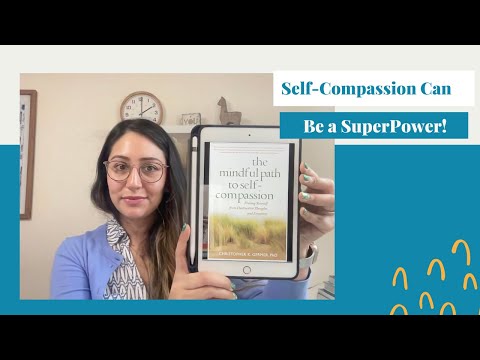
You know, life can really throw some curveballs at us. One minute you’re feeling on top of the world, and the next, you’re knee-deep in stress or sadness. It’s tough out there.
But here’s a thought: what if we focused more on compassion? Not just for others, but for ourselves too? Seriously, it can make a huge difference.
Imagine treating yourself with the same kindness you’d show a friend in need. Pretty powerful stuff, right?
Nurturing that compassion can be like finding a secret weapon for better mental health. It’s not about ignoring your struggles; it’s about embracing them with love.
Stick around and let’s chat about how this little shift in perspective could change everything for you!
Unlocking Mental Wellness: The Transformative Power of Compassion in Mental Health
Compassion is a big deal when it comes to mental health. Seriously, it can change everything. When you think about how we often treat ourselves and others, it’s clear that adding a little kindness can make a world of difference. You know how a friend’s comforting words can lift you up? Well, that’s the essence of compassion.
What is Compassion?
Basically, compassion is about feeling for someone in their tough times and wanting to help them feel better. It’s not just sympathy; it’s more like stepping into their shoes and understanding what they’re going through.
The Role of Self-Compassion
Self-compassion is super important too. If you mess up or face failure, instead of beating yourself up, try being gentle with yourself. Think of it like this: When you fall short, would you harshly judge your best friend for the same thing? Probably not! That’s the vibe you want towards yourself.
- Improved Resilience: Compassion helps build resilience. When you’re kind to yourself, you’re more likely to bounce back from tough situations.
- Reduced Anxiety: Studies show that practicing self-compassion can lower anxiety levels. You’re basically telling your mind that it’s okay to feel what you’re feeling.
- Better Relationships: When you’re compassionate towards yourself, this attitude spills over into how you treat others. It fosters deeper connections.
You might be wondering how this plays out in real life. Let’s take Sarah as an example. She struggles with anxiety and often feels overwhelmed by her thoughts. Instead of spiraling downwards when she has a panic attack, she started practicing self-compassion by reminding herself that many people go through similar hardships and that it’s perfectly okay to seek help.
A Little Kindness Goes a Long Way
Extending compassion not only impacts your own life but also those around you. Let’s think about empathy in action: Imagine someone at work made a mistake during a meeting; instead of criticizing them harshly, if you step in with understanding—like saying “Hey, don’t be too hard on yourself; everyone makes mistakes” —it could really lighten their load and encourage them to keep trying.
The Transformative Nature of Compassion
The best part? Practicing compassion is like exercising a muscle—the more you do it, the stronger it gets! Whether it’s through therapy or simple daily reminders to be kind (oh yeah, posting notes on your mirror can help!), there are endless ways to cultivate this mindset.
Incorporating compassion into your mental health routine can totally transform your experience and outlook on life! It creates an inner calm that helps combat negative thoughts and feelings. Keep in mind, though—like any habit worth developing, it takes time and practice.
Remember: being kind isn’t just soft; it’s powerful! You hold the key to unlocking mental wellness through compassion—for yourself and others around you too!
Understanding the Kristen Neff Theory: A Deep Dive into Self-Compassion and Mental Well-Being
So, let’s talk about something that can really change the way you feel about yourself: **self-compassion**. Kristen Neff is one of the big names in this field, and her theory breaks it down into three main parts. You might be wondering why self-compassion matters—well, it’s pretty simple. When you’re kinder to yourself, it can improve your mental well-being.
Self-Kindness is the first piece of Neff’s model. It’s about treating yourself like you would treat a friend who’s going through a tough time. Like, if you mess up at work or someone rejects your idea, instead of beating yourself up, try saying something supportive like, “It’s okay! We all mess up sometimes.” Remember that moment when you felt totally crushed after not getting the job you wanted? Maybe if you had been more gentle with yourself then, it wouldn’t have stung so much.
Common Humanity is another part of this whole self-compassion thing. It’s realizing that everyone goes through hard stuff; you’re not alone in your struggles. Like, think about how many people deal with anxiety or heartbreak or job loss—seriously, it’s a universal thing! When Neff talks about common humanity, she’s saying that feeling connected to others can help ease your own pain. You feel less isolated when you remember that we’re all in this together.
Now onto Mindfulness. This means being aware of your thoughts and feelings without judging them too harshly. So when things get tough (and they will), don’t just shove those feelings down or pretend they don’t exist. Acknowledge them instead and let them wash over you like waves—you know? Instead of drowning in negativity, just notice what you’re feeling without letting it define who you are.
You might wonder how to start practicing self-compassion daily. Here are some ideas:
- Whenever things go wrong for you, pause and ask yourself what you’d tell a friend in the same situation.
- Write down some positive affirmations to remind yourself that everyone makes mistakes.
- Spend a minute each day just breathing and observing your feelings without judgment.
So yeah, self-compassion isn’t just warm fuzzies—it’s linked to better mental health outcomes! Research shows that people who practice self-compassion tend to feel less anxious and more resilient. Imagine being able to bounce back after setbacks with a little more ease because you’ve learned to be kind to yourself!
In wrapping this up (not literally!), Neff’s theory emphasizes being gentle with ourselves during tough times instead of harshly judging our shortcomings. Self-kindness reminds us we’re human; common humanity connects us with others; mindfulness helps keep us grounded in the present moment rather than spiraling into negative thinking.
It’s not always easy—sometimes it’s actually pretty hard—but giving yourself grace can lead to emotional freedom and growth over time. And who doesn’t want a bit more joy in their life?
Nurturing Compassion: A Pathway to Enhanced Mental Health and Well-Being
Understanding compassion can seriously change the way we approach our mental health. It’s like discovering a hidden tool that’s been there all along, just waiting for you to pick it up. Compassion is not just about being nice; it’s a deep sense of empathy and understanding for ourselves and others. When we nurture compassion, it creates a ripple effect that can boost our well-being.
So, what does it mean to nurture compassion? Basically, it’s about actively cultivating kindness and understanding, both towards ourselves and others. You know those little moments where you catch yourself feeling bad for someone struggling? That’s the start of compassion! But here are some ways you can really make it grow:
- Practice Self-Compassion: Be your own best friend. Instead of beating yourself up over mistakes, treat yourself with kindness. It’s like looking in the mirror and seeing a friend who needs support.
- Mindfulness: Take time to be present. Engaging in mindfulness practices helps us recognize our feelings without judgment. When you notice your own pain or struggles, remember that everyone goes through tough times!
- Volunteer or Help Others: Helping someone else can boost your mood too! Volunteering connects you with others and shows how shared experiences can foster community.
- Active Listening: When talking to someone who’s hurting, really listen without planning your response in advance. This validates their feelings and promotes deeper connections.
Just think back to when your friend was going through a rough patch—maybe they were dealing with anxiety or sadness. The way you listened made them feel understood, right? That’s the power of compassion at work!
Another thing… nurturing compassion isn’t just good for others; it has major benefits for your own mental health too! Research has shown that practicing compassion can lead to lower levels of stress, reduced feelings of loneliness, and greater overall happiness. It’s like when you help someone move; sure, it’s tiring work, but afterward you’re feeling pretty good about yourself because you did something nice.
In tough times—like when life hits hard—you might find comfort in being compassionate toward yourself first. Let’s say you’ve had a rough day at work or faced rejection from something important to you—acknowledge those feelings! Give yourself permission to feel upset instead of pushing it aside.
The thing is, nurturing compassion isn’t something that happens overnight; it’s more like planting seeds and watering them regularly until they bloom into beautiful flowers over time.
Overall, embracing this pathway isn’t just about becoming better people; it’s about enhancing our own mental well-being while creating a kinder world around us! Really makes you think twice about how simple acts can have profound effects on both ourselves and those around us, huh?
You know, there’s something really powerful about compassion. I mean, it’s like this warm hug for your soul. When you show kindness to others, you not only uplift them but also create this ripple effect that bounces back to you. Seriously, it’s almost magical how that works.
I remember a time when I was feeling pretty low. Everything felt heavy, and I was just trudging through the days. One day, though, I decided to volunteer at a local shelter. At first, it felt like an obligation—like something I *should* do. But once I got there and started talking with people who had such different struggles than mine, something shifted inside me. Listening to their stories and just being present for them sparked this warmth in my heart. It was like the clouds over my mind began to part a little bit.
Compassion isn’t just about being nice or helping out; it’s about connecting with someone else’s experience on a human level. When you can feel for someone else, even if you haven’t walked in their shoes, you start to realize that you’re not alone in your emotions—everybody has tough days and battles they’re fighting behind closed doors.
And here’s the kicker: nurturing compassion isn’t all about focusing outward. It also means turning that kindness inward. How often do we beat ourselves up over mistakes or shortcomings? Like when I tripped over my words in front of friends last week and spent way too long cringing about it later. If only we could treat ourselves with the same gentleness we easily extend to others! You really can create a softer space within yourself by practicing self-compassion.
So maybe it’s not rocket science; it’s about those small moments of kindness that can shift perspectives—for both yourself and others around you. You start recognizing shared humanity and realizing that everyone is doing their best with what they’ve got. That sense of connectedness? It can lift the weight off your shoulders and offer hope when things get tough.
Imagine what would happen if we all made an effort every day—like a simple smile or asking someone how they’re really doing? Just those little acts could lead to brighter skies in our own hearts while brightening up someone else’s day too! Compassion could be one of those paths toward better mental health—a way to heal ourselves while spreading good vibes along the way.