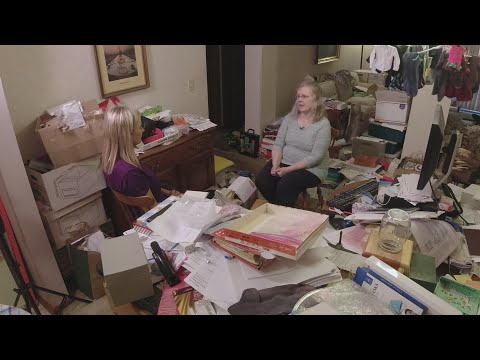
You know that feeling when you just can’t resist buying one more pair of sneakers? Or when your closet is bursting at the seams with stuff you might wear someday? Yeah, it’s kind of a thing.
Compulsive shopping hoarding isn’t just about the things we buy. There’s a lot bubbling under the surface. Like, what drives us to fill our spaces with all this stuff? It’s wild to think about.
Imagine a friend who’s always chasing that rush from a new purchase but ends up drowning in clutter. It gets heavy, right? Seriously, it can affect relationships and how we see ourselves.
In this chat, let’s dig into what makes compulsive shopping tick. I promise it’ll be eye-opening!
Understanding Hoarding: The Typical Age of Onset and Its Psychological Roots
Hoarding is a pretty complex issue, and it’s often tied to various psychological factors that can really get in the way of living a healthy life. First off, let’s talk about when hoarding usually starts. Most people who struggle with this condition show signs in their teen years or early adulthood, but the behaviors can actually ramp up later on. So yeah, it’s not always easy to pin down exactly when it kicks in.
What happens is that many folks who hoard have some background of anxiety or even depression. Think about it: holding onto things can feel comforting when life gets overwhelming. Imagine someone who faced loss or trauma; they might start collecting items to fill that emotional void. It seems like controlling their environment gives them a sense of security, even if that leads to clutter.
Another thing to consider is attachment styles. People who find it hard to let go of possessions may have an anxious attachment from childhood. So, if their parents weren’t very nurturing or were inconsistent, they might cling tightly to objects as a way of coping—you know? Like those old toys they can’t seem to throw away because they represent something more than just plastic.
Also, there’s this idea about “emotional ownership.” When individuals feel that possessions define them or hold memories, getting rid of those things feels like losing a part of themselves. Take a moment and think about your own stuff—maybe you have something your grandma gave you; letting go feels impossible because it’s wrapped up in love and nostalgia.
Then there are cognitive issues at play! Many people with hoarding tendencies can struggle with decision-making and organization. They might see so much value in everything around them that sorting through items becomes overwhelming—a bit paralyzing really! The thought of making decisions about what to keep or toss becomes too much to handle.
Now let’s touch on some real-life examples. Picture a woman named Sara who grew up in her grandma’s house filled with antiques and trinkets collected over years. After her grandma passed away, she felt this intense need to keep everything because getting rid of anything felt like betraying her memory. This emotional bond made decluttering nearly impossible for her, leading Sara into full-blown hoarding as time went on.
So remember—it’s not just messy homes we’re talking about here; hoarding is often tied deeply to emotional experiences and psychological roots. It’s like a big tangled ball of emotions and behaviors needing care and understanding rather than judgment.
If you find yourself or someone you know struggling with these feelings around possessions, reaching out for support can be super important! Therapy could help unpack some of those emotions and shed light on why certain items feel so heavy emotionally. And trust me; you’re definitely not alone in navigating this complicated journey!
Understanding Excessive Shopping: Is It a Trauma Response?
Certainly! Here’s an exploration of excessive shopping and its connection to trauma responses.
Excessive shopping, often called compulsive shopping or oniomania, can feel like a rollercoaster ride. You know, that rush when you snag something amazing? But then there’s the sinking feeling that follows. It’s not just about wanting new things; there’s usually a deeper story behind it.
When we talk about trauma responses, we’re diving into some heavy stuff. Traumas can stem from all sorts of experiences—loss, neglect, abuse—even witnessing something distressing. Sometimes, people develop coping mechanisms to handle the emotional pain or emptiness they feel. Shopping might become one of those ways to escape or fill a void.
Think of it like this: if you’ve ever had a tough day and splurged on takeout or a cute outfit, you get it. It feels good in the moment! But for some folks, this behavior escalates into something more problematic. It can lead to buying items they don’t need or can’t afford—just to feel better temporarily.
Still, it’s not solely about trauma. Sometimes societal pressure plays in too. In today’s world, where social media showcases “perfect” lives filled with possessions, you might find yourself caught up in the consumerist culture without realizing it.
But here are a few key signs that what you’re seeing might be more than just typical shopping habits:
- Buying to cope: If you notice that your shopping spikes when you’re upset or stressed, that could signal deeper emotional needs.
- Financial issues: When purchases start affecting your bank account negatively or causing debt anxiety.
- Emotional highs and lows: Experiencing pleasure during the buy but shame after—those mixed feelings can be telling.
- Hoarding tendencies: If your home is overflowing with items still in their tags—stuff you’ve never used—that’s worth looking into.
Sometimes these behaviors manifest as hoarding—an extreme attachment to possessions as a way of clinging to comfort and security after traumatic events. This cyclical pattern can trap people in an endless loop of buying and discarding feelings.
It’s important to remember that understanding these behaviors, whether rooted in trauma or societal influences, is part of healing. Therapy can help unravel this complicated relationship with shopping. A therapist can guide you through understanding triggers and developing healthier ways to cope with emotions without relying solely on purchases.
So if excessive shopping feels familiar—or if someone close to you struggles with it—it might be worth checking out what lies beneath those shiny bags and boxes. There’s usually so much more happening under the surface than we realize!
Understanding the 5 Stages of Hoarding: A Comprehensive Guide to Recovery
Hoarding can feel like a heavy weight on your shoulders. It’s more than just clutter; it often ties back to deeper psychological roots, like anxiety or trauma. Understanding the stages of hoarding can help you or someone you care about navigate the path to recovery. So, let’s break down these five stages.
Stage 1: Emotional Attachment
You start collecting items because they hold sentimental value or evoke memories. A broken toy from childhood? You just can’t let it go! This attachment makes it hard to see the clutter as an issue. Every piece becomes a symbol of something meaningful in your life.
Stage 2: Accumulation
As time goes by, the collection grows—sometimes exponentially. What began as a few cherished items can spiral into a mountain of stuff. It might feel comforting at first, but soon enough, you find it overwhelming. Your living space shrinks under piles of things you haven’t touched in ages.
Stage 3: Denial
This is tough, honestly. You might convince yourself that everything has a purpose or that you’ll organize it «someday.» People around you might voice their concerns, but denial sets in strong. You might think, “I’m fine,” when deep down, part of you knows that things are spiraling out of control.
Stage 4: Isolation
As your space fills up with stuff, social interactions may dwindle. Inviting friends over becomes embarrassing when you’re not sure where they’d sit! The clutter makes you feel ashamed or anxious about being judged. So instead of tackling the mess together with loved ones, you close yourself off and retreat into your hoard.
Stage 5: Acceptance and Action
This stage is empowering yet challenging. You start recognizing that hoarding isn’t just personal quirks; it’s an issue needing attention. It’s okay to seek help! Whether it’s therapy or support groups like Hoarders Anonymous—taking this step brings hope for recovery and healthier habits.
Recovery isn’t linear; it often feels like two steps forward and one step back. But each stage reflects progress—even if things still seem chaotic at times. Seeking engagement with mental health professionals can guide this journey towards reclaiming your space and peace of mind.
In the end, understanding these stages helps demystify hoarding behavior and emphasizes that change is possible with support and dedication!
Compulsive shopping and hoarding can feel like a real rollercoaster ride, right? I mean, one minute you’re just picking up a cute pair of shoes or a trendy gadget, and the next, you’re knee-deep in piles of stuff. Like that time when my friend Jess inherited her grandmother’s collections. She was thrilled at first but soon felt overwhelmed by all the trinkets, clothes, and random knick-knacks. It’s like a treasure hunt gone wrong.
You see, there’s often more going on beneath the surface. Compulsive shopping can stem from unmet emotional needs—like seeking comfort or validation. It’s like trying to fill an empty space inside you with material things. And for many people, those shiny new purchases provide a temporary high—a little thrill that fades too quickly. You know what I mean? It’s kind of like eating ice cream when you’re down; it feels good for a bit, but then reality kicks back in.
Hoarding takes this to another level. It’s not just about having too much stuff—it’s about the emotional attachment to those items. The thought of letting go can trigger anxiety or lead to feelings of loss. Imagine feeling like you’re losing pieces of your identity every time you toss something away. It makes sense in a way! People hoard not just out of necessity but sometimes as a way to cope with loneliness or grief.
In therapy, some folks find it helpful to explore these feelings—like getting to the roots of why they shop compulsively or hold onto things so tightly. It’s tough work though! But when you peel back those layers, it can be so liberating to understand what drives those behaviors.
So yeah, while we might see someone with bags full of new clothes or piles of old newspapers scattered about their home and think it’s just about being impulsive or messy—there’s often a deeper story at play that speaks volumes about human emotions and experiences. It’s really about finding healthier ways to cope and connect with what matters most—yourself and others around you!