So, let’s talk about ADHD for a sec. It can be, like, a real rollercoaster sometimes, right? You’re trying to focus, but your mind’s racing. Or you start one task and then—poof!—you’re off chasing another shiny distraction.
That’s where Concerta comes in. It’s kinda like that friend who helps you keep your eyes on the prize. But what’s the deal with it? How does it really work?
Stick around, and let’s break it down together!
Understanding ADHD Symptoms: How Concerta Can Help Manage Your Condition
ADHD, or Attention-Deficit/Hyperactivity Disorder, is a common condition that affects both kids and adults. You might feel like you’re bouncing off the walls or can’t focus on anything for more than a minute. It’s like your brain’s got a million tabs open at once!
So, what are the main symptoms of ADHD? Well, they usually fall into two categories—inattention and hyperactivity/impulsivity.
- Inattention: This means having trouble focusing on tasks, making careless mistakes, or forgetting things easily. You might start a project but get distracted halfway through.
- Hyperactivity: Think of this as feeling fidgety or restless. You may find yourself tapping your foot or feeling like you can’t sit still.
- Impulsivity: This often shows up as interrupting others, blurting out answers before questions are fully asked, or making hasty decisions without thinking.
Now, living with ADHD can be challenging. Imagine sitting in a meeting where everyone else seems to grasp the topic while your mind drifts off to lunch plans! It’s frustrating and exhausting.
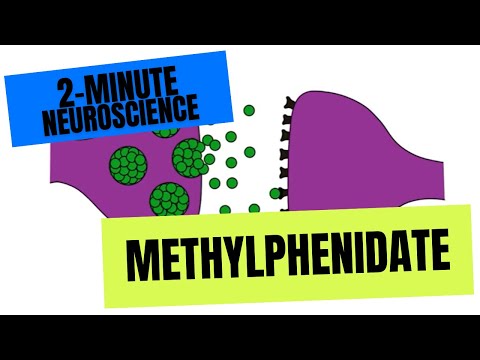
Hey, that’s where medication comes in. Concerta is one of those meds that helps manage ADHD symptoms for many folks. It contains methylphenidate and works by balancing certain chemicals in the brain that help with focus and impulse control.
When someone takes Concerta, they’re likely to experience improvements in attention span and reduced impulsivity over time. It’s designed to provide steady symptom control throughout the day—no more roller coaster rides of energy levels!
But it’s not all sunshine and roses—medication doesn’t work for everyone. Some people might experience side effects like insomnia or anxiety when starting out with Concerta. It’s super important to have an open conversation with your doctor about these things.
You’ve got options besides medication too! Therapy can really help in building coping strategies and learning skills to manage symptoms effectively—like time management techniques or mindfulness exercises.
The thing is, understanding ADHD symptoms is crucial for anyone who may be dealing with it personally or knows someone who does. If you feel overwhelmed by daily tasks or if your mind feels scattered all day long, reaching out for help could be a solid move.
In short: if you think you might have ADHD or someone close to you does, talking it through with a professional is key. They can guide you through what options could work best—whether it’s medication like Concerta or other forms of support. You don’t have to go through it alone!
Exploring the Safety of Combining Clonidine and Concerta for ADHD Treatment
Combining medications can be a bit of a tightrope walk, especially when you throw in things like Clonidine and Concerta for managing ADHD symptoms. Both of these meds can have their own benefits and drawbacks, and knowing how they interact is pretty crucial for safety.
First off, let’s break down what each medication does. Concerta is basically a long-acting version of methylphenidate, which helps increase focus and attention by boosting certain chemicals in your brain—think dopamine and norepinephrine. This can be a game changer for people struggling with ADHD.
On the flip side, you’ve got Clonidine. This one’s usually used to treat high blood pressure but also helps with ADHD, especially when it comes to reducing impulsivity and hyperactivity. It works by slowing down nerve impulses in the body, which can help calm things down.
So, what’s the deal with combining them? Well, combining these two could actually be beneficial for some people. For instance, if someone is using Concerta to enhance concentration during the day but struggles with sleep at night or has that classic hyperactive vibe that’s hard to control, Clonidine might help smooth out those edges.
However, it’s super important to tread carefully. There’s a chance that combining these two medications could amplify side effects. Some potential issues include:
So when considering this combo, it’s not just about taking two pills together—it requires solid oversight from a healthcare professional who knows your full medical history.
Here’s where things get real: imagine you’re juggling schoolwork or your job while trying to manage ADHD symptoms. You might feel overwhelmed at times. Let’s say you take Concerta in the morning to help focus; then by evening you’re restless and finding it tough to wind down for bed. If starting Clonidine helps you chill out at night after a frenetic day fueled by Concerta’s focus-enhancing effects? That could really improve quality of life!
Of course, everyone’s experience is unique. It’s vital not only to communicate openly with your doctor but also keep an eye out for any strange reactions after starting this combination. They’re ones that you’ll want to share immediately if they pop up.
In short, while combining Clonidine and Concerta isn’t unheard of—and can have advantages—you’ve got to do your homework first and make sure you’re supervised by a healthcare provider who gets what you’re going through!
Starting Concerta: What You Need to Know for a Smooth Transition
Starting on Concerta, huh? If you’re about to jump into this journey, it’s good to have a sense of what to expect. Concerta is one of those medications often prescribed for ADHD, and it can make a big difference in managing symptoms like inattention, impulsivity, and hyperactivity. But transitioning onto it isn’t just a flip of a switch. Here’s what you might want to know.
Understanding How Concerta Works
So, Concerta is a stimulant medication that mainly affects neurotransmitters like dopamine and norepinephrine in your brain. This can help improve focus and self-control. The thing is, everyone reacts differently; some folks feel a big boost almost immediately, while others might take time.
Initial Dosing
When you first start Concerta, your doctor will probably prescribe a low dose to see how your body reacts. This is super important because side effects can pop up when you first begin. A common starting point could be around 18 mg once daily. From there, the doc may adjust your dose based on how things are going.
Common Side Effects
You might experience some side effects when starting out. Some common ones include:
- Insomnia: It can be tricky to catch those Z’s at first.
- Loss of appetite: You may not feel as hungry as usual.
- Nervousness: Some people report feeling more anxious.
- Headaches: They can sneak up on you too.
Most side effects tend to fade as your body adjusts, but if anything feels way off or super uncomfortable, give your healthcare provider a call.
The Importance of Routine
When taking Concerta—or any ADHD medication for that matter—establishing a routine can really aid the transition. Try taking it at the same time each day. This helps keep the levels stable in your system and maximizes its effectiveness.
Your Support System
Having people around who understand what you’re going through is pretty helpful too! Talk with family or friends about your experiences with starting Concerta. Sharing feelings or concerns takes some weight off your shoulders—you won’t feel alone in this process.
Anecdote: A Friend’s Journey
I remember my friend Sarah started taking Concerta last year. She had struggled for ages with distraction at work and felt overwhelmed all the time. After she began on it, she noticed her focus improving within just a week! Sure, she had trouble sleeping initially and felt jittery sometimes; but with her doctor’s support—and sticking closely to routine—she found ways to manage those bumps along the road.
Monitoring Progress
It’s crucial—like seriously—to keep an eye on how things are going after starting on Concerta. Check in with yourself regularly about mood changes or any shifts in symptoms—good or bad! Don’t hesitate to reach out to your healthcare provider if you feel things aren’t right; they’re there to help.
In summary, starting Concerta involves understanding how it works and being aware of potential side effects while navigating changes in daily routines and support systems from family or friends make a big difference too! Remember: patience is key during this transition phase; give yourself time to adjust.
So, let’s talk about Concerta. It’s one of those medications that often comes up in conversations about ADHD. You know, ADHD, or Attention Deficit Hyperactivity Disorder, can really make life tricky for a lot of folks. Imagine trying to focus on something important but your mind just keeps wandering like a puppy chasing squirrels. That’s what it feels like for many people dealing with ADHD.
Now, Concerta is a stimulant medication that works by affecting certain chemicals in the brain. Basically, it gives a little nudge to your system so you can chill out and zero in on what matters. For some people, it’s like flipping a switch from chaos to clarity. One of my friends tried it after struggling through an entire semester of classes with barely passing grades. She said it felt like someone finally turned the volume down on all that distracting noise in her head.
But let me tell you; it’s not magic dust that works for everyone. Some folks experience side effects or don’t respond to it at all. It’s kind of like trying on shoes—you might find the perfect pair or end up with blisters if you’re not careful. And because it can affect people differently—with potential issues like sleep troubles or decreased appetite—it’s super important to have open conversations with your doctor about how you’re feeling.
There’s also this thing where people might just jump straight into taking meds without any other support—like talking therapy or lifestyle changes—and that can be a mistake too. Medication is often most effective when used alongside behavioral strategies and coping techniques.
So yeah, Concerta can play a significant role in managing ADHD symptoms for many people out there, helping them find their footing and thrive instead of just survive day-to-day chaos. But always keep in mind that finding what works best for you is kind of a journey—it takes time and plenty of patience!