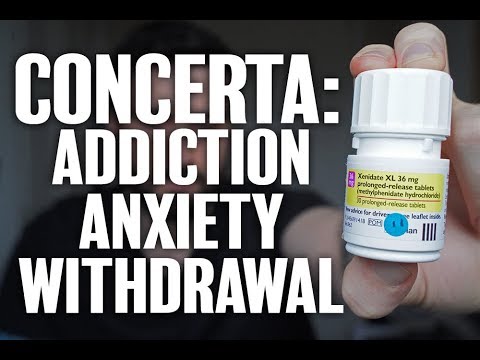
So, let’s chat about Concerta for a sec. You know, that medication some folks take for ADHD? But here’s the thing: it can also shake hands with anxiety.
It’s kind of a funny topic. Like, you’re trying to focus better, and then anxiety pops up like an unwelcome guest at a party. Seriously, it’s a mixed bag of effects, right?
Maybe you’ve heard some buzz about it or even tried it yourself. Either way, we’ll dig into how Concerta works and what it might mean for your anxious moments. Intrigued? Let’s jump in!
Exploring the Impact of ADHD Stimulants on Anxiety: What You Need to Know
Stimulants like Concerta are commonly prescribed for ADHD. They can really help improve focus and attention. But, there’s another side to the story when it comes to anxiety.
First off, ADHD and anxiety often go hand in hand. Seriously, it’s super common for someone with ADHD to also experience anxiety issues. This can make things tricky when considering treatment options, especially using stimulants. So, what’s the deal with Concerta specifically?
Concerta is a long-acting form of methylphenidate, which is a stimulant that helps boost the brain’s ability to focus and regulate impulses. But here’s where it gets a bit complicated: while some folks find that their anxiety improves when ADHD symptoms are treated, others might feel more anxious.
Here are some key points to keep in mind:
- Stimulants can increase anxiety symptoms: For some people, taking Concerta might ramp up feelings of anxiety or nervousness. That extra energy might not always feel like an advantage.
- Dosing matters: Sometimes, finding the right dose is crucial. Too much Concerta could lead to heightened anxiety levels. It might take some time to figure out what works best for you.
- Potential for jitteriness: Some users report feeling jittery or on edge after taking stimulants, which doesn’t do any favors for existing anxiety issues.
- Counterproductive effects: In rare cases, if someone has undiagnosed anxiety and just gets treated for ADHD with stimulants alone, they could be missing out on managing their anxiety effectively.
- Therapeutic balance: Finding a balance between managing ADHD symptoms and minimizing anxiety is key. Many people find that pairing medication with therapy helps address both sides of the issue together.
Let’s talk about something that really drives this point home—imagine Sarah. She was diagnosed with ADHD in her teen years and struggled with constant distractions at school. When her doctor prescribed Concerta, she was optimistic about finally getting through her classes without feeling all over the place.
But then came those days where she felt like she were on a rollercoaster of emotions. Some days were great; she paid attention like never before! But other days? Wow—anxiety hit her hard like an avalanche. Her heart raced; her mind couldn’t calm down.
After discussing this with her doctor, they found that adjusting her dose made a huge difference. It wasn’t just about popping a pill; it was about keeping an eye on how she felt overall—like mixing art and science together! Therapy also played a role in helping Sarah understand why these swings happened.
So if you or someone you know is considering Concerta or another stimulant while managing anxiety as well? Keep communication open with your healthcare provider! Monitoring how you feel can guide adjustments that make all the difference.
In short, while Concerta can help ease ADHD symptoms, it’s important to recognize how it may impact feelings of anxiety as well—keeping everything balanced may take time but it’s totally worth the effort for better mental health overall!
Exploring the Impact of ADHD Medications on Anxiety Levels: What You Need to Know
When we talk about ADHD medications, one name that often pops up is Concerta. You might have heard of it, especially if you or someone close to you deals with ADHD. So, how does Concerta affect anxiety levels? That’s a pretty big question, and the answer isn’t super straightforward.
To start off, Concerta is a stimulant medication. It works by increasing certain chemicals in the brain that help you focus and pay attention. But what happens when you toss anxiety into the mix? Well, it can get tricky.
Many people with ADHD also deal with anxiety, and sometimes the two can fuel each other. For instance, let’s say you’re in a meeting trying to concentrate but feeling anxious about everyone watching you. That’s where Concerta might help by improving focus. A study found that for some people, taking Concerta can actually lead to a decrease in their feelings of anxiety because they feel more in control.
However, this isn’t the case for everyone. Some folks report their anxiety getting worse after starting Concerta. It’s not uncommon for stimulants to make anxiety symptoms pop even more. So if your heart starts racing or you’re feeling jittery after taking it, you’re definitely not alone.
Here are a few key points to think about:
- Individual Differences: Everyone reacts differently to medication. What helps one person might not work for another.
- Dosage Matters: Sometimes it’s all about finding the right dose; too much can ramp up anxiety.
- Underlying Conditions: If there’s pre-existing anxiety disorders alongside ADHD, it might complicate things.
- Monitor Closely: Keeping an eye on how you feel after starting any new medication is vital so adjustments can be made as needed.
Let’s say there’s someone named Jake who started taking Concerta for his ADHD. At first, he felt great! He could focus during his classes without getting distracted every five seconds. But then came the racing thoughts and increased heart rate when he had to present projects—like he was living on coffee alone! His doctor helped him adjust the dosage and suggested some strategies to manage his anxiety better alongside the med.
It’s crucial that this process happens under a doctor’s guidance because they know your health history and can find what works best for you personally.
Finally—a little heads-up: if you’re considering Concerta or are already taking it and feeling anxious or overwhelmed, have an open chat with your healthcare provider. They can guide you toward finding balance and comfort while managing both ADHD and anxiety effectively.
In short, while Concerta has its perks in terms of managing symptoms of ADHD and at times reducing some related anxieties, it can also spike those anxious feelings in others. There’s no one-size-fits-all here! The road may be a little bumpy at times but staying informed makes all the difference.
Understanding Medications for Managing Situational Anxiety: Options and Insights
When it comes to **managing situational anxiety**, medications can play a significant role. But, let’s be clear: they’re not the whole story. Anxiety is tricky, and what works for one person might not work for another. So, let’s unravel this a bit, focusing on some options you may encounter.
**First off, what is situational anxiety?** Well, it’s that feeling you get before a big presentation or when you’re about to meet new people at a party. It often arises in specific situations and can manifest with symptoms like sweating, racing thoughts, or even an upset stomach. It’s really common!
Now, regarding medications like **Concerta**: it’s mainly known as a treatment for ADHD but has popped up in discussions about anxiety too. Some folks find that it helps with their focus and reduces anxious feelings connected to performance situations. But here’s the thing: it’s not specifically approved for anxiety treatment. So, its use for this purpose might feel a bit like playing with fire.
Here are some key points about medications for situational anxiety:
- SSRIs (Selective Serotonin Reuptake Inhibitors): These are often the go-to class of meds for anxiety disorders overall. They help increase serotonin levels in the brain, which can improve mood and reduce anxiety over time.
- Benzodiazepines: These are fast-acting anti-anxiety meds that can provide immediate relief during high-anxiety moments. They’re effective but should be used sparingly due to risks of dependence.
- Beta-blockers: Used more commonly for heart issues, some people find them helpful in managing physical symptoms of anxiety—like racing hearts—especially in social situations.
- Cognitive Behavioral Therapy (CBT): Not a medication but super important! It teaches coping skills and strategies to manage anxious thoughts and feelings effectively.
So how does one navigate this maze? Well, it often starts with chatting with a healthcare provider who gets your personal history and symptoms. They’ll guide you through options based on what fits your situation best.
You know that feeling when you see someone confidently walking into an interview? That could be you! But remember: every medication comes with potential side effects or interactions with other drugs. For instance, Concerta might make some people feel jittery instead of calm.
Here’s something real: imagine Sarah—she was terrified before speaking at her cousin’s wedding. Her doctor prescribed an SSRI after they talked through her experiences together. Over time (like several weeks), she noticed her nerves weren’t as overwhelming. So while meds were part of Sarah’s journey, therapy helped her learn how to approach public speaking without losing her mind!
To wrap things up—not all treatments are equal! It’s about finding what clicks for you personally while keeping your doctor involved every step of the way since everyone’s situation is unique.
Remember: it’s okay to seek help, whether through medication or therapy—or both! Mental health is so important; don’t hesitate to take steps toward feeling better today!
So, Concerta, huh? It’s one of those medications that you might hear about often if you’re diving into the world of ADHD treatment. It’s got this active ingredient called methylphenidate, which is a stimulant. A lot of folks take it to help focus and manage their ADHD symptoms. But here’s the catch: while it works wonders for some, it can stir up a bit of anxiety for others.
I had a friend who started taking Concerta. At first, he was like a new person—zinging through tasks, feeling less distracted at work. But then, after a little while, he called me up panicking about some mundane stuff: “I can’t shake this feeling! Why can’t I just relax?” It was kind of heartbreaking to hear him struggle like that.
See, stimulants like Concerta increase dopamine levels—yeah, that feel-good chemical in your brain—which can definitely help with attention issues but also might ramp up anxiety in some people. If you’ve got anxiety tendencies already, adding in something that speeds up your system could send those jitters into overdrive.
But here’s where it gets interesting: not everyone experiences anxiety with Concerta. For some people with both ADHD and anxiety disorders, this medication can actually help reduce anxious feelings by providing structure and focus. It’s like having a chaotic mind tamed just enough so they don’t spiral into worry.
Still though, it’s super important to monitor how you feel when you’re on it—or if you’re considering giving it a shot. Everyone reacts differently; there isn’t a one-size-fits-all answer here. And if you’re feeling more anxious than usual? That’s definitely something to chat about with your doctor or therapist—they’ve got your back and could suggest dosage adjustments or even alternative treatments.
So in the end, Concerta’s effects on anxiety really shows this delicate balance we all have when it comes to mental health meds; sometimes they help more than hinder but knowing how each individual responds is key to finding what works best for them.