You know how some days just feel like a fog? Like you’re trying to run a marathon through molasses? Yeah, that’s a vibe many folks get, especially when dealing with ADHD.
That’s where Concerta comes in. It’s this medication that can really help clear things up a bit. Imagine being able to focus on what matters instead of getting distracted by every little thing around you.
So, let’s chat about Concerta and how it fits into the whole mental health puzzle. It’s more than just a pill; it’s part of the bigger picture in managing ADHD and helping people feel more like themselves again. Sounds interesting, right?
Exploring the Impact of Concerta on Emotional Regulation: Benefits and Insights
Concerta, you know, is a medication that’s often prescribed to people with ADHD. It’s a stimulant that helps improve focus and attention by increasing levels of certain neurotransmitters in the brain. But how does it really play into emotional regulation? That’s a pretty important piece of the puzzle, especially for folks dealing with ADHD or similar conditions.
When we talk about emotional regulation, we’re diving into our ability to manage and respond to our emotions appropriately. This can include everything from calming down when you’re angry to feeling motivated even when you’re tired. Now, emotions can be a bit like an unpredictable roller coaster for some people. You might feel totally overwhelmed one minute and then fine the next.
So, here’s where Concerta comes in. Many users report that it doesn’t just help with focus; it also seems to level out those emotional highs and lows. It’s like having a more stable ground to stand on when life’s storms hit.
Here are some key points about how Concerta impacts emotional regulation:
Remember my friend Sarah? She used to get super anxious before presentations at work. Once she started taking Concerta, she noticed an uptick in her confidence and a decrease in her anxiety levels during those moments. It was like flipping a switch for her.
But here’s the catch: not everyone experiences the same effects with Concerta regarding emotional regulation. Some might still wrestle with intense feelings or struggles even while on the medication. So it’s essential that anyone considering this medicine talks openly with their doctor about what they’re hoping for—like balancing out moods without losing that spark of joy or creativity.
Of course, medication isn’t the only game in town for managing emotions effectively. Pairing Concerta with therapy is often suggested because therapy can equip you with strategies and tools to deal with emotions more skillfully.
In summary, Concerta can be helpful for emotional regulation alongside its primary role in managing ADHD symptoms. It allows many users a clearer path through their feelings but doesn’t necessarily work the same way for everyone—always best to have that chat with your healthcare provider!
Exploring the Role of Concerta as a Potential Mood Stabilizer: Benefits and Considerations
Concerta is a medication that most people know for managing ADHD, but there’s more to it. Some folks have wondered if it could help with mood stabilization. So, let’s dig into what Concerta really is and how it might play a role in mood management.
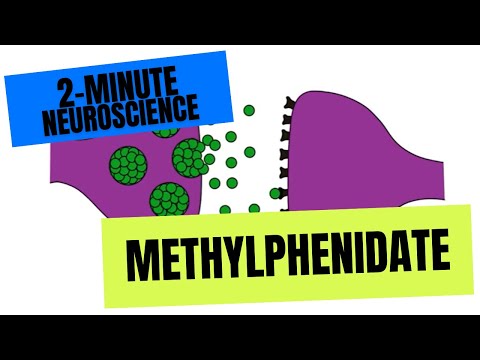
First off, what exactly is Concerta? It’s a brand name for methylphenidate, which is a stimulant medication. Essentially, it helps increase levels of certain chemicals in the brain that are important for paying attention and controlling impulses. But here’s the kicker: sometimes, these same brain changes can have effects on mood as well.
Now, here are some potential benefits.
When people can concentrate better, they often feel less stressed out. This reduction in stress can naturally lift your mood.
Many users report feeling more motivated and energized while on Concerta. This boost can encourage engagement in activities you love.
For some people, the increased dopamine levels might help smooth out those emotional bumps we all face now and then.
Despite these positives, there are important things to consider too.
Side effects are part of the package with any medication. With Concerta specifically, folks might experience insomnia or anxiety—both of which aren’t exactly mood enhancers themselves. And then there’s the risk of dependency; stimulant medications can sometimes become a crutch instead of a true solution.
Another point worth mentioning is how Concerta interacts with other conditions. If you’re dealing with depression or bipolar disorder along with ADHD, it’s crucial to have an open dialogue with your healthcare provider about how Concerta may fit into your overall treatment plan.
One thing that I’ve seen happen is when someone tries to use Concerta alone for mood stabilization without addressing underlying issues like anxiety or depression; it doesn’t always end well. Just because something works for one person doesn’t mean it’ll work for everyone else. You follow me?
So while Concerta might offer some interesting benefits for mood stabilization in certain cases, it’s essential to approach this idea carefully and under professional guidance. Ultimately, finding what works best for you often involves trial and error—and lots of patience—as you navigate your mental health journey.
Exploring the Impact of Concerta on Mental Health: What You Need to Know
So, let’s chat about Concerta. You might have heard of it if you or someone you know is dealing with ADHD. Basically, Concerta’s a medication that helps folks manage the symptoms of Attention Deficit Hyperactivity Disorder. But what’s the real impact on mental health? Let’s break it down.
First off, ***Concerta contains methylphenidate***, which is a stimulant. Now, don’t freak out! That doesn’t mean it’s dangerous or something. Stimulants work by boosting certain chemicals in your brain that can help improve focus and decrease impulsivity. It can be super helpful for people who find it hard to concentrate or stay organized.
Now here’s where it gets interesting. A lot of people report feeling more **calm and focused** after taking Concerta. You might find yourself actually finishing tasks that usually feel overwhelming. Like I remember this one person saying how they could finally sit down and read a book without drifting off into space every few minutes. That’s a big deal!
But like any medication, Concerta isn’t a magic cure-all. Some folks experience side effects, which can be pretty annoying. Things like **insomnia**, loss of appetite, or even anxiety might pop up for some people. Imagine trying to get through your day but feeling restless and jittery instead—it can really mess with your mental health if you’re not careful.
So what happens if you stop taking it abruptly? Well, withdrawal symptoms can occur for some individuals. They might feel irritable or have trouble focusing—kind of like going back to square one after making progress! So before making any changes to your meds, it’s always smart to talk to your doctor first.
Then there’s the whole issue of long-term use. Some studies suggest that ***Concerta can help improve academic performance*** and quality of life for those with ADHD over time—but again, it’s not universal! Everyone’s brain reacts differently to medications; it’s really all about finding what works best for you.
And here’s something important: there are also concerns about misuse or dependency on Concerta because it is a controlled substance—so using it strictly as prescribed by a doctor is vital! Misusing stimulants can lead to serious mental health problems down the line.
To sum up:
- Concerta helps manage ADHD symptoms by boosting focus and organization.
- It may cause side effects like insomnia and anxiety.
- Stopping suddenly can lead to withdrawal symptoms.
- Long-term use has benefits but varies from person to person.
- Always use as prescribed due to potential misuse risks.
So yeah, understanding how Concerta impacts mental health requires patience and communication between you and your healthcare provider. It truly is about finding the right balance that works for you!
Okay, so let’s chat about Concerta for a minute. It’s one of those medications people often turn to when dealing with ADHD. You know, it’s like a little helper that kicks in and helps you focus better, but it’s not just about that. There’s a lot more to the story.
Imagine you’re sitting in a classroom, and your mind is racing all over the place. You want to pay attention, but it feels like trying to catch smoke with your bare hands—frustrating, right? It can really mess with your confidence and make you doubt yourself. I remember a friend of mine who struggled with this exact thing. She’d be vibrant and full of ideas but couldn’t get them out without feeling overwhelmed. That’s where her doctor suggested Concerta.
So, what happens when someone takes Concerta? Well, it starts to work by helping your brain manage those signals—it basically gives you a clearer path through all that mental noise. People often say they feel calmer and more focused after starting on it. But here’s the catch: it’s not a magic pill. It doesn’t solve everything; it’s just one piece of the puzzle.
There’s also the whole dosage thing—you can’t just pop one and expect life to be perfect! Finding the right amount can take some time and patience. Some folks might feel jitters or have trouble sleeping at first—that part can be tough—but many end up finding their groove after adjusting.
And while medication helps tons of people manage their symptoms better, therapy can play a crucial role, too. Like my friend had therapy alongside her Concerta treatment. It helped her build coping strategies and understand herself better—not just masked the symptoms with meds.
In short, Concerta is important for many in managing ADHD symptoms, but it’s not everything—you still gotta put in the work from your side too! Identifying triggers, practicing mindfulness or organizational skills… these things go hand-in-hand with any medication you’re taking.
So there it is—Concerta can be a great support in navigating life with ADHD but remember: it’s about finding balance between meds and personal growth! What do you think about mixing those two approaches? Seems like a solid plan to me!