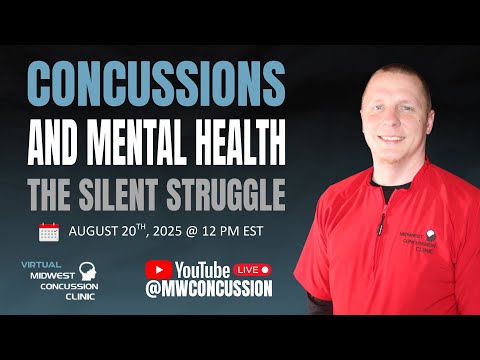
You know, concussions are often seen as just a sports injury. But there’s way more to the story.
Imagine playing your favorite game, and then—boom! You get knocked out cold.
That’s what happened to my buddy Jake. One minute he was on top of the world, and the next, everything changed. It wasn’t just about headaches or being dizzy.
After that hit, he started feeling down, really down. He didn’t connect the dots right away, but hey, it’s more common than you think.
So let’s chat about this hidden link between concussions and depression. It matters more than we realize. Seriously, it’s time to shine a light on it!
Exploring the Connection: Can Concussions Lead to Depression?
Can concussions lead to depression? That’s a big question, right? Concussions, those brain injuries that often happen during sports or accidents, can have some serious effects on your mental health. It’s not just about the physical symptoms like headaches or dizziness; there’s more going on under the surface.
When you suffer a concussion, it can mess with your brain chemistry. This might sound complex, but basically, it influences the way your brain sends and receives signals. You know what this means? Well, some folks end up feeling low or even experiencing full-blown depression afterward. Studies actually show that people who’ve had concussions are at a higher risk of developing mood disorders compared to those who haven’t.
Here are a few reasons why this happens:
- Chemical changes: A concussion can disrupt neurotransmitters—those little messengers in your brain that help regulate mood. If they’re out of whack, you could feel sad or anxious.
- Physical symptoms: The headaches and fatigue often linked to concussions can make everyday life tough. Feeling crummy all the time doesn’t exactly boost your mood.
- Social isolation: If you’re sidelined from activities you love because of a concussion, like playing sports or hanging out with friends, it can lead to feelings of loneliness.
Let’s say you’re an athlete who gets a concussion during a game. At first, you might just think about recovering physically. But over time, if you’re struggling with constant headaches and can’t play anymore, you might start feeling really down about it all.
Anecdote time! I remember talking to someone who was an avid soccer player. After getting hit during practice and suffering a concussion, they couldn’t participate in games for weeks. They mentioned how initially it felt okay—like they had time off—but then quickly spiraled into feelings of sadness and frustration because they missed out on everything they loved about being part of the team.
It’s crucial—really—that after experiencing a concussion, you’re aware of how it’s affecting not just your body but also your mind. Recognizing these emotional shifts is important for getting good help early on.
If someone finds themselves experiencing depressive symptoms after a concussion—like persistent sadness or loss of interest in things they usually enjoyed—it’s super important to reach out for support. Therapy can be really helpful here! Therapists understand these connections and can offer coping strategies tailored specifically for those dealing with the aftermath of concussions.
In sum, yes, concussions can definitely lead to depression due to changes in brain chemistry and lifestyle disruptions. Staying aware and proactive about both physical recovery and emotional health is key!
Understanding the Duration of Emotional Dysregulation After a Concussion: Key Insights and Recovery Tips
Emotional dysregulation after a concussion can feel like riding a rollercoaster where the ups and downs come out of nowhere. One minute you’re fine, and the next, boom! You’re overwhelmed with irritation, sadness, or anxiety. That’s because concussions can mess with your brain’s chemistry and function, making it harder to manage feelings.
When we talk about duration, it really varies from person to person. For some folks, emotional swings might last just a few days or weeks post-injury. But for others? It can stretch on for months or even longer. This is influenced by several factors like your age, previous injuries, mental health history, and even how well you’re taking care of yourself during recovery.
So what happens inside your brain? Well, think of it this way: concussions often disrupt connections between different parts of your brain that help process emotions. It’s like trying to listen to music with a busted speaker—everything sounds muddled and unclear! You might find yourself crying during commercials or snapping at loved ones over silly stuff. That lack of control is frustrating and can sometimes lead people into depression.
Here are some key points to keep in mind regarding emotional dysregulation after concussions:
- Recognize the Signs: It’s important to identify when these feelings are off the charts. Watch out for mood swings that feel out of place.
- Time Matters: Emotional dysregulation may take time to settle down. Be patient with yourself.
- Seek Support: Talking things through with friends or family can really help ground you.
- Avoid Triggers: If certain activities or situations amp up your emotions, do your best to steer clear until you feel more stable.
- Mind Your Body: Sleep well, eat nutritious foods, and get some light exercise if you can; all these things support brain healing.
Let’s not forget that along with emotional struggles come physical symptoms too—like headaches or dizziness—which can add another layer of stress when trying to cope emotionally.
I once knew someone who sustained a concussion while playing soccer; they were always upbeat but afterward struggled with bouts of anger and sadness that left them bewildered. They just didn’t feel like themselves anymore! But here’s the thing: they sought therapy which helped them navigate their feelings and better understand how their injury changed their emotional landscape.
Lastly, if you’re feeling stuck in this cycle after a concussion—it’s crucial not to hesitate in reaching out for professional help. A therapist who understands concussion-related issues can be invaluable. Working together on coping strategies might mean fewer surprises when those big emotions show up uninvited.
In short? Remember that recovery isn’t just about physical healing; it also involves tending gently to your emotional health as well!
Understanding the Common Physical Symptoms of Persistent Post-Concussion Syndrome
Persistent Post-Concussion Syndrome (PPCS) can be a real pain, literally and figuratively. After a concussion, some people don’t just face headaches or cognitive issues; they might find themselves dealing with a whole range of physical symptoms that just won’t go away.
You see, when you suffer from a concussion, it’s not just your brain that gets knocked around. The body reacts in all sorts of ways. These physical symptoms can create this frustrating cycle where you feel bad physically, which can lead to feelings of anxiety or depression. It’s a tough spot to be in.
- Headaches: One of the most common complaints after a concussion is persistent headaches. They might feel like tension or even migraines. Imagine having that throbbing pain just hanging around, affecting everything you do.
- Dizziness: Feeling lightheaded or dizzy can really throw you off balance—literally! You might have trouble walking straight or even standing up for too long without feeling like the room is spinning.
- Fatigue: This isn’t just being tired after a long day. It’s this overwhelming exhaustion that makes even simple tasks feel impossible. You might sleep more than usual and still wake up feeling drained.
- Sensory sensitivities: Many folks report issues with light and sound after their concussion. Bright lights might seem blinding, and noises can feel louder than they actually are, making it tough to relax or focus.
- Nausea: Some people experience persistent nausea or even vomiting in the weeks following their injury. This isn’t just regular stomach upset; it feels much worse and is hard to shake off.
The thing is, these physical symptoms don’t exist in a vacuum. They often arise alongside emotional challenges like anxiety and depression because dealing with ongoing discomfort or unpredictability takes a toll on your mental health too!
If you’ve ever had days where everything felt heavy—the weight of your head pounding while grappling with constant fatigue—you’d understand how this could spiral into feelings of sadness or hopelessness over time.
This link between physical symptoms and mental health is crucial to recognize because managing one side often helps improve the other. So whether it’s through therapy, medication (not saying it’s for everyone), or lifestyle changes, addressing both aspects could yield some relief.
In sum, understanding the common physical symptoms of PPCS isn’t just about knowing what they are; it’s about seeing how intertwined our bodies and minds truly are in healing processes! Getting support from medical professionals who understand this dynamic can make all the difference moving forward.
You know, it’s super interesting how our brains work. When we think about concussions, like, we usually picture the physical stuff—headaches, confusion, maybe some dizziness. But there’s this whole psychological side that often gets overlooked. I mean, who talks about how a concussion can lead to feelings of depression? Seriously.
I once knew this guy, let’s call him Jake. He was a star athlete in college—super active and outgoing. One day during a game, he took a hard hit to the head. Typical concussion symptoms followed: headaches and nausea at first. But then came something unexpected: he started feeling really down and distant from his friends and family. It wasn’t just a “bad day.” No matter how hard he tried to shake off the fog or put on a brave face, he felt trapped in his own mind.
That’s the thing! Some studies have shown that people who experience concussions can face an increased risk of depression later on. The brain goes through so much after an injury like that; it’s like throwing its wiring into disarray. The emotional push-and-pull is real—you might feel isolated because you can’t do what you used to love or because you’re struggling with your thoughts.
It makes total sense that if you’re constantly dealing with headaches or fatigue from a concussion, your mood would take a hit too. And when you’re feeling low for days or weeks on end, it’s tough not to spiral into depression without even realizing what’s happening.
But here’s where it gets tricky: there’s often stigma around mental health issues tied to physical injuries. People might not connect the dots between their head trauma and their emotional state because they think “Oh, I should just be over this.” So they suffer in silence instead of reaching out for help.
It’s important to emphasize how intertwined our physical and mental health really are—like two sides of the same coin. If you’ve experienced a concussion or know someone who has, keep an eye on those emotional changes too! Sometimes talking it out with someone can make all the difference.
So yeah, that hidden link between concussions and depression is worth acknowledging more openly. It’s not always just about getting back on your feet physically; it often means giving equal attention to what’s going on inside your head as well.