So, let’s chat about something we all kinda know but don’t really talk about: conflict avoidance. You might be wondering, “What’s that all about?” Well, it’s like this sneaky thing where you dodge tough conversations or disagreements because, honestly, it just feels easier.
You know that moment when you’d rather scroll through your phone than deal with a fight? Yeah, that’s part of it. It can feel like you’re walking on eggshells. And it’s not just awkward—it can get heavy and frustrating too.
I remember my buddy Sarah. She always avoided talking about her feelings with her family. It led to misunderstandings and some pretty rough times. Once she finally opened up? Totally changed the game for her.
That’s what we’re diving into! How avoiding conflict affects us and what we can do about it—sorta like finding a way out of a maze. Sound good? Let’s go!
Understanding Conflict Avoidance Disorder: Key Examples and Insights for Mental Health
Conflict Avoidance Disorder isn’t an official diagnosis you’ll find in the DSM-5, but it describes a pattern that many people can relate to. It’s like when you’d rather scroll through your phone than face an awkward conversation. The thing is, avoiding conflict can mess with your relationships and mental health.
So, what exactly is conflict avoidance? Basically, it’s when someone consistently dodges confrontations or disagreements. Instead of tackling issues head-on, they might ignore problems or suppress their feelings. This often happens out of fear—fear of rejection, anger, or just the discomfort that comes with disagreements. But here’s the kicker: while it seems easier to avoid conflict, it usually leads to more significant issues down the line.
Key Insights:
- Communication Breakdown: When you’re avoiding conflict, it can create misunderstandings. For instance, if a friend never speaks up about feeling neglected in a friendship, resentment builds over time.
- Bottled Up Emotions: Keeping feelings inside isn’t healthy. Imagine being at a family dinner where someone keeps cracking jokes at your expense, and instead of saying something, you just laugh it off—eventually, you’ll explode!
- Fear of Disapproval: Many people fear that expressing their opinions will lead to disapproval from others. It’s like walking on eggshells around certain friends or family members.
- Avoidance Cycle: The more you avoid confrontation now, the more you’ll feel compelled to avoid it later. It’s a vicious cycle! This can lead to anxiety and stress over time.
Now let’s look at some real-life examples that illustrate this idea better:
Say you’re in a romantic relationship and there are issues nagging at you—like how your partner leaves dirty dishes everywhere. Instead of bringing it up because you’re worried it’ll turn into a fight, you keep quiet. This avoidance might seem like peacekeeping at first but could lead to growing frustration and resentment.
Or think about a scenario at work where your boss has unrealistic expectations piled on your desk every week. If you’re hesitant to address this out of fear they’ll see you as incompetent or lazy, it’ll hurt your performance and mental health in the long run.
Recognizing these patterns is crucial for change! Talking about feelings openly can feel uncomfortable but it’s key for healthier relationships and self-esteem.
The road to confronting conflict isn’t easy—it takes practice! You might start small by voicing opinions on less sensitive topics before diving into bigger issues. And seriously? Therapy can help too! A therapist could offer tools for effective communication and guide you through those tough conversations.
Conflict Avoidance Disorder highlights an essential aspect of life: facing challenges head-on can strengthen bonds rather than breaking them down. So next time you’re tempted to dodge that talk about feelings or concerns? Maybe consider stepping up instead; it’ll probably be worth it in the end!
Understanding Conflict Avoidant Personality Disorder: Signs, Causes, and Strategies for Improvement
Conflict Avoidant Personality Disorder, often just called conflict avoidance, is a way of dealing with situations where there’s tension or disagreement. People with this personality trait usually feel anxious or uneasy when facing conflict and do whatever they can to dodge it. It’s like being at a party and realizing you’re in a conversation that’s getting heated. Instead of standing your ground, you might just zone out or slip away quietly.
So, what are the signs? Well, here are a few common indicators:
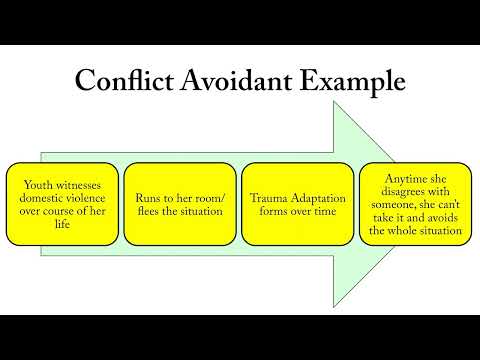
It’s not just about being shy or introverted. It can stem from deeper issues like childhood experiences. For example, if during your upbringing expressing feelings led to negative outcomes—like yelling or criticism—you might have learned that avoiding conflict was the safer option.
Now let’s chat about causes. The roots of conflict avoidance often trace back to early relationships. If your parents avoided tough talks or battled over disagreements without resolution, it can set a precedent for how you handle conflict later in life.
Traumatic experiences also play a big role. Imagine someone who grew up witnessing intense arguments that escalated into violence; they might carry that fear into adulthood. It’s all about how we learn to cope—or not cope—with discomfort.
But hey, there are definitely strategies for improvement that can make navigating this easier! Here are some practical ones:
Another effective strategy is therapy. Working with someone who gets this stuff can really help unpack why you feel the way you do about conflicts and guide you on how to approach them more healthily.
In therapy, techniques like Cognitive Behavioral Therapy (CBT) can be useful because they help change negative thought patterns into more positive ones. You start believing it’s okay to express yourself without needing everyone necessarily on board.
So yeah, while overcoming a tendency toward conflict avoidance isn’t an overnight journey, taking those small steps could lead to healthier relationships and an overall happier life experience! Don’t forget—it all starts with self-awareness and being kind to yourself through the process!
Understanding Conflict Avoidance Behavior: Causes, Effects, and Strategies for Healthy Communication
Conflict avoidance behavior is something we all might experience from time to time. It’s when people steer clear of disagreements, confrontation, or anything that could lead to an argument. While it might feel easier in the short run—like dodging a bullet—it can create a bunch of problems down the line. So let’s break it down, okay?
First off, what makes someone avoid conflict? Well, there are a few common reasons:
- Fear of confrontation: Some folks just can’t handle the tension that comes with disagreements. They might worry about escalating anger or feelings getting hurt.
- Poor communication skills: If you didn’t grow up seeing healthy arguing or conflict resolution, you might not know how to handle disputes effectively.
- Desire for harmony: Wanting everyone to get along is natural. But sometimes this leads people to ignore their own needs and feelings.
- Anxiety and past experiences: If you’ve had negative past confrontations, that fear can stick with you. It’s like a bad movie on repeat in your mind.
The effects of avoiding conflict can be pretty far-reaching. For starters, you may find yourself feeling bottled up. When your feelings go unexpressed, frustration builds up like pressure in a soda bottle ready to pop! This can lead to stress and anxiety over time.
You might also notice some relationship issues. When one person avoids conflict, the other often feels unheard or ignored. This imbalance can create distance and misunderstandings between people who care about each other.
If you’re dealing with this kind of behavior regularly, you need some strategies for healthier communication! Here are some ideas:
- Acknowledge your feelings: Start by recognizing when you’re feeling uneasy about something. Even saying “I feel…” out loud can help make it real.
- Create safe spaces: Talk about conflicts in environments where both parties feel secure and relatively relaxed—maybe over coffee instead of during a heated moment.
- Practice active listening: When others speak, try focusing fully on what they’re saying instead of thinking about how to respond right away. This can show them you’re engaged.
- Set small goals: If diving into tough topics seems daunting, start small! Maybe address minor issues first before working your way up to bigger ones.
Your journey towards better communication won’t be perfect; that’s totally normal! You’re not alone in this struggle either—many people wrestle with conflict avoidance at some point in their lives.
If you find that the patterns are deeply rooted or affecting your well-being significantly, reaching out for help from a mental health professional could be really beneficial. They can offer tailored strategies and support specific to your situation!
Bouncing back from conflict avoidance takes time and patience but with practice, it’s entirely doable. You got this!
So, conflict avoidance, huh? It’s like this sneaky little issue that creeps into your life and can turn everyday situations into a minefield. You might be surprised at how many folks deal with this. I mean, picture your friend who always says “yes” to everything, even when they’re maxed out. Or maybe you find yourself tiptoeing around disagreements, avoiding those tough conversations that just need to happen.
When I think about conflict avoidance, I remember a time when a close friend of mine was dealing with some drama at work. She had this co-worker who constantly overstepped boundaries but, instead of speaking up, she just kept letting it slide. It got ridiculous! She was unhappy but felt trapped in this cycle of pleasing everyone else. The thought of confrontation? Just too overwhelming.
Now, conflict avoidance isn’t just being shy or non-confrontational; it’s rooted in deeper stuff like fear of rejection or not wanting to hurt people’s feelings. Honestly? It can leave you feeling pretty isolated because you’re not expressing your true thoughts and feelings. You’re like a pressure cooker waiting to explode!
And the thing is, this habit can impact other areas of life too—like friendships and relationships where honesty is key. If you keep dodging conflict, it’s easy for resentment to build up until you snap or just pull away completely. I’ve seen it happen more times than I can count.
But here’s the kicker: navigating through these fears doesn’t mean you have to become some sort of confrontation ninja overnight! It’s all about baby steps—starting small by practicing openness with people you’re comfortable with first. Like, maybe having a light disagreement about what movie to watch instead of diving headfirst into serious subjects.
Sometimes it can help talking to someone about these feelings—like a therapist who gets what you’re going through and can help guide you in more constructive ways to manage those tricky situations. Seriously though, addressing conflict doesn’t mean losing friends; it might actually strengthen bonds by encouraging authenticity.
So yeah, if avoiding conflict feels like part of your life narrative, know that it’s totally possible to change the script over time! It takes practice and courage but confronting those tough chats can ultimately lead you toward more genuine connections and personal growth—and that’s worth the effort any day!