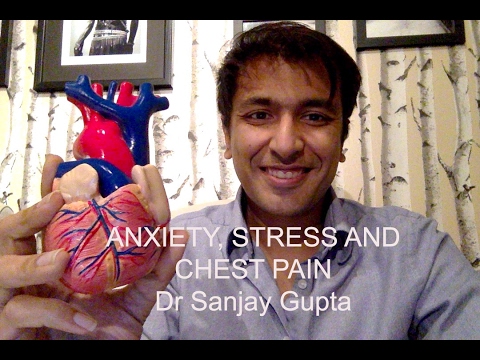
You ever feel that tightness in your chest? Like someone’s squeezing your lungs? It can be kinda scary, right? You’re not alone in this.
A lot of folks experience chronic chest tightness, and it often ties back to anxiety. Seriously, it’s wilder than you’d think. You might be going about your day when suddenly, bam! That tightness hits.
Sometimes, it feels like your body is playing tricks on you. Maybe you start second-guessing if something’s wrong. Honestly, that’s totally normal. Anxiety loves to creep in and mess with our bodies in ways we don’t always see coming.
So let’s chat about what’s really going on here, okay?
Understanding the Connection Between Cortisol and Chest Tightness: What You Need to Know
When you think about stress and anxiety, one of the first things that pops into your mind might be that feeling of tightness in your chest. It can be pretty uncomfortable, right? So, what’s going on there? Well, let’s break it down, you know?
First off, cortisol is a hormone that your body releases when you’re stressed. It’s like your built-in alarm system. This guy gets triggered during stressful situations, flooding your system to help you react. But here’s the kicker: if you’re constantly stressed—like with anxiety—the cortisol levels stay high for longer than they should. And that’s when things can really get tricky.
You might be wondering how this relates to chest tightness specifically. So basically, when cortisol hangs around too much, it can lead to a bunch of physical symptoms. One of those symptoms is muscle tension in the chest area. And that’s where the tightness comes from. It’s like your body is ready for fight or flight mode 24/7!
Here are some key points to consider:
- Cortisol increases muscle tension: When cortisol surges in response to stress or anxiety, your muscles tighten up.
- Breathing changes: Anxiety can lead to shallow breathing which makes you feel even tighter in the chest.
- Cyclical nature: The more anxious you feel about the tightness, the more it can exacerbate your stress levels.
So let’s paint a picture here for a sec: Imagine you’re sitting at work and a project deadline is looming over you like some dark cloud. Your heart races, and then boom—there’s that familiar tightness creeping into your chest! You start hyper-focusing on it; then bam—now you’re even more anxious about it! It’s like getting stuck in an anxiety loop.
What can you do? Well, managing cortisol is key here. You might want to explore some ways to calm down that stress response:
- Mindfulness practices: Techniques like deep breathing or meditation are great for reducing overall anxiety.
- Regular exercise: Getting physical helps release endorphins and balances out those high cortisol levels.
- Talk therapy: Sometimes just chatting with someone about what you’re feeling can lighten that load.
Remember though, if this tightness becomes chronic or feels unbearable—it’s always good idea to talk with a healthcare professional. You don’t have to go through this alone!
So yeah, understanding how cortisol works and its connection with chest tightness offers a glimpse into why our bodies react as they do under pressure. When we recognize these signs early on and tackle them head-on with strategies that work for us personally—we’re way better off!
Effective Strategies to Relieve Chest Tightness from Anxiety: Tips for Instant Relief
Chest tightness can feel like an elephant sitting on your chest. Seriously, it can be pretty terrifying. If you’ve ever felt that way, especially when anxiety sneaks in, you’re not alone. It happens to a lot of people and is usually tied to the fight-or-flight response. Your body gets all worked up, and then boom—tight chest.
First off, let’s chat about why this happens. When you’re anxious, your body goes into overdrive. It might feel like your heart’s racing or that you’re short of breath. All those feel-good hormones get pumped out, and it can lead to physical symptoms like chest tightness. You know? It’s like a cascade effect where one thing leads to another.
To help relieve this feeling, there are some strategies that could work for you. Here are some effective ones:
1. Deep Breathing
Let’s start with breathing exercises. Deep breathing helps calm your nervous system down. Here’s a simple technique: inhale slowly through your nose for a count of four, hold it for four counts, then exhale through your mouth for six counts. Repeat this for a few minutes until you notice the tightness easing up.
2. Progressive Muscle Relaxation
This is pretty neat! It involves tensing and then relaxing different muscle groups in your body. Start from your toes and work your way up to your shoulders or even your face! By focusing on how good it feels to relax each part after tensing it up, you’re distracting yourself from the anxiety sort of pressure building up in your chest.
3. Grounding Techniques
These techniques can help bring you back to the present moment when anxiety feels overwhelming. Try the 5-4-3-2-1 method: Identify five things you can see around you right now, four things you can touch, three things you can hear, two things you can smell (or imagine smelling), and one thing you can taste (like gum or water). This will draw attention away from that tight feeling.
4. Movement
Getting some movement into your day is another great way to relieve stress-related symptoms like chest tightness. Whether it’s going for a walk outside or doing some yoga at home—just getting active helps release built-up tension that could be causing discomfort.
5. Write It Down
You might find journaling super helpful too! Grab a notebook and write about what’s making you anxious at the moment or any thoughts swirling around in your head. Just pouring these feelings out on paper gives those thoughts less power over you.
And hey, while these strategies might help with temporary relief—and they really do work for many people—it’s crucial not to ignore persistent symptoms of anxiety or chest tightness altogether if they keep popping up regularly or if they worsen over time.
If that’s happening? Talking with someone who knows their stuff—like a therapist—can be really beneficial too! They’re pros at helping unpack those deeper feelings related to anxiety.
So remember: if chest tightness rears its ugly head again as a result of anxiety, focus on breathing deep first, grounding yourself in what’s real around you second—then get moving if possible! You’ll be surprised at how much better things may begin to feel every time!
Understanding the Connection: Can Daily Anxiety Lead to Chest Pain?
So, let’s chat about something that a lot of people wonder about: can daily anxiety lead to chest pain? It might sound surprising, but the answer is “yes.” You see, anxiety can really mess with your body in some intense ways. When you’re stressed or anxious, it’s like your fight-or-flight mode kicks in. That means your heart starts racing and your muscles tighten up—especially around your chest.
Let’s break it down a bit, shall we? When you’re anxious:
- Your body releases stress hormones, like adrenaline. This makes your heart pump faster and can cause tightness in the chest.
- Your breathing changes. You might take quick, shallow breaths instead of nice deep ones. This can lead to feelings of tightness or discomfort.
- You may be hypervigilant. Basically, you’re more aware of every little sensation in your body. So if you feel a twinge in your chest, it might freak you out even more.
If you’ve ever felt that gnawing pressure in your chest after a stressful day or an intense moment at work, you’re not alone. I remember a friend who had this persistent tightness. She thought it was serious health issues—like heart problems—but it turned out to be linked to her ramped-up anxiety levels at work. Getting through deadlines and meetings left her feeling completely on edge.
Now, let’s talk about chronic chest tightness specifically. If you’ve been feeling this way consistently and find that it correlates with stress or anxiety episodes, it’s definitely worth paying attention to. Chronic conditions like these often mean that you’re stuck in a loop where anxiety triggers physical symptoms which then fuel more anxiety. It’s like a cycle that feeds itself!
If the chest pain gets worse or feels different from normal anxiety symptoms—like if it radiates down an arm or comes with shortness of breath—it’s super important to check in with a doctor right away. Better safe than sorry when it comes to anything concerning the heart!
The good news is there are ways to manage this connection between anxiety and physical symptoms:
- Breathing exercises: Learning how to breathe deeply and slowly can calm both mind and body.
- Therapy: Talking things out with someone who understands can be incredibly helpful. Cognitive-behavioral therapy (CBT) is one method that many find effective for tackling anxiety.
- Regular exercise: Seriously! Getting moving helps reduce overall tension and boosts those feel-good hormones.
The point is: while daily anxiety can definitely lead to real sensations like chest pain, it’s important to understand the roots of what’s happening inside you—and find ways to ease the pressure on both mind and body. Just remember that connecting with healthcare professionals can guide you toward healthier habits and relief!
Chronic chest tightness can really feel like an unwelcome guest, right? It’s that annoying sensation where you feel like there’s a weight pressing down on you, almost as if someone has wrapped an uncomfortable band around your chest. Sometimes it creeps in gradually, and other times it hits you out of the blue. And while there can be physical reasons for this feeling—like asthma or heart issues—it’s often tied up with anxiety too.
I remember a friend of mine who dealt with this for years. She was super active and couldn’t understand why she’d get so out of breath just walking up the stairs. She thought maybe it was just being out of shape or something she could exercise off, but nope! Turns out it was more related to anxiety than anything else. While her mind was racing with worries about work and relationships, her body was responding in kind, tightening up like a coiled spring.
You see, when you’re anxious, your body goes into fight-or-flight mode—those instincts kick in and prep you to face danger…even if there isn’t any real threat around. Your muscles tense up. Your breathing gets shallow. And before you know it, that tightness in your chest becomes more than just discomfort; it becomes a way of life.
The thing is, dealing with chronic chest tightness means learning to untangle those threads connecting your mind and body. Therapies like cognitive-behavioral therapy (CBT) can help address the crazy thoughts fueling the anxiety while teaching you coping strategies to manage physical symptoms too—like breathing exercises that actually help loosen up that tight band.
But hey, even if therapy isn’t on your radar yet, just knowing that this feeling isn’t all in your head can be comforting! It helps to talk about what you’re going through. Share with friends or family; they might relate or have their own experiences to share.
So yeah, experiencing chronic chest tightness doesn’t mean there’s something physically wrong every time—it might be more about what’s happening upstairs than down below! And figuring that out can take time and support from others—or professionals—to really make sense of what’s causing those uncomfortable feelings.