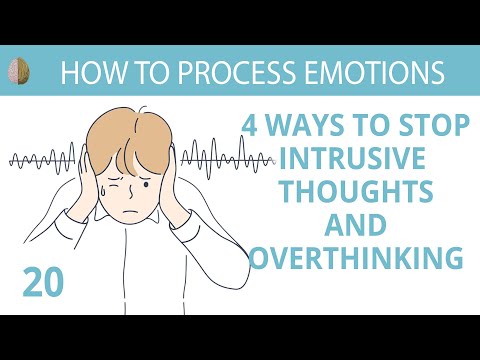
You know those days when your mind just won’t shut up? Like, you’re trying to enjoy a moment, and then boom—thoughts start flooding in. Seriously, it can feel like a never-ending movie playing in your head.
Intrusive thoughts can be super annoying. They sneak in when you least expect them. You might think, “Why am I even thinking this?” It’s frustrating, right?
But here’s the thing: you’re not alone in this. A lot of us deal with these pesky thoughts, and it doesn’t mean anything’s wrong with you. It’s all part of being human.
Let’s talk about what these thoughts are really about and how to navigate through the chaos. You got this!
Effective Strategies to Overcome Extreme Intrusive Thoughts
When you’re dealing with those pesky intrusive thoughts, it can feel like you’re trapped in your own mind, right? They sneak up on you out of nowhere and can really mess with your day. So, what can you do to take back some control? Let’s talk about a few strategies that might help.
First off, recognizing the thoughts is key. This isn’t just brushing them off or trying to ignore them. It’s more like saying, «Hey, I see you there!» Acknowledging that these thoughts are intrusive and don’t reflect who you are is super important. You’re separating the thought from yourself.
Then there’s the idea of mindfulness and grounding techniques. These are all about bringing your focus back to the present moment. For example, try paying attention to your breath—count how many seconds it takes for you to inhale and exhale. Or look around and describe five things you can see, four things you can touch, three things you can hear, two things you can smell, and one thing you can taste. It’s a quick way to shift your focus away from those nagging thoughts.
Another strategy is practicing self-compassion. It’s easy to beat yourself up when those thoughts hit hard. But instead of being harsh on yourself for having them—because let’s face it, everyone has weird thoughts sometimes—try treating yourself like you’d treat a friend facing the same issue. Seriously! Tell yourself that it’s okay and that what you’re experiencing is just part of being human.
You might also want to consider distraction techniques. Engaging in activities that require your full attention can really help push those intrusive thoughts aside temporarily. Whether it’s reading a book, cooking a new recipe, or even getting lost in a video game—just pick something that fully absorbs you.
If these strategies seem too tough on some days—and hey, we all have those days—don’t hesitate to talk about it with someone like a therapist or a trusted friend. Sometimes just saying what you’re feeling out loud helps lighten the load. Plus, professionals have their own bag of tricks!
Lastly, it might be worth looking into journaling. Writing down what you’re feeling can be a powerful outlet. You could jot down the intrusive thought and then write next to it why it’s not true or how other people experience similar things too! Over time this helps desensitize you.
So there ya go! You don’t have to let extreme intrusive thoughts run your life; there are ways around ‘em. Just remember: recognizing them as temporary annoyances instead of permanent truths will get easier over time with practice and maybe even some help from others along the way!
Overcoming Thought Fixation: Effective Strategies to Break Free from Negative Thinking Patterns
Overthinking can be a real drag, huh? It’s like your brain gets stuck in a loop, replaying negative thoughts over and over again. You might find yourself wondering if you’re good enough at work or if people really like you. This mental treadmill can wear you out. But don’t sweat it—there are ways to break free from those pesky thought patterns.
First off, mindfulness is a game changer. Basically, it’s about being present and aware of your thoughts without judging them. Imagine you’re just observing clouds floating by in the sky. This helps you realize that thoughts are temporary; they don’t have to define your reality. Finding a few minutes each day to practice mindfulness can seriously help clear some of that mental clutter.
Another powerful strategy is cognitive restructuring. This is fancy talk for challenging those negative thoughts directly. Say your mind tells you, “I always mess everything up.” Pause for a second—ask yourself if that’s really true. Maybe you’ve made mistakes, sure, but we all do! Try flipping that thought: “I learn from my mistakes and improve.” It takes practice but is totally worth it.
Engaging in physical activity can also do wonders for your mental health. Exercise releases endorphins—those feel-good hormones—and gives you a natural boost. Even a brisk walk for 30 minutes can shake loose some of those stubborn thoughts rattling around in your head.
There’s something to say about sharing what’s on your mind too. Talking it out with someone, whether it’s a friend, family member, or therapist, helps lessen the burden of intrusive thoughts. Your loved ones might even provide perspectives that flip the script on negativity.
And then there’s journaling—it sounds simple but trust me; writing down what you’re feeling can be incredibly freeing. You get all those swirling thoughts out onto paper, where they seem less overwhelming somehow. Plus, reading back through journal entries later shows just how much progress you’ve made!
Lastly, if all else fails and things feel really heavy, reaching out to a mental health professional isn’t just okay—it’s smart! Sometimes we need someone who gets it to help us untangle the web of our minds.
In short: It’s totally possible to overcome thought fixation! With strategies like mindfulness and cognitive restructuring combined with physical activity and talking things through with others—you’ll start seeing changes in how you think and feel over time.
Understanding Intrusive Thoughts: Real-Life Examples and Insights
Intrusive thoughts can be a real pain in the neck. These are those unwanted, nagging thoughts that pop into your head out of nowhere and just won’t budge. They can be about anything—like worrying you’ll accidentally harm someone, or maybe thinking about embarrassing things from your past. Seriously, it’s that random and annoying.
So, what’s the deal with these thoughts? Well, they often show up when you’re feeling stressed or anxious. It’s like your brain is trying to protect you from potential dangers by creating these scenarios that make you freak out a bit. But here’s the kicker: having these thoughts doesn’t mean you’re a bad person or that you actually want to act on them.
Real-life examples can shed some light on this. Imagine you’re taking a walk and suddenly think, “What if I just jumped in front of that bus?” It seems terrifying, right? But most likely, you’re not actually considering doing it; it’s just your mind throwing out the weirdest idea possible because it’s wired that way sometimes.
Another classic example is when someone obsessively worries about leaving their stove on. They might picture their house burning down every time they leave for work. This kind of thought can cause major distress but doesn’t reflect who they really are.
Now let’s unpack why this happens a bit more. Your brain naturally goes through millions of thoughts each day, but some get stuck like a broken record. This is often linked to conditions like anxiety disorders or OCD (Obsessive-Compulsive Disorder). In these cases, the brain gets trapped in overthinking.
People might also start getting anxious about having intrusive thoughts themselves. Like, “Why am I thinking this? Is something wrong with me?” Here’s the thing: everyone has weird thoughts now and then; it doesn’t define who you are.
What can help? Understanding that these invasive ideas are generally harmless can be a good first step. Trying not to react strongly or fight them usually makes them fade away faster than dwelling on them does.
Some folks find talking things out with a therapist super helpful. Therapy approaches like CBT (Cognitive Behavioral Therapy) can teach you ways to manage those wild thoughts without spiraling into anxiety-ville.
And remember: You’re not alone in this battle against intrusive thoughts. Lots of people experience them at different levels. Sharing your feelings and experiences with friends or loved ones can help lighten the load too.
Understanding intrusive thoughts opens the door for managing them better over time. So cut yourself some slack; you’re human and your mind does its own thing sometimes!
Intrusive thoughts. Man, they can really mess with your head, can’t they? Picture this: you’re sitting there, enjoying a nice coffee, when suddenly—bam! A thought barges into your brain like an uninvited guest. It’s weird, it’s unsettling, and it just doesn’t go away. You know what I mean?
I remember a friend of mine, let’s call him Jake. He was always the life of the party—funny, spontaneous, and never a dull moment. But behind that smile was a storm of intrusive thoughts constantly crashing through his mind. One day he told me he couldn’t stop imagining all sorts of bizarre scenarios—like something terrible happening to his family or accidentally hurting someone he loved. Even when he knew those thoughts were irrational, they still felt real and scary.
When you’re dealing with intrusive thoughts like that, it’s easy to feel isolated or even ashamed. People might think you’re overreacting, or they just don’t get why you can’t shake these random worries. It’s not like you want to think about these things! The thing is, our brains are kind of wired to jump into panic mode sometimes—it’s part of being human.
So how do we deal with this? Well, first off, it’s helpful to recognize that these thoughts don’t define who you are. Seriously! Just because they pop up doesn’t mean there’s something wrong with you or that you’re a bad person. It’s more about understanding them as temporary visitors in your mind rather than permanent residents.
Trying mindfulness techniques can also be super effective—like focusing on your breath or grounding yourself in the moment when those pesky thoughts strike again. Jake started doing this after our talks; he’d take a few moments to breathe deeply and remind himself that those thoughts were just noise in the background.
Also, talking about it helps a ton! If you’ve got someone you trust—a friend or therapist—opening up can lessen that weight on your shoulders significantly. You’ll find out you’re not alone in this journey through the maze of your mind.
At the end of the day, navigating intrusive thoughts is all about taking back control without letting them run the show. And remember: you’re fighting alongside others who totally get it and are rooting for you every step of the way!