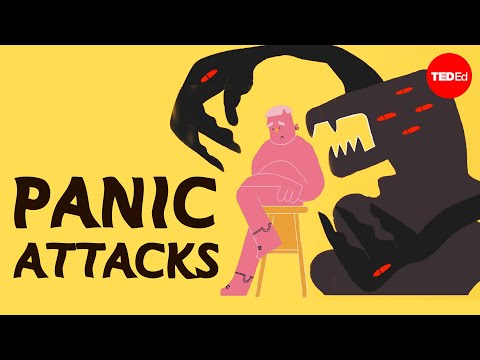
You know those moments when everything seems fine, and then—bam!—your heart starts racing, your palms get sweaty, and you can’t catch your breath? Yeah, that’s a panic attack for you.
It’s like your body’s throwing a wild party, but no one’s invited. Seriously, these things can hit out of nowhere. You could be chilling on the couch or hanging out at the grocery store. Suddenly, it feels like the walls are closing in.
What’s wild is how different they are for each person. One minute you’re feeling great, and the next? You’re spiraling into a whirlwind of anxiety. It can be super overwhelming.
So let’s chat about panic attacks from a more psychological angle. We’ll break down what’s actually goin’ on in your head when these surprise guests show up unannounced. Trust me; you’re not alone in this!
The Best SSRIs for Panic Disorder: A Comprehensive Guide to Effective Treatments
Panic disorder can feel like a whirlwind. You’re just going about your day, and bam! Panic attack hits outta nowhere. It’s seriously unsettling, right? If you’re dealing with this kind of chaos in your mind, SSRIs (Selective Serotonin Reuptake Inhibitors) might help. They’re often used to tackle panic disorder, and there are a few standouts that can change the game for you.
So, what are SSRIs? Basically, they work by boosting serotonin levels in your brain. This is important because serotonin plays a key role in regulating mood and anxiety. Better serotonin flow can mean less panic for many people.
Common SSRIs for Panic Disorder:
- Fluoxetine (Prozac): A classic choice, it’s used for different types of anxiety, including panic attacks. It’s usually taken once daily, which is super convenient.
- Sertaline (Zoloft): Known for its effectiveness in treating panic disorder specifically. People often find it helpful for both anxiety and depression.
- Paroxetine (Paxil): This one can be effective but sometimes has more side effects than the others. Yet, some folks swear by it.
- Citalopram (Celexa): It has a good safety profile and is generally well-tolerated. Could be worth considering if you need something gentle.
- Escitalopram (Lexapro): A newer version of citalopram with similar benefits and potentially fewer side effects.
Now, here’s the thing: when starting any SSRI, it might take some time to feel the full effect—like weeks or even a few months. Be patient! And always talk to your doctor about how you’re feeling during this period.
Why choose SSRIs? Well, they’ve got a solid track record in helping people manage their panic disorder symptoms over time. They tend to be preferable because they aren’t typically addictive like some other meds out there.
You might be thinking about side effects too—this stuff is important! Common ones include nausea or feeling tired at first but these usually fade as your body adjusts to the medication. Seriously though, reach out to your healthcare provider if things feel off after starting.
Also remember: while meds can help reduce those scare-the-daylights-outta-you panic attacks, combining them with therapy often works best. Cognitive-behavioral therapy (CBT) could teach you techniques to cope with those sudden moments of fear.
In summary? SSRIs like fluoxetine or sertraline might be great tools in managing panic disorder. But it’s always best to chat about options with someone who knows you well—like your therapist or doctor—before jumping into treatment plans!
Just keep in mind that everyone’s journey is unique; finding what helps takes time but you’re not alone in this fight!
Understanding the Psychological Disorder Linked to Panic Attacks: Causes and Insights
Panic attacks can feel like the worst rollercoaster ride ever, you know? One moment, you’re calm and collected, and the next, bam! You’re hit with that overwhelming rush of fear. It’s like your body just flip-flops into fight-or-flight mode without any warning.
What causes these panic attacks? Well, they can stem from various factors. Stress plays a huge role. Life changes, job pressures, or personal issues can create a storm inside you without you even realizing it. Imagine someone dealing with a tough breakup; it might not seem connected at first, but all that emotional turmoil can stir up those panic feelings.
Another big player is genetics. If anxiety runs in your family, there’s a higher chance that you might experience panic attacks too. It’s like inheriting a recipe for anxiety—just add stress and voilà!
Biological factors also come into play here. Some people have an imbalance in brain chemicals that regulate mood and anxiety. When these chemicals are out of whack, it can lead to intense feelings of fear and racing heartbeats.
Now let’s talk about cognitive factors. Your thoughts can seriously mess with your emotions. If you tend to think the worst of every situation or overreact to minor issues, this might heighten your experience of panic attacks. Like if you get a slight headache and immediately think it’s something serious—your mind kicks that panic mode into gear.
Interestingly enough, some folks develop a condition called Panic Disorder, where they repeatedly experience panic attacks without clear triggers. Imagine walking down the street one day and suddenly feeling like you’re suffocating or about to faint; that’s tough!
Experiencing a panic attack isn’t just frightening; it can also lead to avoiding situations where future attacks might happen—like skipping out on social gatherings or even everyday activities such as grocery shopping.
And here’s something emotional: picture someone unable to enjoy life because they’re constantly worried about when the next attack will strike. That weight is heavy—it can lead to isolation, frustration, and depression.
If you’re feeling overwhelmed by these experiences, seeking help from a mental health professional could be really beneficial. They may suggest therapies like cognitive-behavioral therapy (CBT) which helps to change those unhelpful thought patterns I mentioned earlier. Plus there are relaxation techniques too! Breathing exercises or mindfulness practices can ground you when feeling anxious.
In summary: Panic attacks are linked to stressors in life, genetics, biological imbalances in the brain, and tricky thought patterns that spiral into overwhelm. The good news is help is out there! You’re not alone in this journey—it’s totally okay to reach out for support when things get tough and confusing.
Panic Attack vs Anxiety Attack: Understanding the Key Differences and Symptoms
So, let’s chat about panic attacks and anxiety attacks. They sound similar, right? But honestly, they’re not. Understanding the differences can be super helpful for you or someone close to you.
First up, what is a **panic attack**? It usually hits you like a freight train outta nowhere. One moment you’re chilling, and the next, your heart is racing, and you feel completely out of control. A **panic attack** can last anywhere from a few minutes to half an hour or so. Some common symptoms include:
- Heart palpitations: Like your heart is trying to escape your chest.
- Sweating: You might feel like you’ve run a marathon.
- Trembling or shaking: Your body feels like it’s in overdrive.
- Shortness of breath: It’s as if there’s not enough air around you.
- Dizziness: You may feel lightheaded or faint.
Now, here’s the kicker: panic attacks can happen even when things seem perfectly fine. They often appear suddenly and without clear warnings.
On the other hand, we have **anxiety attacks**. These are more about a general sense of worry that builds up over time. Think of it as a slow burn instead of an explosive firework show. You might be anxious about work deadlines or personal issues—stuff that’s been stressing you out day after day. Symptoms include:
- Nervousness: You feel fidgety or restless.
- Tension: Your muscles might feel tight or sore.
- Fatigue: You’re worn out from all that worrying!
- Difficulties concentrating: It’s hard to think clearly.
Anxiety builds over time and may trigger feelings of panic occasionally; it’s like you’ve got this ongoing worry monster sitting on your shoulder nagging you.
There was this one time I was with a friend who had never experienced a panic attack before. Out of nowhere, she started feeling dizzy, her heart raced, and she thought she might be having a heart attack! Turns out it was just her first panic attack. If only she had known the signs—she could’ve calmed herself down much faster.
Here’s something interesting: people who experience frequent panic attacks may have **panic disorder**, while those with constant anxiety might deal with generalized anxiety disorder (GAD). Both conditions can overlap at times but have their own unique qualities.
So to summarize: panic attacks hit hard and are often unpredictable; anxiety attacks creep in slowly connected more to daily stressors. Knowing this difference can really help when looking for support or treatment options because let’s face it—understanding your feelings is half the battle!
Panic attacks can hit like a freight train, right out of the blue. You’re just going about your day, maybe chatting with a friend or running errands, and suddenly, bam! Your heart races, your palms get sweaty, and it feels like the walls are closing in. You’ve probably heard stories like this, or maybe you’ve lived it yourself. Let me tell you about my buddy Jack. One minute we were laughing over coffee, the next he was gasping for air like he’d just sprinted a marathon. It was terrifying to watch.
From a psychological perspective, panic attacks often stem from our body’s fight-or-flight response. Basically, when you sense danger—like when you’re stressed or anxious—your brain kicks into high gear, releasing all those stress hormones. The problem is that sometimes this system goes haywire and fires off even when there’s no actual threat around.
And here’s where it gets tricky: people often feel embarrassed or ashamed of their panic attacks because they seem so irrational. I mean, if there’s nothing to be scared of, why is your heart pounding? But that’s the thing; it’s not about what’s actually happening outside; it’s all about that internal chaos brewing inside.
Coping can be tough too. Some folks might avoid places where they’ve experienced attacks before—like Jack who started skipping our usual coffee shop because he couldn’t shake the memory of that day. But avoidance can just make things worse in the long run; it’s kind of like feeding into those fears instead of tackling them head-on.
Therapy can help peel back those layers. Cognitive-behavioral therapy (CBT) is one approach that many people find useful. It helps you understand and reframe those panic thoughts before they spiral completely out of control.
So if you’ve ever felt that crushing weight on your chest without warning—know you’re not alone in this wild ride we call life! Understanding what panic attacks are really about can make it slightly less scary when they do occur… which is definitely something worth thinking about!