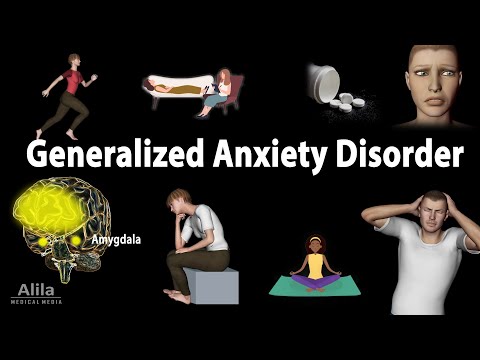
You know that feeling when your mind just won’t chill out? It’s like a hamster on a wheel, running and running. That’s worry for you!
Constant worry can be such a drag, right? And if you’ve ever found yourself in that spiral of anxious thoughts, you’re definitely not alone.
For a lot of folks, this worry doesn’t just pop up and disappear—it’s like an unwanted roommate that moves in and never leaves.
This is a key part of anxiety disorders. It can mess with your day-to-day life in ways you might not even realize. So let’s chat about it!
Understanding the Key Features of Anxiety Disorders: What Makes Them Unique?
Anxiety disorders can be, like, really overwhelming. You know? They revolve around that pesky feeling of constant worry, which is a key feature that makes them stand out from other mental health conditions. So, let’s break it down a bit.
First off, what are anxiety disorders? They’re basically a group of mental health issues characterized by excessive fear or worry. There are several types—like generalized anxiety disorder (GAD), panic disorder, social anxiety disorder, and specific phobias. Each has its own flavor but shares that common thread of heightened anxiety.
Constant worry is super common among these disorders. Imagine lying in bed at night with your mind racing about everything from work deadlines to family problems. It’s like your brain just won’t hit the brakes! This endless cycle of worrying isn’t just a bad habit; it’s seriously distressing and can affect your daily life.
One unique aspect of anxiety disorders is how this worry manifests differently depending on the type you have. For instance, with GAD, people might obsess over everyday things—like finances or health issues—constantly anticipating the worst-case scenario. But for someone with social anxiety disorder, that same persistent worry might focus on embarrassing themselves in social situations.
Another thing to note? Physical symptoms often tag along with all this mental fuss. You might experience things like rapid heartbeat, sweating palms, or even trouble sleeping because you can’t switch off those anxious thoughts. These physical signs can feel really intense and frightening.
Treatment approaches also highlight their uniqueness. Cognitive-behavioral therapy (CBT) is one effective method where you learn skills to manage those worries and shift your thinking patterns. Plus, medications like SSRIs may help reduce the intensity of anxiety so you can better engage in life.
It’s important to recognize that everyone experiences anxiety differently—and that’s completely normal! In fact, my friend Sarah used to get super anxious about public speaking; her heart would race every time she had to give a presentation at work. But after working through some strategies in therapy, she learned how to manage her worries effectively and even got better at speaking in front of crowds!
So yeah, there you have it! Anxiety disorders are complex but understanding their key features—especially constant worry—can help shine a light on what many people go through every day. It’s vital we keep talking about this stuff so folks know they’re not alone in their struggle!
Exploring the Link Between Anxiety and Constant Worry: Causes and Solutions
It’s pretty common to hear people say they’re anxious, right? But anxiety isn’t just a sense of nervousness. It can manifest as this **constant worry** that feels pretty relentless. You know, like that pesky friend who just won’t leave you alone! So, what’s the deal with this link between anxiety and constant worry?
**Anxiety disorders** often come with a hefty side of worry. When you’re anxious, your brain might get into this cycle where it’s constantly scanning for threats or problems. Think of it as being on high alert all the time—like a smoke alarm that’s too sensitive and goes off even when you just burn your toast.
There are a few reasons why this happens:
- Biological factors: Your brain chemistry plays a big role. Certain neurotransmitters—like serotonin and dopamine—might be off-balance, leading to that nagging feeling of worry.
- Environmental triggers: Stressful situations, like work pressures or big life changes, can kick-start anxious thoughts. Ever had a sleepless night just because you were stressing about tomorrow’s meeting? Yep, totally normal!
- Learned behavior: Sometimes, we pick up on worrying from those around us. If your parents were always worried about everything under the sun, there’s a chance you might adopt some of those habits.
One thing worth mentioning is how these worries can spiral out of control. You could start by worrying about forgetting an appointment, then suddenly it turns into wondering if you’re doing enough in life—like seriously spiraling! It might feel completely overwhelming.
Now let’s look at some solutions because it’s not all doom and gloom! There are definitely ways to manage constant worry:
- Cognitive Behavioral Therapy (CBT): This therapy focuses on changing negative thought patterns. A therapist might help you identify those anxious thoughts and challenge them.
- Meditation and mindfulness: Taking even five minutes to breathe deeply or focus on the present can make a huge difference in calming that overactive mind.
- Physical activity: Exercise releases endorphins—those feel-good chemicals—and can be a fantastic way to reduce anxiety levels overall.
It helps to have some coping strategies up your sleeve too! When my friend felt overwhelmed with worries about job interviews, she started writing down her thoughts at night before bed. Just getting them out helped quiet her mind so she could sleep.
Look, managing constant worry isn’t about turning everything off; it’s more like giving yourself tools to handle whatever comes next without losing it completely. Having support from friends or professionals is huge too!
So yeah, getting back in control when anxiety whispers those “what-ifs” is totally doable. You’ve got resources out there—you don’t have to do it alone!
Understanding the Core Symptoms of Anxiety Disorders: A Comprehensive Guide
Anxiety disorders can really mess with your head, you know? One of the biggest signs of these disorders is that feeling of **constant worry**. It’s like having a radio stuck on a station that only plays the same anxious song over and over again. Let’s take a closer look at some core symptoms and what they really mean.
1. Excessive Worry
You might find yourself worrying about things that seem pretty minor to others—like being late to an appointment or what people think of you at a party. This isn’t just normal stress; it can feel overwhelming and it doesn’t go away easily. You could be lying in bed, twisting and turning, your mind racing with all the “what-ifs” instead of drifting off to sleep.
2. Restlessness
If you’re feeling on edge all the time, like you’ve had one too many cups of coffee, that’s restlessness kicking in. You might notice you can’t sit still during meetings or you fidget constantly when in conversation. It’s exhausting to feel like you’re always ready to jump at the next alarm bell.
3. Irritability
When anxiety creeps in, irritability often tags along for the ride. You may snap at friends or family for little things that wouldn’t usually bother you. It’s frustrating—they might not understand why you’re feeling this way! So, it becomes a cycle: anxiety makes you irritable, then your irritability ramps up your anxiety even more.
4. Difficulty Concentrating
Ever feel like your thoughts are running around like kids without supervision? This is common—worry can scatter your focus so badly that even simple tasks become monumental challenges. Maybe you’ll read the same paragraph over and over without retaining any information because those anxious thoughts keep barging in.
5. Physical Symptoms
Anxiety doesn’t just live in your brain; it also shows up in how your body feels! You might experience headaches, stomachaches, or even heart palpitations when anxiety kicks up its heels. And hey, sometimes these symptoms can be really confusing—are they caused by anxiety or something else entirely? That uncertainty only adds more fuel to the fire!
6. Sleep Disturbances
Worrying all day can mess with your sleep big time! You might struggle to fall asleep or wake up frequently throughout the night with racing thoughts chasing after you. And then you wake up tired—it’s a nasty cycle: worry disrupts sleep, and lack of sleep boosts worry.
Embracing these symptoms can be tough but identifying them is crucial for managing them effectively. If any of this sounds familiar, don’t hesitate to reach out for help—you deserve support to regain control over your life!
You know, worry is one of those things that can creep in and take over your mind before you even realize it. For some, it’s just a passing feeling, like when you’re waiting for an important message or stressing about a deadline. But for others, constant worry becomes this cloud that hangs over everything they do. It’s like the brain has its own “worry playlist” that just keeps on repeating.
I remember a friend who used to spend hours ruminating over every little thing. She’d rehearse conversations in her head—what she’d say, how the other person might react, and then she’d spiral down into what-ifs. While the rest of us were out having fun or enjoying life, she felt like she was stuck in this mental hamster wheel. Honestly? It was exhausting to witness.
So, what’s going on with anxiety disorders? Well, worry is basically part of the package deal. It’s not just about having some anxious moments; it can feel like an overwhelming presence that makes even simple decisions feel monumental. You get trapped in this cycle of anticipation and fear. You know that feeling when you’re expecting something bad to happen because… well, it always seems to? That’s anxiety speaking.
In daily life, constant worry can mess with your sleep, relationships, and even your physical health. Your body gets all tense and jumpy because it thinks there’s danger around every corner when really… it might just be your thoughts running amok.
Here’s the tricky part: not all worry is bad! Sometimes it helps us prepare or stay alert to real threats. But when it’s relentless and starts interfering with normal stuff—you know, hanging out with friends or enjoying hobbies? That’s when it tips into the territory of anxiety disorders.
Understanding that constant worry isn’t just “overthinking” but a core feature of anxiety can be empowering in a way. You start seeing it less as a personal flaw and more as a real issue that many people face—noticing patterns can help identify if you need support or even strategies to manage those thoughts better.
It’s all about finding balance—knowing when to acknowledge those worries without letting them take control completely. So if you’re caught up in that cycle yourself or know someone who is? Just remember: you’re definitely not alone in this battle against your mind!