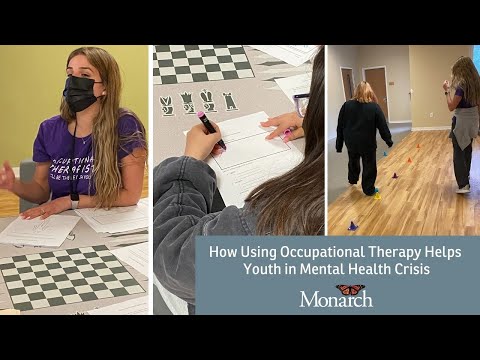
Hey there! So, let’s chat about something super important: mental health skills for occupational therapists. You know, those amazing folks who help people get back to doing what they love?
They’ve got a lot on their plate—helping clients improve their daily lives is no small feat. But here’s the thing: mental health plays a huge role in that process, and sometimes it feels like just keeping up with it can be overwhelming.
It’s like trying to juggle while riding a unicycle—harder than it looks! And that’s why enhancing those mental health skills is key. It makes them not only better therapists but also better support for their clients.
Curious about how all this works? Let’s dive into some practical stuff that can really make a difference!
Enhancing Mental Health Through Effective Occupational Therapy Interventions
Occupational therapy (OT) plays a huge role in enhancing mental health. It’s all about helping you engage in everyday activities that bring meaning and purpose to your life. So, like, if you’re struggling with anxiety or depression, OT can help you find ways to cope and thrive.
One effective approach is using activity engagement. This means incorporating specific activities into your therapy sessions. You might try things like gardening, arts and crafts, or even cooking. These activities can act as outlets for expression and help distract from negative thoughts. Plus, achieving goals in these activities boosts self-esteem, which is super important for your mental well-being.
Another important intervention is mindfulness practices. Many occupational therapists integrate mindfulness into their sessions through techniques like guided imagery or breathing exercises. Imagine sitting quietly for a bit and focusing on your breath. It can feel pretty calming! Mindfulness helps in reducing stress and increases emotional regulation, making it easier to tackle daily challenges.
Social skills training is also key in this whole process. Many folks struggle with connecting with others when they’re feeling down. Occupational therapists can help by creating scenarios for practice—like role-playing conversations or group interactions. Building these skills makes social situations less intimidating, giving you the confidence to engage more with friends and family.
Structured routines are another big focus area in OT interventions. Developing a daily schedule can create stability and predictability, which many people need when they’re dealing with mental health issues. When you have a plan that includes time for work, relaxation, socializing, and self-care, everything feels less overwhelming.
Sometimes occupational therapists will use sensory integration techniques. This is especially useful if you’re feeling distressed or overwhelmed by sensory input from your environment—like loud noises or bright lights. Therapists might introduce calming sensory tools like weighted blankets or fidget toys to help bring you back to center.
Lastly—and maybe most importantly—is the relationship between you and your therapist. Building trust creates a safe space where you feel comfortable sharing struggles without judgment. That rapport allows for more effective interventions because you’re more open to trying new strategies.
So yeah, enhancing mental health through occupational therapy involves layering all these different interventions together—it’s not just one-size-fits-all! Each person’s journey is unique; that’s why occupational therapists tailor their approaches based on individual needs and goals. With the right support, it’s totally possible to improve emotional well-being while gaining practical skills for everyday life.
Comprehensive Guide to Occupational Therapy in Mental Health: PDF Resources and Insights
Occupational therapy (OT) is, like, a super cool field that really helps people with mental health challenges. It’s not just about getting folks back to work but also about helping them engage in daily activities in a meaningful way. So, let’s break down some key insights and resources related to OT in mental health.
What Is Occupational Therapy?
OT focuses on enabling individuals to participate in everyday tasks that are meaningful to them. This can include anything from managing stress to developing social skills. Therapists work collaboratively with clients to create personalized plans based on their needs and goals.
How Does OT Help Mental Health?
Therapists use various techniques and strategies tailored for mental well-being. They might incorporate activities like art, music, or even gardening into therapy sessions. For example, someone dealing with anxiety might find peace through mindfulness exercises integrated into their routine.
Core Areas of Focus
When it comes to mental health, OT often targets several core areas:
- Self-Care Skills: Helping clients manage hygiene routines or cooking meals can have a huge impact.
- Social Interaction: Building communication skills is crucial for those who struggle with social anxiety.
- Coping Strategies: Teaching coping mechanisms so individuals can handle stress more effectively.
Resources for Occupational Therapists
There are tons of **PDF resources** available online that can help deepen your understanding of OT in the context of mental health. These documents often include case studies, assessment tools, and intervention strategies tailored specifically for therapists.
Some important insights from these resources include:
- The Role of Environment: The setting where therapy takes place matters—a calming space can improve outcomes.
- Cultural Competence: Understanding a client’s background helps tailor approaches that resonate better.
- Crisis Intervention Techniques: Training in how to handle emergencies is crucial for ensuring safety during sessions.
The Importance of Continued Education
It’s essential for occupational therapists to engage in ongoing education. This field evolves quickly, and keeping up-to-date helps provide the best care possible. Workshops, webinars, and conferences are great ways to learn new skills and network with other professionals.
Sometimes therapists share stories about how certain approaches change lives. Like this one time I heard about a therapist who used pottery as a way for clients struggling with depression to express their feelings—seriously impactful stuff!
With the right tools and mindset, occupational therapy can significantly enhance mental health skills among practitioners while making a real difference in the lives of those they serve.
Understanding Mental Health Occupational Therapy Salaries: A Comprehensive Guide
I’m all about keeping it real, so let’s talk about mental health occupational therapy salaries without any fluff, okay?
First off, being an occupational therapist (OT) who specializes in mental health is super important. You’re like a bridge helping folks dive back into life’s daily tasks when they’re struggling emotionally or mentally. So you can imagine, the demand for these skills is pretty high.
Now, let’s break down how much you can earn in this field. Salaries for OTs can really vary based on several factors:
- Location: Where you work plays a huge role in your paycheck. Big cities often pay more due to a higher cost of living. For instance, OTs in places like New York or California might see salaries 10-20% higher than those in smaller towns.
- Experience Level: Newer therapists usually start on the lower end of the scale. But as you gain experience and maybe take on specialized roles, your salary can bump up significantly. A seasoned OT could make quite a bit more—often around $70k to $90k annually.
- Work Setting: What kind of job do you have? Working in hospitals or private practices generally offers different pay scales compared to schools or community centers. Hospital jobs might pay better because of the intensity of the work.
- Specialization: Focusing specifically on mental health can lead to more competitive salaries too! The unique skills you bring to the table are increasingly recognized and valued.
Let’s chat numbers for a sec: as of 2023, average salaries for mental health occupational therapists hover around $65k to $90k annually. But here’s where it gets interesting—some top earners can pull in over $100k! That’s pretty sweet if you’re passionate about helping others and love what you do.
Also, remember that benefits matter too! Many employers throw in perks like health insurance, retirement plans, and even continuing education benefits. Seriously, getting support to further your skills while working is like hitting the jackpot.
Now here’s something that often goes unsaid: while salary is totally important for obvious reasons—you need to eat and stuff—it’s also vital to think about job satisfaction and work-life balance. If you’re feeling burned out from high-stress environments or overwhelming workloads, no amount of cash will fix that.
So yeah, if you’re considering this path or are already on it—think about what works best for *you*. It’s not just about the money but also about making a difference in people’s lives while taking care of your own wellbeing too.
Okay, so let’s talk about something super important for occupational therapists—enhancing mental health skills. You might think, “Hey, isn’t that what mental health professionals are for?” Well, yeah, but here’s the thing: occupational therapy isn’t just about helping people with physical issues. It’s also about supporting them emotionally and mentally while they navigate daily life.
Like, I remember when my friend Sam was going through some rough times after losing a job. He was feeling lost and overwhelmed. His OT didn’t just focus on getting him back to work; she took the time to help him cope with his feelings of anxiety and stress too. That’s where those enhanced mental health skills come in handy!
When OTs really understand how mental health plays into a client’s life, they can tailor their approach much better. Maybe it’s using mindfulness techniques during sessions or even incorporating activities that promote emotional well-being. It’s amazing how something as simple as art therapy can open up pathways to talk about feelings.
And here’s another thought: as therapists build their own mental health skills, it helps them not just in their work but in their lives too! I mean, dealing with clients’ challenges can be draining sometimes, you know? So if they’re equipped to manage stress and reflect on their own emotional states, everyone wins.
Anyway, look at it this way: enhancing these skills isn’t just about professional growth; it’s like creating a ripple effect. Clients feel heard and supported which boosts their progress. And who knows? That could even help break down the stigma surrounding mental health care!
So yeah, investing time in improving these skills is totally worth it—both for OTs and the folks they serve!