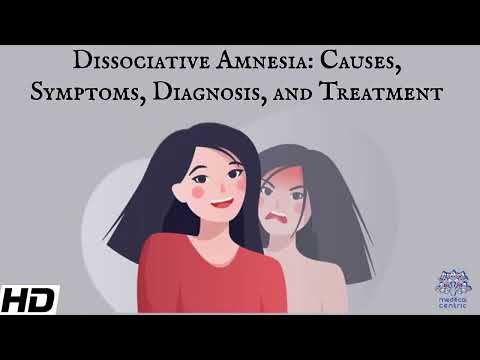
You know that feeling when you walk into a room and totally forget why you went in there? Kind of annoying, right? Well, imagine that, but way more intense.
Continuous dissociative amnesia is like your brain hitting the brakes on your memories—sometimes for a long time. It’s not just about forgetting where you put your keys; it can really mess with your sense of self and how you connect with others.
People dealing with this often feel lost, almost like they’re floating through life without a map. It raises questions about identity and what it means to be “you.”
Let’s unpack this whole thing together. You’ll see just how deep it goes and why understanding it matters so much.
The Long-Term Effects of Dissociation: What Happens When You Check Out Too Long
Dissociation can feel like you’re living in a movie. One moment you’re there, and the next, you seem to float away, leaving your body behind. It’s not just about zoning out for a minute; it can become a long-term struggle if you check out too often. Let’s chat about what that means.
Dissociative amnesia is when you can’t recall important personal information or past events—kind of like when your brain hits the pause button, and the memories get lost. Persistent dissociative amnesia isn’t just an occasional hiccup; it’s more like an ongoing state where your brain protects you from overwhelming thoughts or feelings by blocking them out altogether.
So what happens after this goes on for a while? Well, basically, it can mess with your life in some pretty significant ways:
- Memory issues: If you’re constantly disconnecting from reality, it becomes tough to piece together who you are and what you’ve been through. Think of it like trying to read a book with half the pages missing.
- Identity struggles: You might start feeling fuzzy about who you are. This could lead to confusion around your values, desires, or even how you relate to people.
- Emotional numbness: When you’re used to checking out, emotions can fade away. It’s as if someone turns down the volume on life. You end up feeling disconnected from joy and even sadness.
- Relationship problems: Friends and family may notice that you’re not fully present during conversations or events. This can create distance in relationships because they might feel ignored or unimportant.
- Increased anxiety: The longer dissociation goes on, the more anxious feelings might pop up when you try to engage with deeper emotions or reconnect with memories you’ve lost.
- Difficulty functioning: Everyday tasks like work or school feel daunting when your mind seems far away. You may struggle with concentration or decision-making.
Let me tell ya about Rachel—a friend of mine who dealt with this for years after going through something really traumatic as a kid. She shared how she’d zone out during conversations; it felt safer than talking about her feelings which were super heavy for her at the time. But eventually, those moments turned into days where she couldn’t remember things she should’ve known—like birthdays of close friends! Can you imagine?
It took Rachel a long time before she sought therapy because those emotional walls felt protective at first. With some help from a therapist skilled in trauma recovery, she started unpacking her experiences and learning ways to stay grounded when things got tough.
For folks dealing with continuous dissociative amnesia, therapy is key! A good therapist will help guide individuals towards reconnecting not just with their memories but also their emotions and relationships again.
So if you feel like you’ve been checking out for too long, remember: connecting back doesn’t have to mean diving right into the deep end all at once—baby steps matter here!
Understanding Psychogenic Amnesia: Causes, Symptoms, and Treatment Options
Understanding Psychogenic Amnesia is a complex and fascinating topic. Essentially, psychogenic amnesia is a type of memory loss that happens for psychological reasons rather than physical ones. It’s like your brain decides to hit the reset button when it comes to certain memories, usually tied to distressing events or trauma. Pretty wild, right?
So, what causes this kind of amnesia? Well, it’s often linked to stressful or traumatic experiences. For some folks, it might be a severe accident or the death of a loved one. Picture this: you’re in a car crash that leaves you shaken up emotionally. Later on, you might find you just can’t remember parts of that day—even if there’s nothing physically wrong with your brain.
Now let’s talk about the symptoms. When someone has psychogenic amnesia, they may experience:
- A sudden inability to recall important personal information.
- Confusion about their identity or past.
- Memory loss that isn’t explained by other conditions.
It can feel super frustrating and scary not knowing why you can’t remember things that seem like they were just there yesterday.
There’s also something called Continuous Dissociative Amnesia, which is basically when these memory gaps keep happening over time—like your brain keeps pulling the plug on those memories during high-stress moments. Imagine facing things in life and feeling like parts of your story are just hidden away from you! This ongoing disconnection can lead to challenges in relationships and daily life.
When it comes to treating psychogenic amnesia, no one-size-fits-all solution exists. Therapy is often key here. Techniques such as cognitive-behavioral therapy (CBT) can help process those buried feelings and traumas. Sometimes, therapists use hypnotherapy, too, which may unlock lost memories by putting you in a relaxed state—almost like chatting with your subconscious.
Another thing worth mentioning? Medications are generally not prescribed specifically for psychogenic amnesia itself but might be used to treat underlying issues like anxiety or depression if they pop up alongside this condition.
But remember: recovery takes time and patience. It’s not unusual for people dealing with this type of memory loss to also face struggles with self-identity or emotional well-being—as if being lost within yourself adds another layer of complication.
In summary, psychogenic amnesia involves complicated interactions between stress and memory—your mind trying its best to protect itself by slipping away from painful memories. The journey through treatment is personal for everyone involved; through therapy and support systems, many individuals start piecing together their stories again!
Understanding Dissociation: Signs, Symptoms, and What It Looks Like in Everyday Life
Dissociation is, like, one of those things that’s not super easy to understand at first. Basically, it’s when your mind kinda steps away from reality. Imagine you’re watching a movie of your life but can’t really feel the emotions or understand what’s going on. This can be more intense for some folks than others.
For many, dissociation happens as a response to trauma or stress. That’s where Continuous Dissociative Amnesia comes into play. It’s like your brain is hitting “pause” on certain memories, especially the ones that are too painful or stressful to deal with. So you might forget important things about yourself or your past experiences.
You know how sometimes when you’re really stressed, you might zone out during a conversation? Well, dissociation can be like that but way more pronounced and frequent. Here are a few signs and symptoms to look out for:
- Memory Loss: This isn’t just forgetting where you left your keys; it’s losing chunks of time in your life.
- Feeling Detached: You might feel disconnected from your body or thoughts. Some describe it as watching themselves from outside.
- Derealization: The world around you may feel strange or unreal, almost like everything’s in black and white.
- Emotional Numbness: You might struggle to feel emotions or experience moments as if they don’t matter.
Imagine being at a birthday party and feeling totally spaced out while everyone else is laughing and having fun—it’s lonely, right? For someone experiencing dissociation, this feeling can happen frequently.
Now let’s picture what it looks like in everyday life. Say you’re at work, and suddenly everything feels distant. Your coworkers’ voices fade away, and it feels like you’re in a bubble. You can nod along but can’t quite grasp what’s being said.
Or think of driving on autopilot—you’re physically there but mentally somewhere else entirely. It’s pretty unsettling because it affects daily tasks and interactions with people close to you.
Another thing worth noting is how this impacts relationships. When you consistently find yourself dissociated during conversations with loved ones, it can create rifts because they might feel ignored or unimportant—and that hurts!
It’s crucial to recognize these patterns if they pop up for you or someone close to you because dealing with continuous dissociative amnesia often calls for professional help. Therapy can be an effective route here; therapists work with individuals to slowly reconnect those lost memories in a safe space.
Dealing with any mental health issue takes time, patience, and understanding—so if you’re supporting someone through this journey—or even if it’s yourself—remember that healing isn’t linear.
So that’s the gist! Dissociation may seem weird at first glance but understanding the signs and symptoms makes navigating life just a tiny bit easier for everyone involved.
Dissociative amnesia can be a pretty confusing experience, not just for the person going through it but also for those around them. Imagine waking up one day and realizing you can’t remember chunks of your life. Like, big sections just gone, and you’re not really sure why. That’s what happens with continuous dissociative amnesia.
So, picture this: Sarah had a tough childhood, full of trauma that she never quite processed. As a way to cope, her mind kind of… switched off certain memories to protect her from the pain. At first, it seemed like a good solution—like putting on blinders to avoid the scary stuff. But as she grew up, those blinders didn’t help anymore; they turned into walls.
Now, Sarah’s in her twenties and finds herself struggling in relationships. Friends notice she seems distant sometimes. They might joke about her being forgetful—like forgetting birthdays or even crucial conversations—but it hurts deeper than that. She’s trapped in this fog where names or events just don’t stick.
The psychological effects are no joke either. It often spirals into feelings of depression or anxiety because you’re missing pieces of your identity. You feel lost and confused—like a puzzle with an important piece missing when you look in the mirror each morning. There’s that nagging question: «Who am I without my memories?» It’s heavy.
And it doesn’t stop there; there’s this added layer of isolation when you can’t connect with others because parts of your life are shrouded in mystery—even from yourself! It’s a psychological rollercoaster, swinging between wanting connection and being terrified of what might come out if you dig too deep.
You know, therapy can be helpful here, although finding the right approach is key since everyone’s different. For some people like Sarah, connecting with their trauma might mean unpeeling layers that are painful but ultimately freeing.
Continuous dissociative amnesia isn’t just about forgetting; it’s about how those forgotten parts shape who you are today—and how remembering can sometimes feel like reopening old wounds but could also lead to healing over time. It’s all connected—a journey through darkness toward understanding and maybe even acceptance one day.