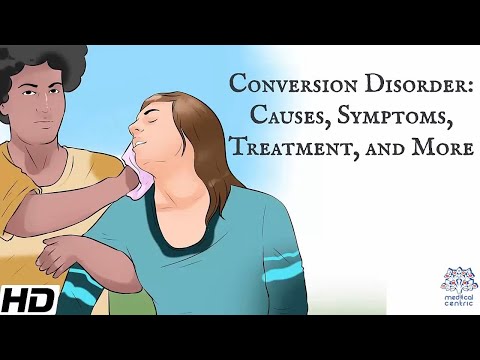
So, let’s talk about something that might sound a bit weird but is super real: conversion disorder. You ever heard of it? It’s one of those things that can totally mess with your body and mind, all at the same time.
Imagine waking up one day and suddenly not being able to move your arm. Or feeling like you can’t breathe, even though nothing physically seems wrong. Kinda wild, right? That’s what conversion disorder can do.
It’s not just a trick your brain plays; it’s an actual condition. The catch? It’s often tied to stress or trauma. So, if you thought mental health was only about feeling sad or anxious—think again!
This can be really confusing for the people experiencing it and for their loved ones too. Let’s break it down together and see what’s really going on with conversion disorder. Sound good?
Effective Treatment Options for Conversion Disorder: A Comprehensive Guide
Conversion disorder can be a confusing and frustrating experience. It’s when you have physical symptoms—like weakness or paralysis—that can’t be explained by medical conditions. You’re like, «Why is this happening to me?» and that’s totally understandable. But there are ways to tackle it, and we’ll go through some effective treatment options.
Therapy is Key
One of the most effective ways to manage conversion disorder is through therapy. Specifically, **cognitive behavioral therapy (CBT)** is pretty popular here. It helps you identify and change negative thought patterns that might be contributing to your symptoms. Imagine sitting in a comfy chair, talking about what’s going on in your head, and feeling a sense of relief as you work through those heavy feelings.
Physical Therapy
Okay, this one might seem obvious, but physical therapy can really help! Even if you’re experiencing paralysis or weakness, working with a skilled therapist can help regain movement or improve functioning. You know how it feels when you haven’t exercised in ages? Getting back into it helps restore strength and confidence.
Medication
Sometimes medication comes into play too, especially if there’s anxiety or depression involved. Antidepressants can be useful in some cases; they help lift that cloud of gloom hanging above your head. But remember, it’s not always just about pills! They won’t fix the underlying issues; they’re more like support for the journey.
Mindfulness Techniques
Have you heard of mindfulness? It’s all about being present and aware of your thoughts without judgment. Practices like meditation can reduce stress levels and might lessen conversion symptoms over time. Picture sitting quietly for a few minutes every day—just focusing on your breath—pretty soothing, right?
Support Groups
Connecting with others who understand what you’re going through can be incredibly powerful. Support groups provide a space to share experiences and insights, making you feel less isolated in this battle. You’ll realize you’re not alone; others are in the same boat as you.
Psychoeducation
Learning more about conversion disorder helps demystify it! Understanding what triggers it or how stress impacts your body empowers you to manage symptoms better. Knowledge is seriously power here; it gives hope for recovery.
So yeah, treatment isn’t one-size-fits-all—you might find some combinations work better for you than others. The important part is that there are options out there. Remember to talk openly with healthcare professionals so they can guide you toward the most effective strategies tailored just for you!
Understanding Conversion Disorder: Key Insights and Visual Aids in Presentation Format
Let’s talk about Conversion Disorder, shall we? This is a pretty fascinating yet complex condition that can really impact someone’s life. Basically, Conversion Disorder—also known as Functional Neurological Symptom Disorder—is when a person experiences physical symptoms that seem real but don’t have a clear medical cause. You know how sometimes stress can make your stomach churn? Well, in Conversion Disorder, the brain is somehow translating emotional stress into physical issues.
The symptoms can vary a lot. Some examples include:
- Weakness or paralysis: You might suddenly find it hard to move an arm or leg, even though there’s no reason for it.
- Abnormal gait: That means you might walk in a way that seems strange or unnatural.
- Sensory issues: Things like numbness or tingling can happen, as if your nerves are on a weird vacation.
- Seizures: Not the typical kind; these are more like episodes where you lose control without any physiological basis.
Think of Anna, who was going through a tough time at work and home. She started losing feeling in her legs one day. Doctors ran tests but found nothing wrong physically. It turned out her body was manifesting all that bottled-up stress as numbness. That’s Conversion Disorder in action!
A common misconception is that people with this disorder are just “faking it.” Seriously, that’s not true! The symptoms are real to the person experiencing them, even if they don’t check out on traditional medical tests. It’s as if their brain is trying to signal distress through physical sensations.
Treatment often combines different approaches:
- Cognitive Behavioral Therapy (CBT): This helps people change unhelpful thought patterns and behaviors linked to their symptoms.
- Physical therapy: Can be useful for regaining movement and function; think of it like retraining the body to respond normally again.
- Medication: Some doctors may prescribe medications if there are accompanying mental health issues like anxiety or depression.
The journey through Conversion Disorder can be rough because it often coexists with other mental health challenges. Support from healthcare professionals and loved ones makes such a big difference! It’s about understanding what’s happening inside both emotionally and physically.
So next time you hear about Conversion Disorder, remember: it’s not just “in someone’s head.” It truly reflects the mind-body connection at play. Understanding these nuances is super important for empathy and support!
Understanding Conversion Disorder: Insights from the DSM-5
Conversion Disorder, also known as Functional Neurological Symptom Disorder, is one of those mental health conditions that can be pretty confusing, not just for those experiencing it but for friends and family too. Imagine waking up one day and suddenly being unable to walk or having a seizure without any clear medical explanation. Sounds unsettling, right?
So basically, conversion disorder involves neurological symptoms that can’t be explained by medical conditions or other psychological disorders. The symptoms are real, though! They can include things like paralysis, weakness, abnormal movements, or even sensory problems like numbness or loss of vision. A key point right here: these aren’t just in someone’s head. They genuinely experience these symptoms.
According to the DSM-5 (that’s the Diagnostic and Statistical Manual of Mental Disorders), there are a few criteria that need to be met for a diagnosis:
- The presence of one or more symptoms affecting voluntary motor or sensory functions.
- These symptoms cannot be fully explained by medical conditions.
- The symptoms cause significant distress or impairment in social, occupational, or other areas of functioning.
- The symptoms are not better explained by another psychological disorder.
What’s really interesting is how this disorder ties into stress. Often, people might experience a stressful event before their symptoms show up. Like I remember this guy who had a serious car accident – after that day, he couldn’t move his leg properly even though doctors found nothing physically wrong with him. That whole mind-body connection is something to really think about.
Treatment options often involve physical therapy and psychological support. Therapy approaches can include cognitive behavioral therapy (CBT), which helps address thought patterns contributing to the condition. Sometimes it helps if you have a safe space to express what you’re feeling emotionally.
But here’s the tricky part: since the symptoms can look so similar to actual physical problems, it sometimes takes time for people to get the right diagnosis and treatment. Many might feel frustrated when they’re told their pain isn’t “real”—because trust me; it feels real enough.
In the end, understanding conversion disorder means recognizing that it’s about more than just physical issues—it’s an interplay of your mind and body reacting to stressors in ways we’re still trying to fully understand. There’s still so much we’re learning about how emotions play into our physical health; it makes you wonder how many other conditions could have similar roots! And if you know someone dealing with this kind of challenge? Just being patient and supportive can make a world of difference for them on their journey toward healing.
Conversion Disorder, wow, it’s one of those complex topics, isn’t it? It’s like when your brain goes through some really intense stress or emotional turmoil, and your body reacts in ways that seem totally out of the blue. You might hear about someone developing a sudden inability to walk or losing their vision after experiencing something traumatic. It’s wild how the mind and body are so connected.
So, let me tell you about my buddy Tom. He was a totally laid-back guy, but he held onto some heavy stuff from childhood—like issues with his family that he never really dealt with. One day at work, he just collapsed and couldn’t use his legs for weeks. Doctors ran all kinds of tests. Nothing was physically wrong; they eventually diagnosed him with Conversion Disorder. You could see the panic in his eyes when the doctor explained it wasn’t “just in his head” but rather a real condition caused by stress and anxiety.
The hard part is that people often don’t get what’s going on here. They might think it’s just faking or being dramatic, which is so unfair! Conversion Disorder can feel like this weird grey area where psychological pain transforms into physical symptoms—it doesn’t mean it’s less real or intense.
And let’s talk treatment for a sec. Often it involves therapy to help process those underlying emotions because hey, ignoring them won’t make them disappear. Just like Tom had to learn to cope with his past instead of shoving it away, therapy can help people bring those feelings into light and deal with them.
So yeah, if you ever hear someone talking about Conversion Disorder—or experience symptoms yourself—remember: It’s not just physical; it’s deeply intertwined with mental health stuff too. It’s about healing from both sides—the mind and the body together—because they’re more connected than we often realize!