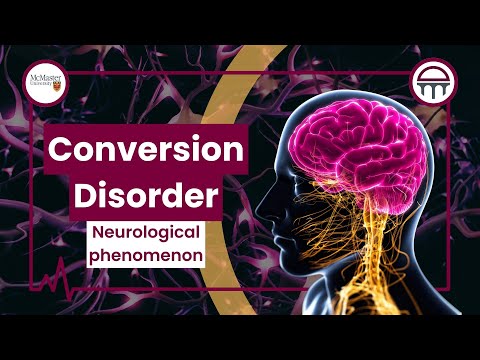
You know those moments when your body just doesn’t seem to cooperate? Like, you’re feeling fine, but suddenly you can’t move your arm or your leg? It’s wild, right? That’s what conversion disorder is all about.
It’s not just about acting like a drama queen (not at all). There’s real stuff going on behind the scenes—like emotional pain or stress manifesting physically. Crazy, huh?
So let’s dive in. We’ll chat about what conversion disorder really means, how it pops up in the DSM-5 (yep, that big book of mental health), and why it’s important to understand this whole thing better. Trust me; it’s more common than you think!
Understanding Conversion Disorder: Insights from the DSM-5 Guide
Conversion disorder, which is now more formally known as Functional Neurological Disorder (FND), can be quite puzzling. It’s when a person experiences neurological symptoms that just don’t seem to have a clear medical explanation. Think of someone suddenly losing the ability to move their leg or feeling numbness in an arm without any physical injury. You know, it’s not like they’re faking it—these symptoms are very real to them.
According to the DSM-5, which is the manual used by mental health professionals to diagnose mental disorders, conversion disorder falls under the category of somatic symptom and related disorders. This means that psychological factors are involved in causing the physical symptoms. The symptoms can include things like weakness, paralysis, tremors, or even seizures. Crazy, right?
So how do they diagnose this? The DSM-5 outlines a couple of things that need to be checked off:
- You’ve got these neurological symptoms that can’t be explained by a medical condition.
- The symptoms cause significant distress or impairment in social, occupational, or other critical areas of functioning.
- The onset is usually linked to stressful situations or trauma—like losing a loved one or experiencing a major life change.
Let me tell you about Anna—a friend of mine who went through something similar. She was always anxious about her job and one day, bam! Her arm went completely numb during an important meeting. Doctors couldn’t figure out what was wrong, but we all knew she had been under immense stress. It turned out her body was reacting in this unexpected way because her mind was overwhelmed.
It’s essential for healthcare providers to look into any medical issues first before diagnosing conversion disorder. They often perform various tests and exams just to rule out other conditions. Sometimes people get misdiagnosed too; it can take time for doctors to connect those dots.
Treatment usually revolves around therapy rather than medication. A common approach includes cognitive-behavioral therapy (CBT), where patients learn to manage their thoughts and feelings regarding their symptoms and life stressors more effectively.
You see, conversion disorder highlights how intertwined our minds and bodies are—when you’re stressed or anxious, your body might express those feelings physically. That’s why understanding this condition is so crucial! If you ever find yourself struggling with weird physical symptoms during stressful times, talking it out with someone could really help shed light on what’s going on inside your head and body.
Understanding Conversion Disorder: Symptoms, Causes, and Treatment Options in Mental Health
Conversion Disorder, also known as Functional Neurological Disorder, is a condition where you experience neurological symptoms that don’t seem to have a clear medical cause. Basically, your brain and nervous system get a little mixed up, leading to real symptoms like weakness, paralysis, or even seizures. It’s confusing because you can look fine on the outside while feeling completely different inside.
So what are the symptoms? Well, they can vary quite a bit from person to person. Here are some common ones:
- Weakness or paralysis in an arm or leg.
- Tremors or shaking that aren’t caused by tremor disorders.
- Difficulty walking or problems with coordination.
- Loss of sensation in certain body parts.
- Seizures that don’t match typical seizure patterns.
You might be wondering how this happens. The causes of Conversion Disorder aren’t totally clear, but there are often underlying psychological factors involved. Stress or trauma can trigger these symptoms. For instance, let’s say someone experiences a serious car accident and later develops trouble moving one of their legs without any medical explanation. It doesn’t mean they’re faking it; it’s just how their brain is responding to stress.
Sometimes people may unknowingly suppress emotions until they manifest physically. Think about it like shaking up a soda bottle—the pressure builds up until it explodes when you open it. That’s kind of what happens here.
Now onto Treatment Options. There’s no one-size-fits-all approach, but therapy plays a significant role in recovery:
- Cognitive Behavioral Therapy (CBT): This helps you understand and change your thoughts and behaviors around the symptoms.
- Physical Therapy: If you’re dealing with motor symptoms, physical therapists can help regain strength and movement again.
- Psychotherapy: Talking about past traumas or stress can help decompress emotional pressures linked to the disorder.
Medications might also come into play depending on other related conditions like anxiety or depression but they aren’t specifically for Conversion Disorder itself.
It’s so important to know that you’re not alone in this struggle. Recovery takes time—you can’t just flip a switch and be done with it overnight. You’ll want support from loved ones and professionals who get what you’re going through.
At the end of the day, Conversion Disorder is real—your feelings and experiences are valid, even if they’re hard for others to see. You deserve understanding and care as you navigate this complex condition!
Understanding Conversion Disorder: Is It Still Recognized as a Valid Diagnosis?
Conversion Disorder, also known as Functional Neurological Disorder, is one of those mental health conditions that can seem pretty confusing. It’s when someone experiences physical symptoms that can’t be explained by any medical condition. Basically, your body’s acting like there’s an issue, but doctors can’t find anything wrong with the “hardware,” if you will. So, is Conversion Disorder still recognized as a valid diagnosis? Totally!
In fact, it made its way into the DSM-5, which is the manual used by mental health professionals to diagnose psychological disorders. This isn’t some outdated notion; it’s grounded in research and clinical practice. Here are some important points that show it’s still taken seriously:
- Symptoms: People might experience things like paralysis, tremors, or even seizures without a clear medical cause.
- Psychological Factors: Often, these symptoms are linked to stress or trauma. You might suddenly lose your ability to walk after a major life event. It feels real because it is real—just not in the usual medical sense.
- Diagnosis: Diagnosing Conversion Disorder involves ruling out other neurological or medical conditions first. Doctors need to ensure there’s no underlying issue going on.
- Treatment Options: Therapy plays a big role here. Sometimes physical therapy and counseling help, focusing on both body and mind together.
- Anecdotal Evidence: Many people report feeling their symptoms diminish after working through emotional issues with a therapist. It shows how intertwined our mind and body really are!
You know how sometimes you feel so stressed you get a headache? Well, imagine that taken to another level where your body starts acting out physically—like an extreme form of stress manifesting itself as real pain or dysfunction.
Still today, there are misconceptions around Conversion Disorder. Some folks think it’s “all in your head” or it lacks credibility because they can’t see clear-cut evidence like an X-ray would show broken bones. But this kind of thinking misses the point! The brain and body have this crazy connection that we’re just starting to really understand.
So yeah, if you or someone you know is dealing with this situation, know that it’s valid! It deserves attention just as much as any physical ailment would. And getting help isn’t just about fixing symptoms; it’s about understanding what triggers them and how to deal with those feelings more effectively.
In summary, Conversion Disorder remains an important and valid diagnosis within mental health circles today—even if figuring it all out can feel a bit like piecing together a puzzle at times!
Conversion Disorder, like, well, it’s one of those conditions that can really throw you for a loop. Imagine waking up one day and not being able to move your arm or leg. It feels real—your body’s just not responding the way it should. But here’s the thing: there’s often no medical reason for it. It’s part of what goes on in your head influencing your body, which is why it shows up in the DSM-5.
So, let’s break it down a bit. The DSM-5 categorizes Conversion Disorder under somatic symptom and related disorders. What this means is that there’s this incredible interplay between our emotions and physical health. Often, people with Conversion Disorder experience symptoms—like paralysis or loss of sensation—that can be traced back to stress or trauma. It’s like your brain is saying “Whoa! This is too much,” and trying to protect you by shutting down physical functions.
I remember a friend who went through something similar. She’d been dealing with intense anxiety due to her job stress and suddenly couldn’t move her leg properly one morning. There were no injuries or anything wrong physically; it was all in her head manifesting in her body. At first, she and everyone around her thought something serious was happening, but after some therapy sessions, they discovered it was more about the emotional struggle she was facing.
That’s where understanding comes into play— both for individuals and mental health professionals. Recognizing that these physical symptoms are often tied to deep emotional struggles can help guide treatment in a more compassionate direction. Therapy can focus on addressing those underlying issues instead of just the symptoms.
And it’s crucial to remember that people living with Conversion Disorder aren’t faking or imagining their problems; their experiences are very real! It’s like their brain is on overdrive, misfiring signals between thoughts and feelings while causing genuine distress.
So you see, when we talk about Conversion Disorder in the context of the DSM-5, we’re really looking at a complex tapestry of emotional health woven into our physical experiences. Compassionate treatment approaches are key! They support both understanding what someone might be feeling emotionally while helping them negotiate their symptoms physically without judgment or stigma.
That balance? It’s essential for helping folks regain control over both their minds and bodies again—because everybody deserves a shot at healing!