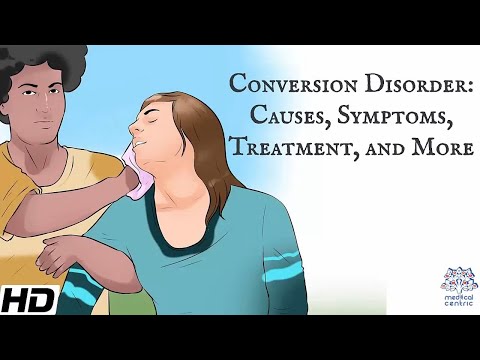
You know how sometimes your body just doesn’t wanna cooperate? Like, one minute you’re fine, and the next—bam! Your leg feels like spaghetti or you can’t see right. It’s super weird, right?
That’s what we call conversion disorder. Seriously, it sounds intense, but it’s more common than you think. The thing is, while your body might be acting up, there’s often no physical reason for it.
So why does this happen? What does the DSM-5 say about it? Let’s break it down together, and I’ll explain the criteria in a way that won’t make your head spin. Trust me; it’ll be easy to grasp!
Understanding Conversion Disorder: A Simple Guide to Its Causes and Symptoms
Understanding Conversion Disorder can be a bit tricky. It’s a condition where you experience physical symptoms that can’t be explained by medical issues. Imagine waking up one day, feeling completely fine, and then suddenly finding it hard to move your arm or leg. That’s what happens to people with this disorder.
So, what causes conversion disorder? Well, it often stems from emotional distress or trauma. You know how sometimes you might feel so overwhelmed that your body reacts in strange ways? That’s basically what’s going on here. It’s like your brain is expressing emotional pain through physical symptoms instead of words.
Some key points about conversion disorder include:
Thinking about the DSM-5 criteria, which is basically the handbook for mental health disorders, conversion disorder is diagnosed when:
You might be thinking: “Okay, but how does this look in real life?” Imagine Sarah—a young woman who recently lost her job. One day, she wakes up and realizes she can’t walk properly. She visits several doctors but they all say nothing’s physically wrong with her legs. After some therapy focusing on her emotions and stressors, her walking gradually improves.
The thing is, treatment for conversion disorder usually involves psychotherapy—talking things out and addressing those underlying stresses that could be causing the symptoms. Sometimes physical therapy helps too! Working through emotions can really assist in restoring normal functioning.
In short, conversion disorder isn’t just “in your head.” It’s a complex interplay between mind and body that requires understanding and care. If you ever encounter someone dealing with it—or if you’re struggling yourself—remember it’s real and deserves compassion!
Understanding Conversion Disorder: Key Steps in the Diagnosis Process
Conversion disorder, also known as Functional Neurological Disorder, can seem pretty confusing at first glance. Basically, it’s a condition where a person experiences neurological symptoms that can’t be explained by medical conditions or injuries. Instead, these symptoms are tied to psychological factors. So, how does someone get diagnosed with this? Let’s break it down.
First off, the symptoms themselves are key to the process. These can include issues like paralysis, tremors, or even seizures that look real but have no medical basis. Imagine someone suddenly not being able to use their arm after experiencing a stressful event. That’s a classic example here.
Next up is the health history you share with your doctor. They’ll want to know about any past traumas, stressors, or emotional conflicts you’ve faced. It’s like putting together pieces of a puzzle! You gotta show how your mind and body might be connecting in ways that aren’t obvious at first.
Now onto the actual diagnosis process—this is where things get slightly technical but hang in there! The **DSM-5**, which is basically the go-to manual for diagnosing mental health conditions, plays a big role here. There are specific criteria doctors look for:
- One or more symptoms: These must affect voluntary motor or sensory functions.
- Incompatibility: The symptoms shouldn’t align with recognized neurological or medical conditions.
- Psychological Factors: There should be evidence that these issues arose after emotional stressors or conflicts.
- No other medical explanation: Other potential causes need to be ruled out by tests and evaluations.
It’s important to note that conversely diagnosing conversion disorder isn’t about rushing into conclusions; it’s more about careful consideration over time!
Let’s say you went through something really hard—a breakup or job loss—and then suddenly started experiencing numbness in your legs. Your doctor would explore whether those feelings could link back to what you’ve been through emotionally.
Sometimes this can feel frustrating since you’d probably want an easy answer—like finding out it was all just a pinched nerve! But patience is key here. A proper diagnosis might involve referring you to specialists like neurologists or psychologists who can help untangle all these signs and signals.
Lastly, if you’re diagnosed with conversion disorder, it’s not about “just” treating it like other physical illnesses; often therapy comes into play too! You might find benefits from cognitive behavioral therapy (CBT), which helps in understanding the relationship between your thoughts and physical sensations.
So remember: it’s perfectly normal for things not to fit neatly together when it comes to mental health and your body. It takes time and collaboration between you and healthcare professionals to really understand what’s going on within yourself. Having support from loved ones during this process can make all the difference too!
Understanding the DSM Criteria for Factitious Disorder: A Comprehensive Guide
Alright, so let’s chat about **Factitious Disorder**, which is kind of a big deal in the mental health world. Basically, it’s when someone pretends to be sick or actually causes injury to themselves because they want to play the role of a patient. It’s not just about getting attention; it runs way deeper than that.
DSM-5 Criteria outlines specific guidelines for diagnosing this condition. Here’s what you need to know:
- Falsification of Symptoms: This is the core of the disorder. The person will deliberately fake symptoms or even cause harm to themselves or others.
- Deception is Obvious: The person knows that they’re creating these symptoms deliberately. So, they might act like they’re in extreme pain but are completely fine when no one is looking.
- Presenting Symptoms for Attention: The goal isn’t just to get sympathy or attention; instead, it’s about wanting to assume a sick role. They might tell elaborate stories about their “condition” that just don’t add up.
- No External Incentives: A huge part of this diagnosis is that the person isn’t doing this for obvious benefits like avoiding work or getting drugs. It’s more tied to their psychological needs.
- The Symptoms Are Not Better Explained: The symptoms can’t be better explained by another mental health disorder. So if someone has anxiety and fakes illness out of anxiety, that’s a different story.
So, what does this look like in real life? Picture someone who constantly shows up at hospitals with bizarre symptoms—maybe they insist they have cancer but refuse tests that would confirm it. It can be super frustrating for medical professionals because they can’t just treat what they can’t see.
You know, one important thing to remember is that people with Factitious Disorder are often not trying to deceive others in a malicious way—they’re struggling with their own issues and their need for care and attention manifests in these unhealthy ways.
Treatment isn’t straightforward either. It typically involves therapy aimed at uncovering underlying issues, like trauma or an intense need for validation. This might take time since trust can be an issue here.
In short, it’s crucial if you suspect someone might fit this description—they really need compassion and understanding rather than judgment, even if their actions can be confusing or frustrating for those around them. You follow me? It’s all about looking deeper into the reasons why someone would go through all this trouble in the first place!
You know, when we talk about conversion disorder, it can seem a bit confusing at first. I mean, it’s one of those things that just feels heavy when you hear the term. But really, it’s about how our brain and body can react in ways that might not make sense at all at times.
So, picture this: You’re having a tough day, and suddenly your arm goes numb or your legs give out on you. There’s no physical reason for it—like an injury or something medical. That’s basically what conversion disorder is all about. It’s like your brain is trying to communicate something through your body but not in the way we often expect.
In the DSM-5, which is like this big book of mental health criteria that professionals use, there are specific guidelines that help clinicians figure out if someone is experiencing conversion disorder. Here’s the gist of it: First off, you need to have some kind of symptom or deficit in voluntary motor or sensory function—that’s like trouble moving or feeling parts of your body. Then there has to be evidence that this symptom isn’t just a result of another medical condition.
Like, let me tell you about my friend Jenna. She was under a mountain of stress with work and family issues when she suddenly lost her ability to speak for several weeks. It wasn’t like she was trying to get attention; she just couldn’t talk! When she finally saw someone who understood her situation better, they helped her recognize that her mind was overwhelmed and created this response as a way to cope with everything going on.
So anyway, along with those physical symptoms that don’t match up with any known medical issues, there’s also this requirement that the symptom really disrupts daily life—like affecting relationships or work. And lastly—this one is key—the symptoms aren’t intentionally produced or feigned; it’s real even if there’s no visible cause.
It’s definitely wild how our minds work sometimes! Conversion disorder reminds us how important it is to pay attention not just to what’s happening physically but emotionally too. Sometimes our feelings manifest in strange ways! So if you’re ever feeling lost in your own body—or if someone you know seems off—it could be worth digging deeper into what’s going on inside their head too. You never know what story might be hiding behind those symptoms!