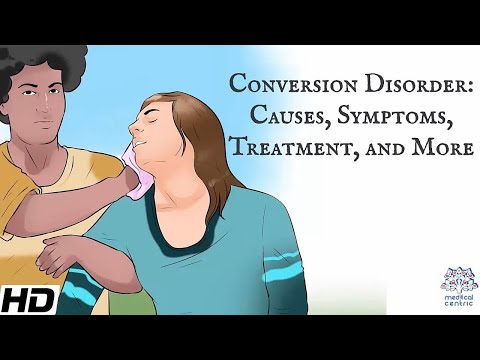
So, let’s chat about something pretty wild: Conversion Disorder. Ever heard of it? It’s when a person suddenly experiences physical symptoms that don’t seem to have a medical cause. Like, one minute you’re fine, and the next, bam! Your body just decides to act up.
But here’s the kicker—what’s going on in your head plays a massive role in all this. It’s not just about the body; it’s also about emotions, stress, and all those hidden feelings we sometimes don’t even know we have.
You might be thinking, “Wait, how does that even work?” Well, it turns out our brains can be tricky little guys. They can turn psychological stress into real-life symptoms. Crazy, right?
So let’s unravel this together and dig into those psychological factors that shape Conversion Disorder. You might find it’s more relatable than you think!
Understanding the Underlying Causes of Conversion Disorder: Insights into Mental Health
Conversion disorder can be a pretty confusing topic, right? It’s one of those mental health conditions that can make you go, “Wait, what just happened?” So, let’s break down what it really is and the psychological factors that might be behind it.
What is Conversion Disorder?
Basically, conversion disorder is when someone experiences physical symptoms that seem real but are rooted in psychological issues. You know, like paralysis or loss of sensation without any clear medical cause. It’s not like you’re faking it. Your brain’s just reacting in a really intense way to stress or trauma.
The Role of Stress and Trauma
One major factor that contributes to conversion disorder is stress. For instance, you might have gone through something tough, like the death of a loved one or severe anxiety about a big life change. Imagine a friend who suddenly can’t use their leg after going through a messy breakup. It sounds bizarre but, sometimes, your mind just can’t handle the emotional load—so it turns into physical symptoms instead.
Psycho-Social Factors
Another layer to this is psycho-social factors. These are social and environmental influences that can mess with your mind. If someone grows up in an environment where expressing feelings is seen as weak, they might deal with emotions by developing these physical symptoms. Like if you were taught to always «suck it up» during tough times, you could end up suppressing emotions until they burst out as body problems.
Coping Mechanism
Think of conversion disorder as your brain’s way of coping with distress. Instead of confronting emotional pain head-on—which can be pretty scary—it’s like your brain says: “Okay! Let’s do this instead.” Your body starts reacting because it doesn’t have a healthy way to express what’s going on inside.
Sometimes conversion disorder comes hand-in-hand with other mental health issues like anxiety or depression. If you’re already dealing with those things, that extra stress can lead to physical symptoms manifesting in unexpected ways.
Often people with conversion disorder don’t even realize what they’re experiencing has psychological roots. So when they feel something’s off physically but can’t find anything wrong medically? That lack of insight makes things even trickier for them—and for their doctors too!
In short, understanding the underlying causes of conversion disorder gives us some important insights into mental health overall. The links between emotional struggles and physical manifestations show how complex our minds really are. The next time you hear about someone experiencing unexplained symptoms, remember there’s often a whole world beneath the surface—filled with unprocessed feelings and reactions. It’s wild how interconnected everything is!
Understanding the Psychoanalytic Theory of Conversion Disorder: Insights and Implications
So, let’s chat about conversion disorder and how psychoanalytic theory fits into the picture, alright? Conversion disorder is one of those conditions where you might experience physical symptoms—like paralysis or seizures—without any underlying physical cause. It’s like your brain’s way of communicating distress through your body, and that’s where psychoanalytic theory comes in.
Psychoanalytic Theory Basics: Basically, this theory suggests that many psychological issues stem from unresolved conflicts or repressed emotions. Think about it: sometimes our minds hold on to feelings we can’t quite express or deal with, right? In conversion disorder, it’s believed these unprocessed emotions can manifest as physical symptoms.
- Repression: This is a key idea in psychoanalysis. It’s when your mind pushes away painful thoughts or feelings so you don’t have to deal with them. For example, say someone suffered a traumatic event but can’t face the emotional fallout. Instead of dealing with those feelings, they might suddenly lose their ability to move an arm or leg.
- Symbolic Conversion: The symptoms often symbolize an emotional conflict. So imagine someone feeling extreme anxiety about their work performance but instead experiences debilitating headaches instead of dealing with that stress directly.
- Psychological Conflict: This comes from the clash between desires and societal expectations. An individual might feel conflicted between wanting independence and facing pressure to conform to family expectations. The body might express this struggle through a symptom like sudden vision loss.
But here’s the thing: just because it sounds psychological doesn’t mean it’s all in someone’s head in a dismissive way. These symptoms are real, and they reflect genuine suffering—even if there isn’t a medical explanation behind them.
Now, think about Sarah—a friend who always seemed strong but was dealing with overwhelming anxiety after her father fell seriously ill. One day she woke up completely unable to move her legs! Doctors found nothing physically wrong—it turned out her body was expressing what her mind couldn’t handle at that moment.
Treatment Implications: Understanding conversion disorder through this lens opens up pathways for treatment focusing on emotional processing rather than just symptom management.
- Psychoanalytic Therapy: This involves talking through underlying conflicts and emotions that may lead to these symptoms.
- Cognitive Behavioral Therapy (CBT): While not strictly psychoanalytic, CBT can help address thought patterns and behaviors contributing to stress and ultimately the physical symptoms.
- Mindfulness Techniques: These can support individuals in becoming more aware of their emotions without judgment—kind of like giving them tools to face their feelings head-on.
In summary, understanding conversion disorder through the lens of psychoanalytic theory helps highlight how intertwined our mental state is with our bodies. Recognizing emotional pain as part of the experience isn’t just valid; it opens doors for healing that respects both mind and body together.
So yeah, when dealing with something like conversion disorder, remember: it’s complex! Your brain might be shouting out for help in ways you least expect—through physical symptoms that need both understanding and compassionate care.
Effective Treatment Strategies for Conversion Disorder: A Comprehensive Guide
Conversion disorder, also known as functional neurological symptom disorder, is a condition where psychological distress manifests as physical symptoms. These can range from paralysis to non-epileptic seizures—basically, your mind having a tough time expressing itself properly through your body. It’s like when you try to explain a heavy feeling, but words just don’t come out right.
So, when it comes to effective treatment strategies for conversion disorder, we’re talking about addressing both the mind and the body. Here’s how that works.
Psychotherapy is one of the most common approaches. You might go through cognitive-behavioral therapy (CBT), which focuses on identifying and challenging negative thought patterns. It’s like rewiring your brain a bit—helping you see things differently. In therapy sessions, you’d work through any underlying emotional conflicts or traumatic experiences that could have triggered the symptoms.
Another helpful strategy is physical therapy. Sounds basic, right? But physical therapists can help improve function and mobility gradually. They might work with you on exercises that are tailored specifically for your needs. This part can be super encouraging because you’ll get to see progress in real-time.
And then there’s mind-body techniques, like mindfulness meditation or yoga. These practices can help reduce stress and anxiety, which are often tied to conversion disorder symptoms. If you’ve ever tried deep breathing exercises during a panic attack, you know how grounding they can be. The same concept applies here—calming the mind helps bring some peace to the body.
Sometimes doctors may suggest medications too, particularly if anxiety or depression is involved—but these aren’t always necessary or the main focus for conversion disorder treatment.
Don’t forget about support groups. Connecting with others who understand what you’re going through can be incredibly validating and comforting. It’s like finding a crew that totally gets it; they share their experiences and coping strategies.
Now let’s talk about some potential challenges in treatment. Not everyone responds the same way to therapies; it kinda varies based on individual situations. Some people might hit roadblocks due to feelings of frustration or even shame around their symptoms—not an easy thing to deal with at all.
Also, there’s often a need for patience here because recovery isn’t always linear—some days will feel better than others, and that’s okay! Just remember it’s important not to lose hope; healing takes time.
Lastly, working closely with healthcare providers who specialize in this area can make all the difference—they should understand how psychological factors play into your body’s responses.
In short, treating conversion disorder effectively means combining psychotherapy with physical therapy and possibly medication while exploring supportive practices like mindfulness—all while knowing everybody’s journey will look different!
So, conversion disorder—man, that’s a heavy topic, right? You might hear it referred to as functional neurological symptom disorder in some circles, but whatever you call it, it’s like your brain decides to throw a wrench in the works of your body. Imagine waking up one day and realizing you can’t move your arm or you’re experiencing weird tingling sensations. It feels real because it is real; the body isn’t faking it. But what’s super interesting is how psychological factors play a huge role here.
Let’s take Jenna as an example. She was always the one who kept everything bottled up—stress from work, family issues, you name it. One day, out of the blue, she wakes up and can’t walk. Medical tests show nothing physically wrong with her. That’s conversion disorder in action! The crazy thing is that her brain found a way to express all that stress and emotional turmoil she couldn’t articulate otherwise. It’s like a physical manifestation of emotions trying to break free but getting stuck somewhere along the way.
The relationship between mind and body is just so intertwined. Psychological stressors—things like trauma or anxiety—can trigger these symptoms as a way for the brain to cope or communicate pain when words fail us. Some folks even say that conversion disorder can act as a protective mechanism; like the brain shielding you from overwhelming feelings by redirecting them into physical symptoms.
This isn’t just about being dramatic or seeking attention—it goes deeper than that. There are often not-so-simple layers of trauma and anxiety woven into someone’s history when they experience conversion disorders. You could be dealing with unresolved grief or maybe childhood experiences that have shaped how your nervous system responds to stress—even if you’re not consciously aware of those triggers.
I guess what I’m saying is this: understanding conversion disorder means peeking behind the curtain at all those tangled emotions and psychological factors contributing to someone’s experience. It reminds us we’re intricate beings where mind and body interact in ways we still don’t entirely understand yet.
So yeah, if you know someone who seems to be going through this, just remember: it’s not just about what’s happening physically; there’s so much more beneath the surface waiting for someone to understand it—the feelings they might not know how to express yet.