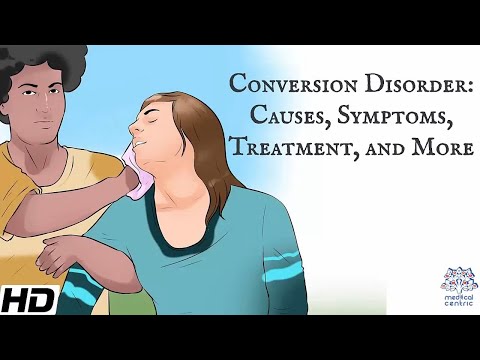
You know, sometimes your brain just does weird things. Like, really weird. I mean, have you ever heard of conversion hysteria? It’s one of those topics that sounds kinda out there but is totally fascinating.
Imagine this: someone’s feeling super stressed or anxious and bam! Their body starts acting up. They might lose their ability to walk or see, even though there’s nothing physically wrong with them. Sounds wild, right?
The thing is, it’s all about the mind and how it copes with emotions. This isn’t just about drama or attention-seeking; it’s a real struggle that messes with people’s lives in deep ways.
So let’s dig into what’s going on in the mind when conversion hysteria happens. You might find some surprising connections to everyday life and how we deal—or don’t deal—with our feelings. It’s gonna be an eye-opener for sure!
Understanding the Psychology Behind Conversion Disorder: Causes, Symptoms, and Treatment
Conversion disorder, often tied to issues like trauma or stress, is when you experience physical symptoms that can’t be explained by medical conditions. Basically, your mind and body are a bit out of sync. Instead of just feeling overwhelmed emotionally, your brain might express that in the form of something physical. Pretty wild, huh?
Causes: The thing with conversion disorder is it usually starts with emotional turmoil. This could be anything from past trauma—like an accident or abuse—to ongoing stress from work or relationships. Your brain sometimes uses these symptoms as a way to cope or escape the emotional pain. It’s kind of like when you’re so stressed about a big exam that you suddenly feel sick and can’t go to class.
Symptoms: People with conversion disorder can have a mix of strange symptoms that feel all too real. Some common ones include:
- Movement Issues: This could mean trouble walking, tremors, or weakness in limbs.
- Sensory Problems: You might experience numbness or even blindness.
- Seizures: These aren’t actual epileptic seizures but can look similar.
Imagine someone who has suddenly lost their ability to walk after witnessing a traumatic event. They might not fit into any medical diagnosis but still struggle daily with this very real limitation.
Treatment: So how do you tackle something that feels physical but has psychological roots? Well, treatment often involves therapy aimed at addressing both the emotional and physical aspects.
- Cognitive Behavioral Therapy (CBT): This helps change negative thought patterns and behaviors linked to stress.
- Physical Therapy: Even if symptoms don’t have clear physical origins, working on mobility can help regain function.
- Meditation and Mindfulness: These practices teach you how to manage stress and improve overall mental well-being.
Using a combination of therapies gives people tools to manage their symptoms while also digging into the emotional triggers behind them.
In essence, conversion disorder is your body’s way of reacting to psychological stress. It’s all interconnected—your mind communicating through your body. And while it can be confusing and frustrating for both the person experiencing it and those around them, understanding this connection is key in finding effective treatment paths.
Understanding Conversion Disorder: Exploring the Reality Behind Psychological Symptoms
Conversion disorder, also known as functional neurological symptom disorder, can be a bit mind-boggling. So let’s break it down together. Basically, it’s when someone experiences physical symptoms that can’t be explained by medical conditions. These symptoms are real and can seriously impact daily life. They can show up as anything from paralysis to seizures, or even just not being able to speak.
The thing is, these symptoms don’t arise from traditional causes like an injury or disease. Instead, they often have **psychological roots**. Like, imagine you’ve been under a ton of stress—maybe it’s work pressure or family issues—and suddenly your hand goes numb. It’s not that there’s something wrong with your hand physically; it’s more about your brain expressing what’s happening emotionally.
You might wonder how this happens. Well, our brains are super complex and sometimes they react in ways we don’t quite understand. For example, let’s say you have a job interview coming up and you’re feeling intense anxiety about it. Your brain could react with physical symptoms like a headache or fainting—basically saying “Hey, I can’t handle this!”
Understanding the psychology behind conversion disorder is key here. Symptoms may arise when you’re faced with overwhelming emotions or situations that you can’t seem to process directly.
- Stress and Trauma: Often rooted in past trauma or ongoing stress.
- Conflict: Internal conflict over emotions—like guilt or loss—can manifest physically.
- Personal History: People who have experienced other mental health disorders might be more susceptible.
Let me tell you about Sarah—a friend of mine who faced this head-on. She was going through a tough time after losing her job and dealing with a breakup all at once. One day out of nowhere, she couldn’t walk properly; her legs just wouldn’t cooperate! Doctors found nothing wrong physically but after some therapy sessions, they discovered she was carrying so much emotional weight that her body had decided to shut down.
Treatment for conversion disorder typically involves therapy focused on addressing those underlying emotional issues. Cognitive Behavioral Therapy (CBT) can be particularly helpful since it teaches new ways to deal with stress and feelings.
For many folks dealing with conversion disorder, the reality behind these psychological symptoms is both frustrating and confusing. The lack of physical evidence makes it tricky for them—and their loved ones—to understand what’s going on.
So if you know someone who might be experiencing this disorder—or maybe you’re dealing with it yourself—just remember: it’s not “all in their head” but rather a signal from the brain that something needs attention emotionally! It seriously highlights how intertwined our mental and physical health really are.
In short, look at conversion disorder as your body’s way of saying “Yo! We need to deal with some stuff!» It’s real and valid, even if it’s hard for others to see what you’re going through on the outside.
Understanding Conversion Disorder: Key Characteristics and Insights into Hysteria
Conversion Disorder—also known as Functional Neurological Disorder—is like the mind and body deciding to take a break from reality. It’s fascinating but can be super confusing. So, what’s really going on here?
Imagine someone who suddenly can’t move their legs, even though there’s no injury. They might feel pain or weakness without any clear medical reason. This is a key characteristic of conversion disorder: physical symptoms that arise without an identifiable cause, you know?
Psychological Roots are crucial to understanding this condition. It often occurs when a person has unresolved emotional conflicts or stressors. For instance, let’s say you’ve been juggling a tough work situation and family issues—it could lead to an outburst of physical symptoms as your mind tries to cope.
There are some distinctive features about conversion disorder:
- Sudden Onset: Symptoms often appear suddenly after stressful events.
- Unconscious Process: People aren’t faking it; they genuinely cannot control these symptoms.
- Varied Symptoms: They can range from paralysis to seizures to unusual walking patterns.
- No Clear Medical Explanation: Tests usually come back normal, which makes it tricky!
Let’s break these down. The sudden shift—like one day you’re fine and the next, you can’t stand—can feel alarming. And because the brain is involved in all this, it plays out in ways that aren’t always conscious for the person experiencing it.
Then there’s that unconscious bit. Someone with conversion disorder isn’t just pretending or looking for attention; it’s more complicated than that. When their emotional pressures become too much, their body reacts in ways they can’t control.
Also interesting is how diverse symptoms can be. Some folks might report weak limbs while others have convulsions or lose their ability to talk for a bit—it all varies wildly.
Now onto treatment; it usually combines therapies focusing on both emotional health and physical rehab. Talking therapies like cognitive behavioral therapy help in addressing those underlying psychological issues.
To really get what conversion disorder feels like, think back to when something was weighing heavily on your mind—maybe it was a breakup or losing a job. It feels like your head’s fighting with your body sometimes!
So basically, conversion disorder shines a light on how intertwined our mental state and physical health really are, emphasizing the need for compassion and understanding when someone experiences these distressing symptoms. Remembering this helps not just those with the condition but everyone around them too!
You know, it’s pretty wild how our minds can play tricks on us sometimes. Take conversion hysteria, for example. It’s this phenomenon where someone experiences physical symptoms that seem to have no medical basis but are rooted in psychological distress. Imagine waking up one day and not being able to walk, but when doctors check you out, they find nothing physically wrong. It’s like your mind takes over and says, “Nope, we’re not doing this today.”
I remember a friend who had a really tough time at work. She was feeling overwhelmed and anxious about everything—a heavy project deadline, family expectations…you name it. One day, she just couldn’t move her arm properly. She thought it was something serious; turns out it was her body’s way of saying «enough!» It’s completely bonkers how stress and anxiety can manifest physically like that.
Basically, conversion hysteria is tied to deep-seated emotional conflicts or traumas. Sometimes people don’t even realize they’re dealing with these intense feelings—it’s all bottled up inside until their bodies just can’t take it anymore. The symptoms can vary greatly too; some might experience paralysis or seizures while others could have vision issues.
What’s interesting is that there’s often a catalyst—like a stressful event or loss—that triggers these symptoms. You follow me? It’s as if the mind conjures up physical responses to express feelings that are too complex or painful to verbalize. It makes you think about how intertwined our mental health is with our bodies.
But here’s the thing: addressing these issues often requires a mix of therapy and maybe some gentle encouragement to help people reconnect with those buried emotions. Just talking it out can be such a game-changer because it helps uncover what might really be going on underneath all those symptoms.
It’s kind of heartbreaking in a way, don’t you think? Watching someone go through this struggle when there’s so much that could help if they just feel safe enough to explore their feelings. Conversion hysteria reminds us that what we see on the surface isn’t always the whole story—there’s often so much more lurking within our minds and hearts.