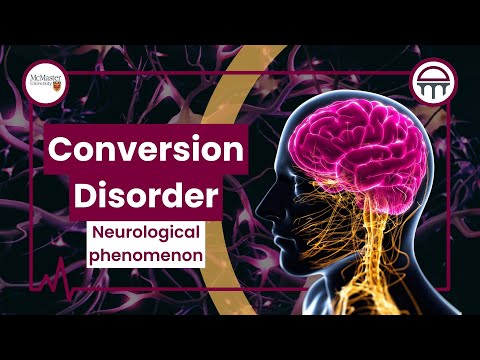
You know how sometimes your body just decides to act up, and you’re left wondering what the heck is going on? Like, one minute you’re fine, and the next, you can’t move your arm or feel your leg? It’s super confusing, right?
Well, that’s basically what conversion reaction disorder is all about. It’s a mind-body thing that’s way more common than people think.
Imagine feeling intense stress or emotions but instead of showing it like usual—through feelings—your body just kind of takes over. It’s like your brain says, “Okay, we’re shutting down one part because things are too much.” Sounds wild? It is!
Let’s chat about this condition and see if we can clear up some of the fog around it. You with me?
Understanding Conversion Disorder: A Patient-Friendly Guide to Explaining Symptoms and Treatment
Hey there! So, let’s talk about conversion disorder, which you might hear called conversion reaction too. It can sound pretty intense, but it’s all about how our brains and bodies are connected in ways we might not always realize.
What is Conversion Disorder?
Basically, conversion disorder is when a person experiences physical symptoms that can’t be explained by medical conditions. It’s like your brain sends your body a message that causes real symptoms—like weakness or seizures—without any clear physical cause. Imagine you’re really stressed out or going through something tough, and suddenly you can’t move your arm, even though nothing’s wrong with it physically. That’s conversion disorder at play.
Symptoms to Look For
Here are some common signs you might notice:
- Weakness or paralysis: You could lose the use of one limb or feel really weak.
- Abnormal movements: Think of tremors or jerking that seems out of control.
- Sensory problems: Like numbness or not being able to feel touch in certain areas.
- Seizures: But these aren’t the typical seizures; they don’t show up on tests like EEGs.
So, here’s a little story for you: I once knew someone who was under a ton of pressure at work. Out of nowhere, they suddenly couldn’t walk right—seriously! No doctor found anything wrong with their legs physically. After some time and digging into their feelings, it turned out the stress was manifesting physically.
The Causes
The real kicker is that the exact cause of conversion disorder isn’t fully understood yet. It often comes after stressful events or trauma. The mind can be tricky—sometimes it tries to protect us from overwhelming feelings by turning them into physical symptoms. Think of it as your brain’s way of coping.
Treatment Options
Now, if you or someone else finds themselves dealing with this condition, there are ways to approach treatment:
- Therapy: This is usually the big gun when it comes to treatment! Talking therapies like cognitive behavioral therapy (CBT) can help people understand and manage their feelings better.
- Physical therapy: Working with a physical therapist can help regain movement and strength.
- Mental health support: Sometimes just talking about what you’re going through in a safe space can work wonders.
Getting diagnosed usually involves lots of tests just to rule out other possible causes for those symptoms. This process can be frustrating but helps pinpoint what you’re really dealing with.
A Reminder
It’s important to remember that what feels very real physically isn’t something people are faking. It’s genuine distress manifesting in physical ways. If you find yourself in this situation or know someone who is struggling with these symptoms, support is so essential.
So that’s conversion disorder in a nutshell! It’s complex but absolutely manageable with the right support and understanding from friends, family, and healthcare professionals alike. Take care!
Understanding Conversion Disorder: Alternate Names and Key Insights
Let’s talk about Conversion Disorder, which you might also hear called Functional Neurological Disorder (FND). So, what’s the deal with this condition? Well, it’s all about how your brain and body can sometimes get mixed signals. You see, the symptoms are real, but there’s no clear physical cause. They’re like a way for your mind to express emotional stress or distress. Kind of wild, huh?
This disorder can show up in a bunch of different ways. Some people experience loss of movement, while others have strange sensations. It could be like tingling, numbness, or even weakness in an arm or leg. Imagine waking up one day and realizing you can’t move one side of your body—even though there’s nothing physically wrong with it. That’s what someone with Conversion Disorder might face.
Here are some key points to keep in mind:
- No obvious medical cause: Doctors usually can’t find anything wrong through standard tests.
- Real symptoms: The symptoms are very real and can be really distressing for those experiencing them.
- Emotional triggers: Often, these symptoms arise after a stressful event or trauma.
- Treatment options: Therapy—like cognitive-behavioral therapy (CBT)—can help people manage their symptoms and uncover any underlying issues.
You might wonder how this actually works in real life. Let me share a quick story—there was this guy named Jake who suddenly developed severe weakness in his legs after he lost his job. No physical injury or illness could explain it! His physical therapist was stumped at first because everything came back normal on exams. But through therapy sessions, Jake uncovered that he felt completely overwhelmed by stress and fear about his future.
This kind of revelation is typical in cases of Conversion Disorder. The brain finds a way to communicate feelings when they’re too tough to process directly. It’s like saying: “Hey! Pay attention to me!” But instead of words, it manifests as physical symptoms.
If you or someone you know deals with these kinds of experiences, understanding Conversion Disorder is super important. It reminds us that mental health isn’t just about feelings—it can also seriously affect our bodies!
The path to healing may not always be straightforward, but support from friends, family, and professionals makes a big difference. So if you notice signs of this disorder—like sudden changes in movement or sensation—please reach out for help!
Effective Approaches to Treating Conversion Disorder: A Comprehensive Guide
When we talk about conversion disorder, we’re diving into a pretty complex area of mental health. Basically, it’s when psychological stress turns into physical symptoms, like paralysis or tremors, without a clear medical cause. It can be super confusing for both the person experiencing it and the doctors trying to help. So, let’s unpack some effective approaches to treating this condition.
First things first: therapy plays a huge role. Cognitive Behavioral Therapy (CBT) is often one of the main go-tos. With CBT, you work with someone who helps you identify negative thought patterns and learn healthier coping mechanisms. For instance, if your mind is saying that you can’t function due to your symptoms, CBT might help challenge that belief and empower you to take small steps towards feeling better.
You might also come across Physical Therapy. It’s not just for sports injuries or rehab; in the case of conversion disorder, it’s about getting your body moving again in a safe way. Imagine you’re struggling with an arm that doesn’t move as it should because of stress—working with a physical therapist can help you slowly regain function and confidence.
Then there’s Mindfulness and Stress Management Techniques. These are all about tuning into your body and calming your mind. Practices like meditation or yoga can reduce anxiety levels and improve overall well-being. Just think about how many times anxiety has made something simple feel impossible! So learning to manage that stress? Big deal.
Another exciting approach is Group Therapy. Sometimes sharing experiences with others who get what you’re going through makes all the difference. You realize you’re not alone in this rollercoaster ride of emotions and symptoms. Group sessions can provide support and new insights from people who have been there.
And let’s not overlook Medication. While it won’t directly treat conversion disorder itself, folks sometimes benefit from antidepressants or anti-anxiety meds to help ease coexisting conditions like depression or anxiety disorders that may be contributing factors.
Lastly, involving family members in therapy can really help too. It helps create an understanding environment at home where loved ones know what you’re dealing with on a day-to-day basis. It can make navigating this tough road feel less isolating.
So basically, treating conversion disorder isn’t just about managing symptoms; it’s about embracing a *whole-person* approach—mental health matters just as much as physical health! Each person’s journey is unique; finding what works best takes time and patience but trust me, it’s worth it in the end!
You know, when we talk about mental health, some issues can seem a bit like they’re pulled from a mystery novel. Take Conversion Reaction Disorder, for instance. It’s one of those conditions that brings together the mind and body in ways that can be really confusing, not just for the person experiencing it but also for friends and family.
So here’s the deal: Conversion Reaction Disorder often involves physical symptoms that come up without any clear medical explanation. This could be anything from paralysis to blindness or even seizures. But these symptoms aren’t just random; they’re like your brain’s way of dealing with emotional pain or stress. It’s almost as if your mind is saying, “I can’t handle this right now,” and so it translates that pressure into something physical.
I remember a friend who went through this—she suddenly developed severe numbness in her arm after a family tragedy. There was no injury; doctors couldn’t find anything wrong. At first, it seemed bizarre and honestly frustrating for her. Eventually, she started talking about her feelings more openly in therapy, and with time, it became clear how those emotions were manifesting physically.
It’s easy to get lost in the science of it all—the disassociation of mind and body—but what really matters is understanding how deeply intertwined our emotional states are with our physical health. The tricky part? Sometimes people around us don’t quite get what’s happening; they might think we’re just being dramatic or making excuses.
What I find compelling is how important compassion and support are in these situations. If someone you care about is experiencing something like this, empathy goes a long way—listening can help them feel less isolated in their experience. It’s crucial to validate their feelings instead of brushing them off as “all in your head.”
So basically, while Conversion Reaction Disorder might sound complex on the surface, at its core it’s all about recognizing the profound connection between our emotional lives and our bodies. And if we can build understanding around that connection, we can create spaces where people feel safe to share their struggles without fear or shame.