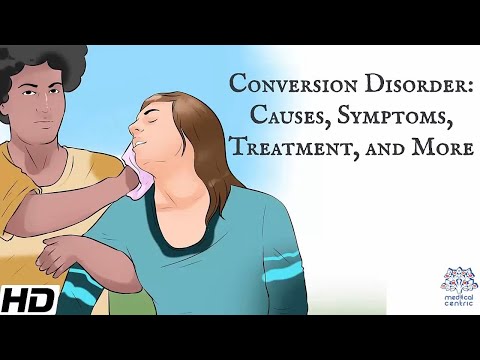
You know how sometimes your body just decides to freak out? Like, you’re feeling all sorts of emotions, and then your muscles start twitching or you can’t move right? Yeah, that’s what we call conversion stress disorder.
It’s a thing that happens when stress doesn’t feel like just feelings anymore. Instead, it shows up in physical ways. It can be confusing and super frustrating, trust me. I’ve seen friends go through it.
Imagine waking up one day feeling like you’re in a totally different body. Sounds wild, huh? But that’s part of the struggle many face with this condition.
So let’s chat about it—what it really is, why it happens, and how to cope when life feels like a hot mess of stress and symptoms.
Effective Strategies for Recovering from Conversion Disorder: A Comprehensive Guide
So, let’s chat about conversion disorder. It can feel really intense, you know? You might experience physical symptoms like weakness or paralysis that don’t have a clear medical cause. What’s tricky is that these symptoms are often triggered by stress or emotional conflict. Dealing with this situation isn’t easy, but there are effective strategies for recovery that can make a difference.
First off, therapy is key. That might sound obvious, but the type of therapy matters. Cognitive Behavioral Therapy (CBT) is often used because it helps you identify and change negative thought patterns. It can be super helpful in learning how to cope with the stressors that may be causing your symptoms.
Another good approach? Mindfulness and relaxation techniques. These practices can help you reduce anxiety and stress levels which contribute to your symptoms. For example, mindfulness involves focusing on the present moment without judgment. You could try deep breathing exercises or guided meditations to ground yourself when things get overwhelming.
- Physical rehabilitation can also play a role in recovery. If your body is affected, working with a physical therapist helps regain strength and function.
- Engaging in support groups is beneficial too. Sharing experiences with others who understand what you’re going through can be comforting and validating.
- Keeps things simple! Daily routines can be grounding. Having structure helps reduce uncertainty which might trigger stress reactions.
You know what’s really important? Understanding triggers! Recognizing what causes your symptoms to flare up gives you power over them. Sometimes it’s easier said than done; maybe you feel anxious before a big event or when facing unresolved emotions from the past.
Don’t underestimate self-care. Make space for activities that bring you joy—be it painting, hiking, or even just watching your favorite shows on Netflix! These moments help create balance in your life.
If medication comes into play during treatment—like antidepressants or anti-anxiety meds—make sure you’re clear about potential benefits and side effects with your doctor. The goal here is to support therapy and not replace it!
The journey through conversion disorder isn’t linear; it has its ups and downs. Try to remain patient and gentle with yourself along the way. Celebrate little victories! Over time, committing to these strategies can lead you toward feeling more like yourself again—and isn’t that what we all want? Remember: recovery takes time and effort, but it’s totally possible!
Understanding Conversion Disorder: Its New Name and Current Insights
So, let’s talk about **Conversion Disorder**, which has recently been referred to as **Functional Neurological Disorder (FND)**. It’s a bit of a mouthful, right? But don’t worry; I’ll break it down for you in a simple way. The thing is, this disorder can be really puzzling and even frustrating for those who experience it.
You might wonder how it works. Well, Conversion Disorder is when someone has neurological symptoms—like weakness, paralysis, or movement disorders—that don’t have an obvious medical explanation. It’s like your brain is sending out mixed signals to your body, causing real physical problems without any underlying physical cause. Crazy, huh?
Let me give you an example to make sense of this. Imagine you’re walking down the street and suddenly you can’t move your legs, but there’s nothing physically wrong with them. You see? This can be linked to stress or trauma that somehow gets trapped in your nervous system.
Many people dealing with FND experience symptoms like:
- Seizures: But these aren’t the typical epileptic kinds; they’re sometimes called non-epileptic seizures.
- Motor Issues: Things like tremors or having trouble walking.
- Sensory Changes: For instance, numbness or tingling in different parts of the body.
Coping with this type of disorder isn’t just about treating the symptoms; it’s about addressing what might be causing them. Some folks find that therapy can help a lot. Therapies like Cognitive Behavioral Therapy (CBT) can help rewire those tricky thought patterns that lead to these symptoms.
Let’s not forget about stress management techniques too! Mindfulness and relaxation exercises are super helpful. You know how stress sometimes feels like a heavy backpack? Finding ways to lighten that load can really aid recovery.
But here’s the tricky part: FND is often misunderstood by healthcare professionals and loved ones alike because people can’t see what’s going on inside your head and body. This misunderstanding can lead to frustration and feelings of isolation.
It’s essential for anyone experiencing these symptoms to get support—not just from therapists but also from friends and family who understand what they’re going through. If someone close to you has Conversion Disorder (or FND), being patient and open-minded goes a long way.
In recent years, there’s been more awareness about Functional Neurological Disorder. Research is ongoing into its causes and how best to support people living with it. One important takeaway? It’s not «all in your head.» The feelings are real; they just manifest differently than traditional physical health issues.
So if you or someone you know is grappling with this disorder, remember: You’re not alone. There are resources and communities out there ready to offer help and understanding on this often-misunderstood journey toward healing.
Effective Therapies for Managing Conversion Disorder: A Comprehensive Guide
Conversion disorder, also known as functional neurological symptom disorder, can be pretty confusing and frustrating. Basically, it’s when you experience physical symptoms—like weakness or seizures—that can’t be explained by a medical condition. These symptoms are real, but they’re often linked to stress or trauma. So, managing this disorder usually involves a combination of therapies tailored to help you cope with both the physical and emotional aspects.
One effective approach is Cognitive Behavioral Therapy (CBT). This therapy helps you change negative thought patterns. If you’re thinking things like “I’m broken” or “I’ll never get better,” CBT encourages you to challenge those thoughts and replace them with more positive ones. A friend of mine had severe anxiety that manifested as trembling hands during presentations. Through CBT, he learned to tackle those anxious thoughts straight on, which reduced his symptoms significantly.
Another great method is Physical Therapy. A therapist can help you regain strength and movement in affected areas through specific exercises designed just for you. This isn’t just about lifting weights; it’s also about building trust in your body again. For example, someone recovering from a conversion disorder-related limp might start with gentle stretches before moving on to more complex movements.
Mindfulness and Relaxation Techniques can work wonders too. These include deep breathing exercises, mindfulness meditation, and yoga. By focusing on the present moment and calming your mind, you reduce stress levels which may contribute to your symptoms. I remember attending a mindfulness class once where we were taught how to “just breathe.” It sounds simple but it really helped many of us feel grounded amidst chaos.
Then there’s Psychodynamic Therapy, which digs deeper into unresolved issues or past traumas that could contribute to your current state. This type involves talking through feelings rather than just focusing on changing behaviors or thoughts. It’s like peeling back layers of an onion until reaching that core emotional issue that’s been buried for too long.
Support groups also play a big role in managing conversion disorder. Talking with others who understand your struggle can be incredibly validating—you’re not alone in this! Sharing experiences and coping strategies provides not just comfort but also practical tips that worked for someone else.
In some cases, Medication may be prescribed if there’s underlying anxiety or depression impacting your symptoms. While medication doesn’t directly treat conversion disorder itself, it can alleviate some related issues so other therapies become more effective.
Ultimately, the best approach is often a combination of these therapies tailored specifically for what you’re going through. It’s crucial to have open communication with healthcare providers about what feels right for you—whether that’s trying new techniques or sticking with tried-and-true methods that work.
In summary: managing conversion disorder takes time and patience—but with the right tools in your kit, progress is possible! You’ve got this!
You know, dealing with Conversion Stress Disorder (CSD) can feel like navigating a foggy maze. You think you’re on the right path, but then—bam—something hits you out of nowhere. It’s like your body is trying to send you a message that your mind is too overwhelmed to process. And that can be really tough.
So, here’s the thing: CSD happens when stress gets bottled up inside and leaks out through physical symptoms. You might find yourself losing the ability to move an arm or leg, or maybe feeling this weird numbness. It feels very real because it is real; those sensations are not just in your head. I once listened to a friend share how she suddenly couldn’t walk for days after a breakup. It wasn’t because she had an injury but all that emotional turmoil had her body screaming for attention.
Coping with CSD needs a combination of strategies. First off, talking it out—not just about what’s happening physically but what’s going on emotionally—is super important. Therapy can help you untangle those feelings, which is easier said than done sometimes, but totally worth it in the long run.
Mindfulness exercises can also be a game changer. Seriously! Taking time each day to breathe and focus on being present in your body might feel awkward at first, but it’s like giving your mind and body a little hug amidst all the chaos.
Finding supportive people in your life who get this struggle can make all the difference too. When my friend started joining support groups online, she felt less alone—like finally finding others who understood her experiences without judgment.
The path isn’t always smooth and there will be ups and downs for sure, but with some patience and tools in your toolbox, managing CSD becomes much more manageable. And hey, remember: you’re not defined by what you’re going through; it’s just one part of you navigating life’s twists and turns!