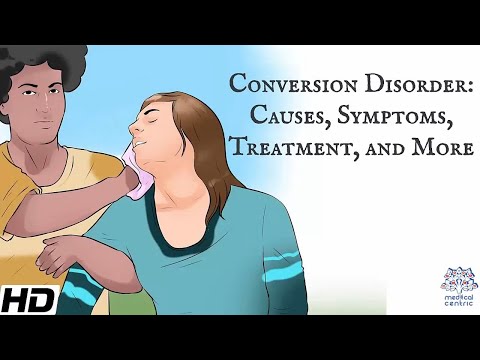
You ever heard of conversion syndrome? Yeah, it sounds super fancy, but it’s really about how our brains can sometimes mess with our bodies. It’s wild, right?
Picture this: You’re stressed out of your mind, and suddenly your leg just decides to stop working. Like, what gives? That’s basically what conversion syndrome looks like. It’s not all in your head, though—it’s very real stuff.
A lot of folks don’t even realize they have it. They think something’s seriously wrong with them physically. But the truth is, it’s all tangled up with emotions and mental health.
So let’s break it down. I’ll walk you through what this means and how it connects to our mental well-being. Sound good?
Understanding Conversion Disorder: Symptoms, Causes, and Treatment Options in Mental Health
Conversion Disorder, also known as Conversion Syndrome, can be pretty perplexing. The thing is, it involves experiencing physical symptoms that are real but don’t have a clear medical explanation. It’s like your brain is trying to express emotional distress in a physical way, you know?
Symptoms can vary widely from person to person. Some folks might have weakness or paralysis in a limb, while others could experience strange movements or even seizures that aren’t tied to neurological disorders. Sometimes, people feel like they’re losing their ability to speak or have issues with vision. It’s all about the body acting out in response to stress or trauma but without an obvious injury or illness backing it up.
Now, there’s no single cause for Conversion Disorder. Often, it stems from past experiences—think of stressful events or emotional conflicts that might haunt you. For instance, someone could have gone through a traumatic experience and then suddenly find themselves unable to walk for no physical reason at all. That’s the brain’s way of coping with what it can’t process.
Treatment can be just as complex as the disorder itself! Generally speaking, psychotherapy is one of the main approaches used. Therapy helps you explore and understand the emotional issues behind those physical symptoms. Cognitive Behavioral Therapy (CBT) can be particularly effective because it focuses on changing negative thought patterns and behaviors.
In addition, there might be benefits from physical therapy. This isn’t just about strengthening muscles; it’s about re-learning how to use your body without those pesky symptoms holding you back. With supportive therapy and self-care practices, many people find relief over time.
So if someone close to you shows these signs—just remember how tricky this condition can be! It’s not about faking those symptoms; they’re very real for the person experiencing them. Compassion and understanding go a long way.
In summary:
- Symptoms: Physical issues like weakness, movement problems, seizures.
- Causes: Emotional stressors or trauma manifesting physically.
- Treatment: Psychotherapy (especially CBT), physical therapy.
Just keep in mind that everyone’s journey with Conversion Disorder is different. There’s hope and help available—you just gotta take that first step toward healing!
Understanding Conversion Disorder: A Comprehensive Guide to Explaining It to Patients
Conversion Disorder, also known as Conversion Syndrome, can be a pretty puzzling condition. Basically, it’s when a person experiences physical symptoms that seem real but don’t have a clear medical cause. You know how sometimes stress can make your stomach hurt or give you headaches? Well, Conversion Disorder takes that to another level, with symptoms that can include anything from paralysis to speech problems.
When someone has this disorder, it often stems from psychological stress or trauma. Imagine going through something really tough—like losing a loved one or dealing with an intense situation—but instead of expressing those feelings, your brain kind of shuts down and manifests them into physical symptoms. It’s like your mind saying “Hey, I can’t deal with this right now,” and the body jumps in to help by showing those feelings physically.
Symptoms can vary widely. Some common ones are:
- Weakness or paralysis
- Tremors or abnormal limb movements
- Difficulty walking
- Loss of sensation (think numbness)
- Seizures that don’t have a neurological basis
- Visual problems (like blurry vision)
- Speech issues (like slurred speech)
It’s crucial to understand that the person isn’t faking it or trying to get attention. Their symptoms feel very real to them and can cause serious distress. This is frustrating for everyone involved—especially since it often confuses doctors and healthcare professionals.
Diagnosis isn’t straightforward either. Doctors usually rule out other conditions first, which can take time and tests—lots of tests. After all the medical stuff is cleared up, they’ll look for the psychological factors at play.
Treatment often involves psychotherapy. This could be cognitive behavioral therapy (CBT), which focuses on changing negative thought patterns, or even physical therapy if someone needs help regaining movement. The goal is always about addressing both the emotional and physical aspects of what’s going on.
Imagine someone named Sarah who suddenly couldn’t use her legs after experiencing a traumatic event. She had no history of leg issues; she just felt so overwhelmed by emotions that her mind translated them into paralysis. Through therapy, she learned how to cope with her feelings instead of bottling them up. Slowly but surely, she started regaining movement in her legs as she worked through her trauma.
It’s important for friends and family to be supportive too! They need to understand it’s not just “in their head.” Listening without judgment helps create a safe space where the person feels comfortable opening up about their feelings.
In short, Conversion Disorder is complex and deeply intertwined with emotional health—it reflects how our minds and bodies communicate in times of stress! So next time you hear about it—or if you face it yourself—know there’s hope for healing through understanding and support.
Understanding Conversion in Psychology: A Comprehensive Example and Analysis
So, let’s talk about conversion syndrome. It’s a pretty fascinating topic in psychology that relates to how our minds and bodies can be connected in ways that are sometimes surprising. Basically, conversion syndrome involves a person experiencing physical symptoms that don’t seem to have any medical cause. Instead, these symptoms are thought to stem from emotional or psychological factors.
You might have heard of it as «conversion disorder.» It was once called hysterical neurosis, which is a pretty intense name! The thing is, this isn’t just about someone faking it or trying to get attention. There’s often a deep emotional struggle going on underneath.
What does it look like? Imagine, for instance, someone who goes through an incredibly stressful event—like losing a loved one. They might suddenly find themselves unable to move their arm or leg for no apparent reason. Doctors run tests and can’t find anything physically wrong. This is where conversion comes into play; the body might be expressing the mind’s distress.
- Physical symptoms: Common complaints include paralysis, tremors, loss of sensation, or even seizures. These can vary widely from person to person.
- Emotional connection: Often there’s a trigger—a traumatic event or ongoing stress—that gives rise to these physical issues.
- Treatment approaches: Therapy tends to focus on addressing the underlying psychological issues rather than just treating the symptoms themselves.
A classic example is a woman named Mary who lost her husband unexpectedly in an accident. After his death, she started experiencing severe pain in her legs that left her unable to walk. Medical tests showed nothing was wrong physically; instead, when Mary began therapy, it became clear she hadn’t processed her grief at all. Working through those emotions helped her regain mobility over time.
This kind of connection between emotional trauma and physical manifestation isn’t super uncommon but can seriously impact someone’s life quality if not addressed properly. Sometimes people feel ashamed or guilty about their symptoms because they think it’s «all in their head.» But remember: just because it’s rooted in psychological factors doesn’t mean it’s any less real!
The brain-body connection shows us how intertwined our mental state is with our physical health. You know how sometimes you feel nauseous before giving a presentation? That’s your mind affecting your body! Conversion syndrome takes this idea further by showing how unresolved issues can produce significant physical challenges.
If you’re wondering about diagnosis and treatment options: healthcare providers typically look at both physical and psychological evaluations when considering conversion syndrome. They may involve neurologists and psychologists together for this holistic approach.
The point is—it’s important not to dismiss conversion syndrome as trivial because the impact on someone’s life can be profound. Healing involves both acknowledging the reality of those physical experiences while also exploring the emotional landscape behind them.
If you ever find yourself or someone you know struggling with similar symptoms without any medical explanation at hand, consider seeking support from mental health professionals who understand this complex interplay of mind and body!
So, let’s take a moment to chat about conversion syndrome. It’s one of those things that can really throw you for a loop. Basically, it’s when someone has physical symptoms—like paralysis or seizures—that don’t seem to have a clear medical cause. Instead, they often stem from emotional or psychological stress. Crazy, right?
Imagine you’re dealing with a tough breakup or maybe the loss of someone close to you. Your mind is racing with all these emotions, and your body starts reacting in ways that feel completely out of the blue. It’s not like you’re faking it; you truly feel these symptoms. That disconnect between what’s happening in your head and what your body is doing can be so confusing.
I once knew this person who was under so much pressure at work—seriously, they were juggling deadlines and family issues at the same time. One day, out of nowhere, their hand went numb while they were typing an email! They freaked out and thought it was something serious. But after a few tests and chats with doctors, they found out it was linked to all that stress they were carrying around.
The thing with conversion syndrome is that it often gets misunderstood or overlooked by people who haven’t experienced it firsthand. Some might think it’s all in your head—that you’re just trying to get attention or being dramatic. But the truth? Those symptoms are real! It’s like your brain has this way of processing trauma or overwhelming feelings by manifesting them physically.
And here’s where mental health care comes into play: treatment usually involves therapy to help address those underlying emotions and traumas rather than just focusing on the physical symptoms themselves. You might work through stuff like anxiety or unresolved grief while also learning ways to cope without letting it turn into something physical.
It can be a journey for anyone dealing with this syndrome—both for them and for their friends or family trying to understand what’s going on. So if you ever come across someone experiencing conversion symptoms, remember that it’s not about choosing a dramatic way to express hardship; it’s more about how stress can show up in unexpected forms.
So yeah, understanding conversion syndrome means recognizing how intertwined our minds and bodies really are—and figuring out how we can support ourselves and others through some pretty heavy stuff!